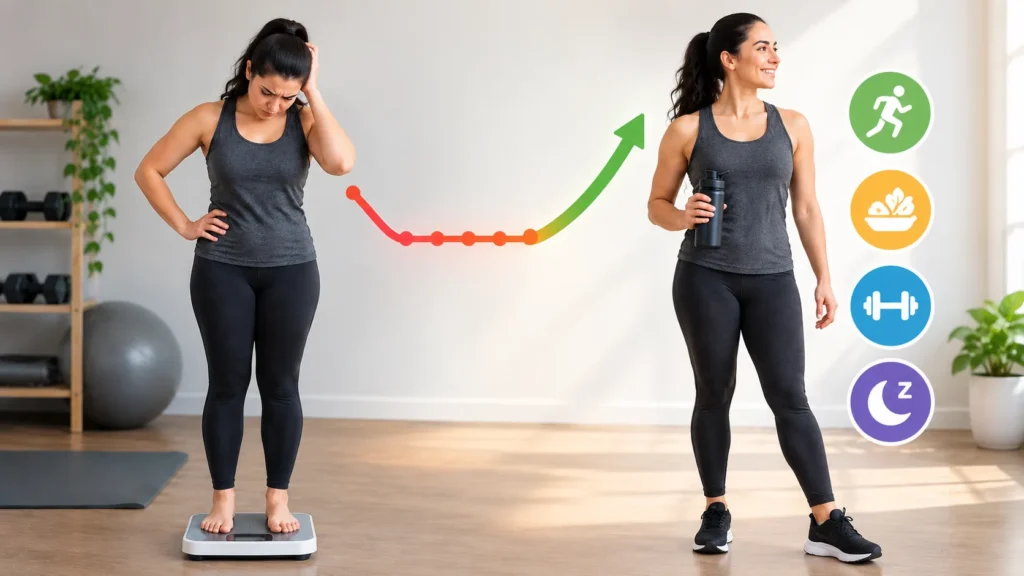
Losing Belly Fat in Oman has become one of the most searched fitness goals among individuals looking to improve health, confidence, energy levels, and physical performance. Many people struggle with stubborn abdominal fat due to sedentary lifestyles, poor nutrition habits, stress, inconsistent exercise routines, and lack of structured training. At 5d fitness, evidence-based coaching programs combine nutrition guidance, resistance training, and belly fat workout strategies designed to help individuals in Oman achieve sustainable fat loss results safely and effectively. Whether someone is a beginner or an experienced athlete, understanding how to lose belly fat through proper exercise and lifestyle management is essential for long-term success.
According to the American College of Sports Medicine:
The World Health Organization also states:
“Regular physical activity helps prevent and manage noncommunicable diseases.”
This comprehensive guide explores the major causes of belly fat, the most effective belly fat workout strategies, nutrition principles, recovery methods, and science-based techniques that help individuals lose belly fat in Oman safely and sustainably.
What Causes Belly Fat and Why Is It Hard to Lose Belly Fat in Oman?
Belly fat accumulation develops gradually through a combination of lifestyle habits, stress, poor dietary choices, hormonal imbalances, reduced physical activity, and inadequate recovery. Many people trying to lose belly fat in Oman struggle because abdominal fat is influenced by multiple factors simultaneously rather than one single issue.
Modern work environments often involve prolonged sitting, low daily movement, inconsistent meal schedules, and elevated stress levels. Combined with processed food consumption and insufficient exercise, these factors contribute to stubborn fat storage around the waistline.
Research from the Harvard Medical School explains that visceral fat surrounding internal organs is strongly associated with metabolic disease and cardiovascular risk. This makes long-term lifestyle intervention essential for sustainable belly fat reduction in Oman.
Why Does Stress Make It Harder to Lose Belly Fat in Oman?
Stress is one of the most underestimated barriers to fat loss. When stress levels remain elevated for prolonged periods, cortisol production increases significantly. High cortisol levels are associated with greater abdominal fat storage and increased cravings for unhealthy foods.
Individuals working long hours often experience mental fatigue, reduced motivation, emotional eating patterns, and disrupted sleep quality. Over time, this combination negatively affects metabolic health and makes it harder to lose belly fat in Oman.
Exercise plays an important role in stress management because physical activity helps regulate hormones while improving mood and energy levels. Resistance training, walking, mobility work, and structured belly fat workout routines can significantly improve stress resilience.
Recovery habits are equally important. Sleep quality, hydration, breathing exercises, and relaxation techniques all contribute to better hormonal balance and improved fat-loss outcomes. Sustainable progress occurs when stress management becomes part of a complete lifestyle strategy rather than focusing only on calorie reduction.
How Does Poor Nutrition Increase Belly Fat Accumulation?

Poor nutrition remains one of the biggest contributors to belly fat accumulation. Excessive calorie intake, sugary beverages, processed foods, and low protein consumption create an environment where fat storage increases rapidly.
Many individuals underestimate the impact of portion sizes, restaurant meals, and liquid calories. Frequent consumption of highly processed foods combined with low activity levels often results in gradual weight gain over time.
Protein is essential during fat loss because it supports muscle preservation, improves satiety, and helps regulate appetite. Fiber-rich foods such as vegetables, fruits, oats, and legumes also help improve digestion and hunger control.
Healthy fats from fish, nuts, olive oil, and seeds contribute to hormone function and long-term dietary adherence. Rather than following extreme diets, individuals trying to lose belly fat in Oman should focus on sustainable nutritional habits that can realistically be maintained for years.
Meal consistency, hydration, and balanced nutrient intake are more effective than temporary restrictive dieting approaches.
Can Lack of Sleep Prevent Belly Fat Reduction?
Sleep quality directly affects hormones, appetite regulation, recovery, and metabolic efficiency. Individuals sleeping fewer than six hours per night often experience increased hunger, stronger cravings, and reduced exercise performance.
Poor sleep disrupts the balance between ghrelin and leptin, two hormones involved in appetite control. As a result, people tend to consume more calories while experiencing lower energy levels throughout the day.
Lack of sleep also increases cortisol production, which may contribute to additional belly fat storage. This creates a cycle where fatigue reduces exercise motivation while increasing cravings for high-calorie foods.
Improving sleep quality can significantly enhance belly fat reduction in Oman. Maintaining a consistent sleep schedule, reducing screen exposure before bedtime, optimizing room temperature, and limiting caffeine intake can support better recovery and hormone regulation.
For individuals performing intense belly fat workout programs, quality sleep becomes even more important because muscle repair and recovery occur primarily during deep sleep phases.
Which Belly Fat Workout Methods Help Lose Belly Fat in Oman?
An effective belly fat workout program focuses on overall calorie expenditure, muscle preservation, cardiovascular conditioning, and sustainable consistency. The most effective strategies combine resistance training, cardiovascular exercise, mobility work, and progressive overload.
Many people attempting to lose belly fat in Oman focus exclusively on abdominal exercises, but spot reduction is a common misconception. Fat loss occurs throughout the body when calorie expenditure consistently exceeds calorie intake.
The Martin Gibala explains:
“HIIT is one of the most time-efficient exercise strategies to improve cardiovascular and metabolic health.”
Structured training programs improve adherence, performance, and recovery while reducing injury risk.
Which Resistance Exercises Are Best for Belly Fat Workout Programs?
Compound resistance exercises are among the most effective methods for improving body composition and supporting belly fat reduction. Exercises such as squats, deadlifts, lunges, rows, push-ups, and overhead presses activate multiple muscle groups simultaneously.
These movements increase calorie expenditure while helping preserve lean muscle tissue during fat-loss phases. Maintaining muscle mass is important because muscle contributes to overall metabolic efficiency.
Progressive overload also plays a critical role. Gradually increasing training intensity, resistance, or repetitions forces the body to adapt continuously. This helps improve strength, endurance, and long-term calorie expenditure.
Individuals following a structured belly fat workout routine often experience better posture, improved athletic performance, and enhanced functional movement patterns in addition to fat loss.
For beginners, proper exercise technique should always take priority over lifting heavy weights. Consistency and movement quality are more important than excessive training intensity during the early stages.
Is HIIT the Best Belly Fat Workout for Fast Fat Loss?
High-Intensity Interval Training, commonly known as HIIT, has become one of the most popular belly fat workout strategies because of its efficiency and metabolic benefits.
HIIT involves alternating short periods of intense exercise with brief recovery intervals. Common exercises include sprinting, cycling, kettlebell swings, rowing, jump squats, and battle rope intervals.
One major advantage of HIIT is time efficiency. Many individuals with demanding schedules prefer shorter but challenging workouts that still produce significant calorie expenditure.
HIIT may improve cardiovascular fitness, insulin sensitivity, endurance, and metabolic flexibility. However, excessive HIIT without adequate recovery can increase fatigue and negatively affect performance.
Most individuals trying to lose belly fat in Oman benefit from combining HIIT with resistance training rather than relying solely on cardio sessions. Balanced programming improves long-term sustainability while reducing overtraining risk.
Can Core Exercises Alone Help Lose Belly Fat?
Core exercises strengthen abdominal muscles, improve stability, and support posture, but they cannot directly eliminate belly fat without overall calorie control and structured training.
Movements such as planks, hanging leg raises, cable rotations, dead bugs, and mountain climbers improve core endurance and athletic stability. However, visible abdominal definition depends primarily on reducing total body fat percentage.
Spot reduction is one of the most common misconceptions in fitness. Performing hundreds of crunches daily will not specifically target fat around the waistline.
Instead, core exercises should complement a complete belly fat workout plan that includes resistance training, cardiovascular conditioning, mobility work, and proper nutrition.
A stronger core improves movement efficiency, spinal support, balance, and lifting performance while reducing injury risk during workouts.
How Does Nutrition Support Belly Fat Reduction in Oman?
Nutrition plays a critical role in sustainable fat loss and long-term health improvement. Even the best belly fat workout program cannot compensate for consistently poor eating habits.
Successful fat-loss strategies focus on nutrient quality, calorie awareness, meal consistency, hydration, and sustainable dietary habits rather than extreme restrictions.
Whole foods rich in protein, fiber, vitamins, and minerals improve satiety while supporting recovery and metabolic function.

What Foods Support Belly Fat Reduction in Oman?
Protein-rich foods are highly effective for fat loss because they improve satiety and help preserve muscle mass. Chicken, fish, eggs, Greek yogurt, and legumes are excellent protein sources for individuals aiming to lose belly fat in Oman.
Fiber-rich foods such as vegetables, fruits, oats, and beans help regulate digestion while reducing hunger throughout the day. Healthy fats from olive oil, nuts, seeds, and fatty fish support hormone health and recovery.
Hydration is equally important because dehydration can negatively affect performance, digestion, and appetite control.
Reducing sugary drinks, fried foods, and highly processed snacks can significantly improve calorie management without requiring unrealistic dieting strategies.
Consistency remains the most important factor. Sustainable nutrition habits produce better long-term results than aggressive short-term dieting approaches.
Should Carbohydrates Be Reduced for Belly Fat Loss?
Carbohydrates are frequently misunderstood in the fitness industry. Eliminating carbohydrates completely is unnecessary for most individuals and may reduce training performance and recovery quality.
Complex carbohydrates such as oats, rice, fruits, potatoes, and whole grains provide energy for workouts and support muscle recovery. The primary issue is usually excessive calorie intake rather than carbohydrates themselves.
Individuals following structured belly fat workout programs often perform better when carbohydrate intake is balanced appropriately with activity levels and training intensity.
Rather than eliminating carbohydrates entirely, improving food quality and portion control is typically a more effective and sustainable strategy for belly fat reduction in Oman.
Why Is Consistency Important for Belly Fat Loss in Oman?
Consistency is the foundation of every successful transformation. Many people begin aggressive fat-loss programs with unrealistic expectations, only to abandon them after a few weeks due to excessive restrictions or unsustainable routines.
Long-term success comes from building habits that can realistically be maintained for months and years.
Why Do Most Belly Fat Diets Fail?
Crash diets often involve severe calorie restriction that cannot be maintained long term. While temporary weight loss may occur initially, much of the reduction comes from water loss rather than meaningful fat reduction.
Extreme dieting can reduce energy levels, impair workout performance, increase muscle loss, and negatively affect mental well-being.
Once normal eating habits resume, rapid weight regain frequently occurs because sustainable behavioral changes were never developed.
Individuals trying to lose belly fat in Oman should focus on gradual progress, structured nutrition, and realistic training programs rather than short-term extreme approaches.
How Can People Stay Motivated During Belly Fat Transformation?

Motivation naturally fluctuates throughout fitness journeys. Sustainable progress depends more on routine, accountability, and consistency than temporary inspiration.
Tracking progress through body measurements, workout performance, energy levels, and habit consistency can help individuals recognize improvement beyond scale weight alone.
Training with coaches, joining structured programs, and setting realistic short-term goals improve adherence and long-term success.
People who successfully lose belly fat in Oman usually focus on lifestyle improvement rather than only appearance-based goals.
What Is the Best Weekly Belly Fat Workout Plan in Oman?
A structured weekly training schedule creates balance between resistance training, cardiovascular conditioning, mobility work, and recovery. Effective programming improves fat loss while minimizing injury risk and excessive fatigue.
Below is a sample belly fat workout plan suitable for many individuals seeking sustainable fat reduction.
| Day | Focus Area | Example Training |
|---|---|---|
| Sunday | Full Body Strength | Squats, Rows, Push-Ups, Core Work |
| Monday | HIIT Conditioning | Sprint Intervals or Cycling |
| Tuesday | Upper Body Training | Chest, Back, Shoulder Exercises |
| Wednesday | Active Recovery | Walking, Mobility, Stretching |
| Thursday | Lower Body Training | Lunges, Deadlifts, Glute Work |
| Friday | Core and Conditioning | Planks, Circuits, Sled Pushes |
| Saturday | Recovery | Light Cardio and Mobility |
How Many Belly Fat Workout Sessions Should Be Performed Weekly?
Most individuals benefit from three to five structured training sessions weekly depending on recovery capacity, experience level, and fitness goals.
Beginners should prioritize movement quality and consistency before increasing workout intensity or volume. Advanced individuals may tolerate higher workloads when sleep, nutrition, and recovery are optimized.
Recovery days remain essential because muscle repair, hormonal regulation, and adaptation occur outside training sessions.
A balanced belly fat workout program should include resistance training, cardio, mobility work, and proper recovery strategies for optimal long-term results.
What Recovery Methods Improve Belly Fat Loss Results?
Recovery is often overlooked during fat-loss programs. However, inadequate recovery can negatively affect performance, hormone balance, and motivation.
Sleep optimization, hydration, mobility work, stretching, and stress management all contribute to improved recovery quality and better fat-loss outcomes.
Active recovery methods such as walking, yoga, swimming, and light mobility sessions help reduce fatigue while supporting circulation and muscle repair.
Individuals who want to lose belly fat in Oman should focus on sustainable training, structured nutrition, and long-term consistency rather than quick fixes.
Summary
Losing abdominal fat requires a structured and science-based approach that combines resistance training, cardiovascular conditioning, proper nutrition, recovery optimization, and consistent lifestyle habits.
The most effective strategies for individuals trying to lose belly fat in Oman include progressive strength training, balanced nutrition, stress management, proper sleep, and sustainable workout routines.
Long-term success depends on consistency rather than temporary extreme dieting methods. Building realistic habits produces better body composition improvements while supporting overall health and performance.
At 5d fitness, professional coaching programs are designed to help individuals achieve sustainable belly fat reduction through personalized training systems and evidence-based guidance.
Start Your Transformation Today
If your goal is to Lose Belly Fat Oman with professional coaching and personalized programming, structured guidance can accelerate your results safely and effectively.
5d fitness offers customized belly fat workout plans, nutrition coaching, and performance-focused fitness programs designed to support long-term transformation and sustainable fat loss.
Frequently Asked Questions (FAQ)
The best strategy combines a structured belly fat workout program, balanced nutrition, sleep optimization, stress management, and consistent resistance training.
No. Exercise should be combined with proper nutrition and recovery for sustainable fat loss.
Most individuals benefit from three to five structured workout sessions weekly.
Yes. Beginners can achieve excellent results when following professionally guided programs.
Yes. HIIT can improve calorie expenditure, cardiovascular fitness, and metabolic health efficiently.
Yes. Elevated cortisol levels caused by chronic stress may contribute to abdominal fat storage.
No. Balanced carbohydrate intake supports workout performance and recovery.
Results vary depending on consistency, nutrition, training quality, and recovery habits.
No. Core exercises improve abdominal strength but should be combined with complete fat-loss strategies.
Yes. Poor sleep negatively affects hormones, appetite regulation, and workout recovery.
Yes. Resistance training preserves muscle mass while increasing overall calorie expenditure.
Yes. Walking increases daily activity levels and supports sustainable calorie burn.