Fat Loss in Oman has become one of the most discussed health and fitness goals among adults seeking better physical performance, improved confidence, and long-term wellness. In modern lifestyles across Oman, increasing sedentary habits, inconsistent nutrition, stress, and lack of structured training have made sustainable body transformation more challenging than ever. At 5d fitness, evidence-based coaching systems help individuals approach fat reduction through intelligent training, nutritional structure, and sustainable lifestyle strategies instead of temporary dieting trends.
For many individuals searching for weight loss Muscat solutions, the biggest challenge is not starting a program but maintaining progress over time. Sustainable fat reduction requires understanding metabolism, calorie balance, hormonal regulation, recovery, and behavioral consistency. Quick-fix diets may produce temporary changes, but they rarely create lasting body composition improvements.
Modern fitness science shows that successful fat loss depends on combining resistance training, cardiovascular conditioning, optimized nutrition, sleep quality, stress management, and professional guidance. Research from the American College of Sports Medicine confirms that structured resistance training significantly improves muscle function, metabolism, and physical performance. (PMC)
“Healthy adults should perform progressive resistance training.” — American College of Sports Medicine (PMC)
“The best resistance training program is the one you’ll actually stick with.” — Stuart Phillips, PhD, FACSM (Health)
“Consistency matters more than having the perfect workout.” — Health.com summary of ACSM guidelines (Health)
Why Is Fat Loss in Oman More Complex Than Simply Eating Less?
Many people assume fat reduction is only about consuming fewer calories. In reality, the human body adapts dynamically to dietary intake, physical activity, sleep quality, stress levels, and hormonal changes. Sustainable transformation requires far more than aggressive calorie restriction.
When calorie intake drops too low, the body often responds by slowing metabolic processes, increasing hunger hormones, reducing energy expenditure, and preserving stored fat. This explains why crash diets frequently fail despite short-term weight reduction.
In Oman’s climate and lifestyle environment, additional factors also influence body composition. High temperatures may reduce outdoor physical activity, work schedules can increase sedentary behavior, and social eating patterns may contribute to excessive calorie consumption.
Structured fat loss programs focus on maintaining muscle mass while reducing body fat percentage. Preserving lean muscle tissue is critical because muscle helps maintain resting metabolic rate. Losing excessive muscle during dieting often leads to slower metabolism and rapid rebound weight gain.
Professional coaching systems typically combine resistance training, metabolic conditioning, nutritional monitoring, recovery optimization, and behavioral accountability. These components create a sustainable environment for long-term body transformation.
How Does The Body Actually Burn Stored Fat?
Fat loss occurs when the body enters a sustained energy deficit, meaning energy expenditure exceeds energy intake. However, this process involves several biological mechanisms rather than a simple mathematical equation.
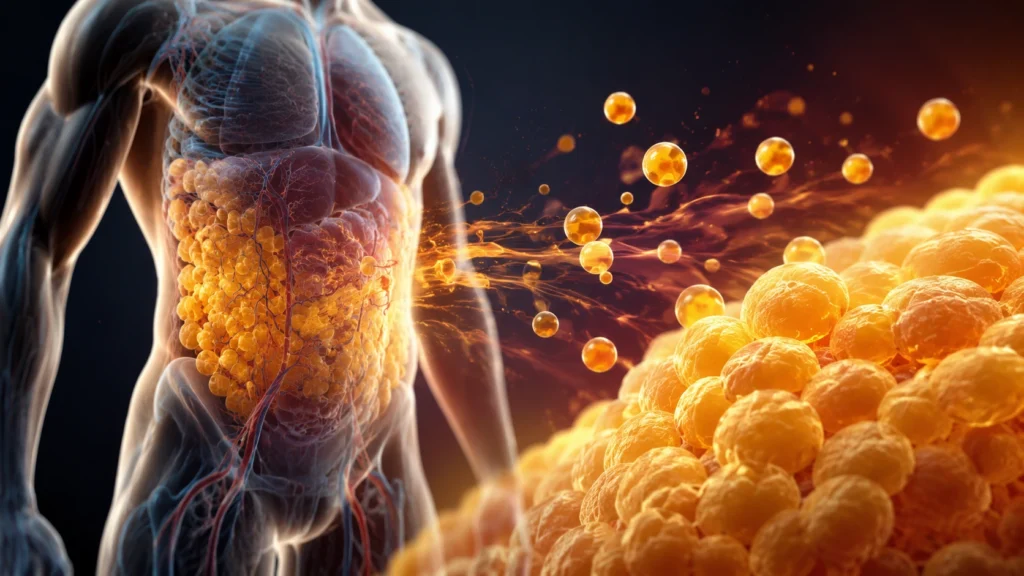
The body stores excess energy primarily as triglycerides inside fat cells. During periods of increased energy demand, hormones such as adrenaline and glucagon signal fat cells to release stored fatty acids into the bloodstream. These fatty acids are then transported to tissues where they are oxidized for energy production.
Exercise significantly accelerates this process. Resistance training increases muscle recruitment and post-exercise calorie burn, while cardiovascular exercise elevates immediate energy expenditure. Combining both methods creates a more effective environment for long-term fat reduction.
Protein intake also plays a major role during fat loss. Adequate protein supports muscle retention, improves satiety, and increases the thermic effect of food, meaning the body burns more calories digesting protein compared to fats or carbohydrates.
Hydration status additionally affects metabolic efficiency and physical performance. In hot climates like Oman, dehydration can reduce training quality, impair recovery, and negatively impact fat loss progress.
Why Do Many Weight Loss Programs Fail Long-Term?
Many individuals experience temporary results but struggle to maintain them because their programs are overly restrictive, unrealistic, or physiologically unsustainable.
Extreme diets often eliminate entire food groups, drastically reduce calories, or rely on unsustainable meal structures. While these methods may produce rapid scale changes, they frequently increase fatigue, cravings, hormonal disruption, and psychological burnout.
Another major issue is excessive cardio without strength training. Although cardio burns calories, resistance training helps preserve muscle mass and maintain metabolic rate during dieting phases.
Poor recovery also contributes to failure. Chronic sleep deprivation elevates cortisol levels, increases appetite, reduces insulin sensitivity, and negatively affects energy regulation. Stress-related eating behaviors further complicate progress.
Sustainable fat reduction requires gradual habit development rather than temporary intensity. Long-term success is built through consistency, manageable nutrition strategies, structured exercise programming, and professional accountability.
How Does Resistance Training Improve Fat Loss Mechanism?
Resistance training is one of the most powerful tools for body composition improvement because it directly influences muscle retention, metabolism, hormonal response, and energy expenditure.
Unlike traditional dieting alone, strength training helps maintain lean tissue during calorie deficits. This is critical because muscle tissue is metabolically active and supports higher daily energy expenditure.
Research from the American College of Sports Medicine Position Stand demonstrates that progressive resistance training significantly improves strength, hypertrophy, and physical function. (PubMed)
Why Does Muscle Mass Matter During Weight Loss?
Muscle tissue requires energy to maintain itself even while the body is at rest. Individuals with greater lean mass generally burn more calories throughout the day compared to individuals with lower muscle mass.
During poorly structured dieting phases, the body may lose both fat and muscle simultaneously. This reduces metabolic efficiency and often leads to weight regain after dieting ends.
Resistance training provides a protective stimulus that signals the body to preserve muscle tissue. Compound exercises such as squats, deadlifts, presses, rows, and lunges recruit multiple muscle groups and create substantial metabolic demand.
Additionally, resistance training increases excess post-exercise oxygen consumption (EPOC), meaning calorie burn remains elevated after the workout has ended. This contributes to higher overall energy expenditure across the day.
Strength training also improves insulin sensitivity, movement efficiency, posture, and athletic performance. These benefits support both physical health and long-term sustainability.
How Does Progressive Overload Accelerate Fat Reduction?
Progressive overload refers to gradually increasing training demands over time through heavier loads, increased repetitions, improved exercise complexity, or greater training volume.
Without progression, the body adapts and calorie expenditure becomes less effective. Progressive overload continually challenges muscles and metabolic systems, encouraging ongoing adaptation.
For fat loss Muscat programs, structured progression prevents training plateaus and maintains motivation. Training variables may include resistance intensity, movement tempo, rest intervals, and weekly training frequency.
Circuit-based resistance training can further increase cardiovascular demand while preserving muscular stimulus. This creates an efficient combination of calorie burn and muscle retention.
Consistency remains the most important factor. Scientific evidence repeatedly shows that sustainable adherence produces better outcomes than short-term extreme intensity. (Health)
| Training Component | Primary Fat Loss Benefit |
|---|---|
| Resistance Training | Preserves muscle mass |
| Cardio Training | Increases calorie expenditure |
| High Protein Intake | Improves satiety and recovery |
| Sleep Optimization | Supports hormonal balance |
| Hydration | Improves performance and metabolism |
| Coaching Accountability | Enhances consistency |
What Is The Best Diet Strategy For Fat Loss in Oman?
Nutrition remains the foundation of successful body transformation. Even highly effective exercise programs cannot compensate for uncontrolled calorie intake or poor nutritional quality.
The most effective diet strategy is not necessarily the most restrictive one. Sustainable fat reduction depends on creating moderate calorie deficits while maintaining adequate protein, micronutrient intake, hydration, and meal consistency.
In Oman, nutrition planning should also account for cultural food habits, work schedules, climate conditions, and social dining environments.
Why Is Protein Essential During Fat Reduction?
Protein is the most important macronutrient during fat loss because it supports muscle preservation, appetite regulation, recovery, and metabolic efficiency.
Higher protein intake increases satiety hormones and reduces hunger signals, making calorie control easier. Protein digestion also requires more energy compared to carbohydrates and fats, slightly increasing total calorie expenditure.
Sources such as chicken, fish, eggs, Greek yogurt, lean meats, legumes, and whey protein can support daily protein requirements. Most active individuals benefit from distributing protein intake evenly across meals.
Protein timing around workouts may further improve recovery and training performance. Post-workout meals containing protein and carbohydrates help replenish glycogen stores and support muscle repair.
Individuals who neglect protein often experience increased hunger, slower recovery, and greater muscle loss during dieting phases.
How Do Carbohydrates And Fats Influence Fat Loss?
Carbohydrates are frequently misunderstood during weight loss discussions. While excessive refined carbohydrate intake can contribute to calorie surplus, carbohydrates themselves are not inherently harmful.
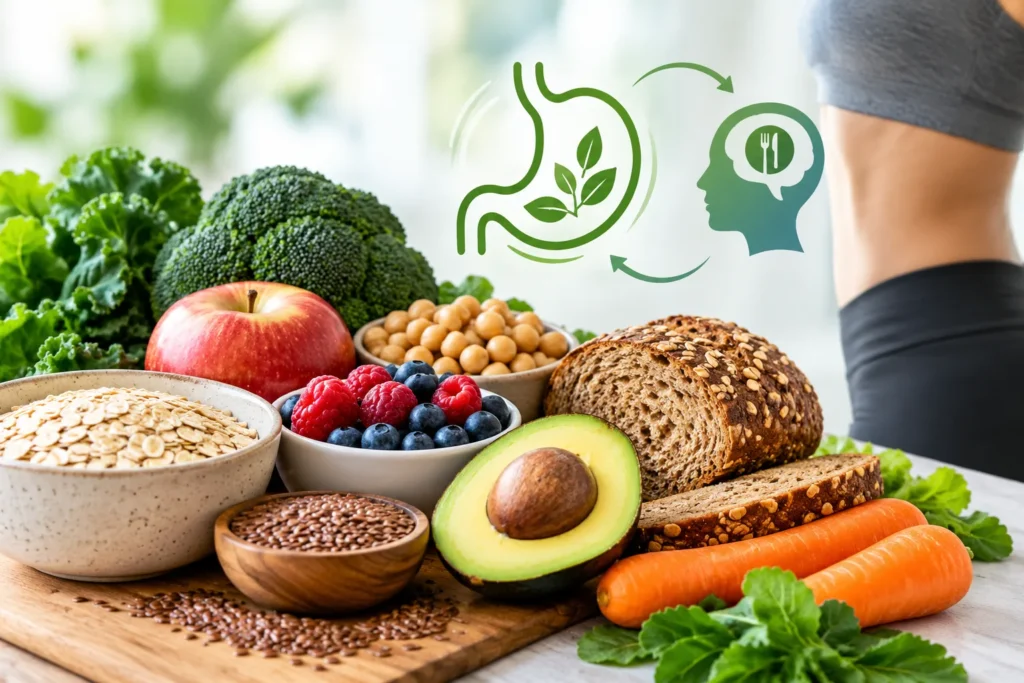
Complex carbohydrates provide training energy, support performance, and improve workout intensity. Foods such as oats, rice, potatoes, fruits, and whole grains can be strategically included within calorie-controlled nutrition plans.
Healthy fats are equally important because they support hormonal function, brain health, and nutrient absorption. Sources such as olive oil, nuts, seeds, avocado, and fatty fish contribute to overall wellness.
The key principle is total energy balance and food quality rather than eliminating specific macronutrients entirely.
Highly processed foods often combine excessive sugar, fat, and sodium, making calorie control difficult. Replacing these foods with nutrient-dense whole foods significantly improves satiety and dietary adherence.
Why Are Lifestyle Habits Critical For Weight Loss Success?
Many individuals focus exclusively on workouts and diets while ignoring lifestyle behaviors that strongly influence body composition outcomes.
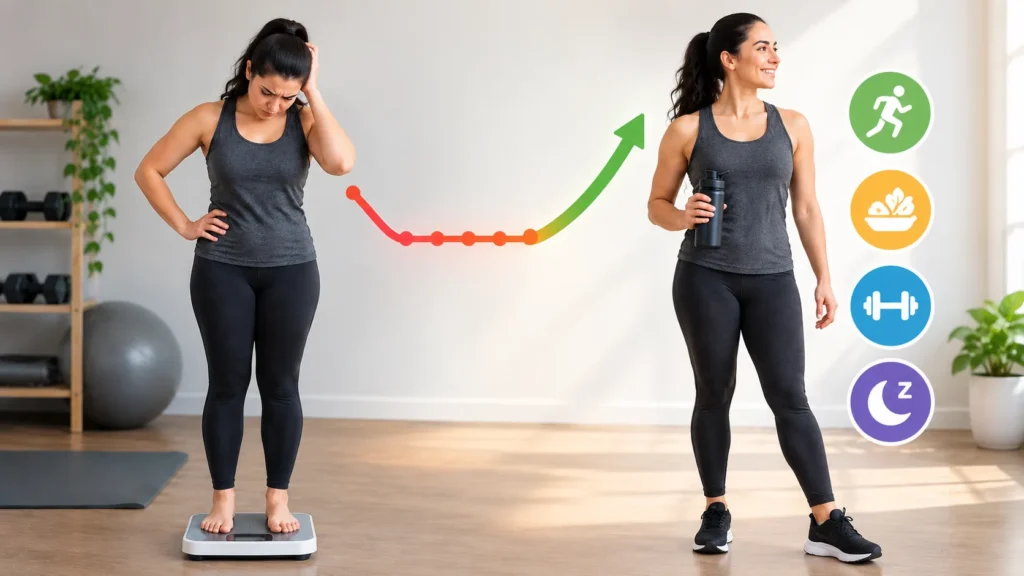
Sleep quality, stress management, hydration, daily movement, and behavioral consistency all play major roles in sustainable fat reduction.
How Does Sleep Affect Body Fat Percentage?
Poor sleep negatively affects hormones related to appetite regulation and energy balance. Sleep deprivation increases ghrelin, reduces leptin, elevates cortisol, and increases cravings for high-calorie foods.
Individuals who consistently sleep fewer hours often experience reduced recovery, lower training performance, impaired decision-making, and greater hunger throughout the day.
Recovery is also essential for muscle repair and metabolic adaptation. Without adequate sleep, exercise performance declines and injury risk may increase.
Most adults benefit from seven to nine hours of consistent sleep each night. Establishing regular sleep schedules, limiting excessive screen exposure, and reducing caffeine late in the day can improve recovery quality.

Why Does Stress Make Fat Loss More Difficult?
Chronic stress influences eating behavior, recovery quality, hormonal regulation, and physical performance. Elevated cortisol levels may increase cravings for highly palatable foods and encourage abdominal fat storage.
Stress can also reduce motivation for training and increase sedentary behaviors. Emotional eating patterns frequently develop when individuals use food as a coping mechanism.
Exercise itself is a powerful stress-management tool. Structured physical activity improves mood, supports cognitive function, and increases energy levels.
Mindfulness practices, proper scheduling, social support, and realistic goal setting can also improve adherence to fat loss programs.
Sustainable transformation requires addressing both physiological and psychological aspects of behavior change.
How Can Professional Coaching Improve Fat Loss Results?
Many people attempt independent fat loss programs but struggle with consistency, exercise selection, progression, accountability, or nutritional structure.
Professional coaching provides individualized guidance based on training history, body composition, lifestyle demands, injury considerations, and performance goals.
Why Is Personalized Programming More Effective?
Generic workout plans often fail because individuals differ in recovery capacity, mobility, experience level, metabolic response, and schedule availability.
Personalized programming allows coaches to adjust training volume, exercise selection, progression rate, and nutritional strategies according to real-world feedback.
Beginners may initially require movement education and gradual progression, while advanced trainees benefit from periodized training systems and advanced metabolic conditioning.
Personalization also reduces injury risk by improving exercise technique and balancing training stress with recovery capacity.
How Does Accountability Increase Long-Term Success?
Consistency is the single greatest predictor of long-term body transformation success. Accountability systems improve adherence by creating structure, motivation, and measurable progress tracking.
Professional environments also provide social support and positive reinforcement, which can significantly improve confidence and long-term commitment.
Tracking methods may include body composition analysis, strength measurements, performance testing, progress photos, and nutritional reviews.
At 5d fitness, structured coaching systems help individuals pursue sustainable fat reduction through evidence-based training, nutrition guidance, and long-term behavioral support designed for real lifestyle integration.
Conclusion
Fat Loss in Oman requires more than temporary dieting or random exercise routines. Sustainable transformation depends on combining intelligent training, structured nutrition, adequate recovery, stress management, and long-term consistency.
Scientific evidence consistently shows that resistance training, protein-focused nutrition, progressive overload, and behavioral accountability produce superior long-term outcomes compared to restrictive short-term approaches. (PMC)
Individuals seeking fat loss in Oman solutions should prioritize sustainable systems rather than aggressive quick fixes. Long-term body composition improvement is achieved through realistic habits that can be maintained for years rather than weeks.
At 5d fitness, professionally guided programs help individuals build healthier bodies, stronger performance, improved confidence, and sustainable fat loss through science-based coaching methods tailored to modern lifestyles in Oman.
Ready to transform your body with a structured and sustainable fat loss system? Start your journey today with professional coaching, personalized training plans, expert nutritional guidance, and performance-focused support designed to help you achieve lasting results safely and efficiently.
Frequently Asked Questions (FAQ)
The safest and most effective approach combines calorie control, resistance training, adequate protein intake, sleep optimization, and consistency.
Most individuals benefit from three to five structured training sessions weekly.
Cardio helps increase calorie expenditure, but resistance training is essential for preserving muscle mass.
Yes. Beginners should start gradually with supervised programming and progressive intensity increases.
Strength training supports overall body fat reduction and improves metabolic efficiency.
Healthy fat reduction is usually gradual and depends on consistency, nutrition, and lifestyle habits.
Highly processed foods, excessive sugary drinks, and uncontrolled fast-food intake should be limited.
No. Intermittent fasting is one possible strategy, but calorie balance remains the primary factor.
Yes. The fundamental principles of fat reduction apply to both men and women.
Weight regain often occurs due to extreme dieting, muscle loss, unsustainable habits, and lack of long-term structure.
Yes. Proper hydration supports metabolism, recovery, appetite regulation, and training performance.
No. Supplements should support, not replace, a structured nutrition plan.