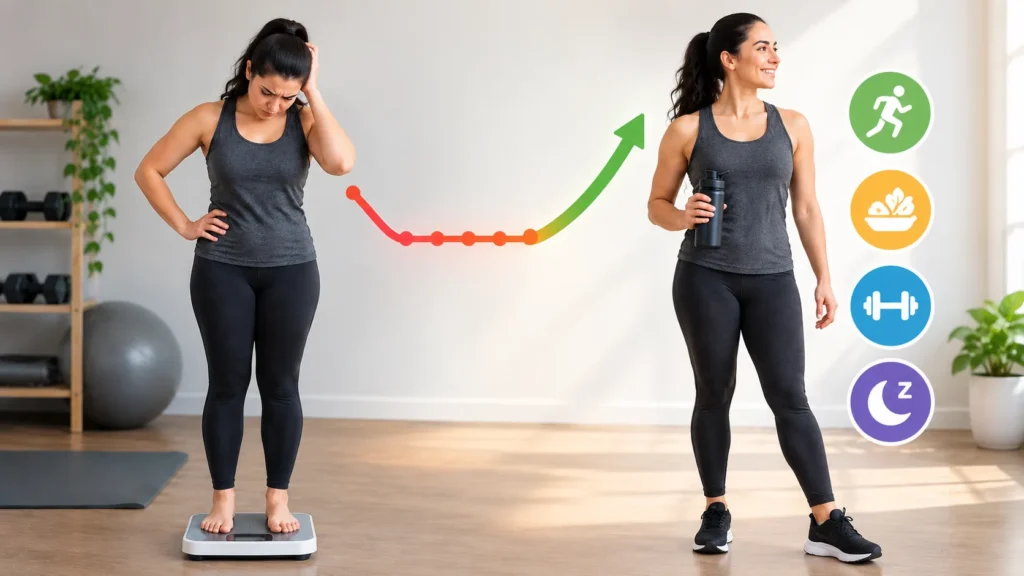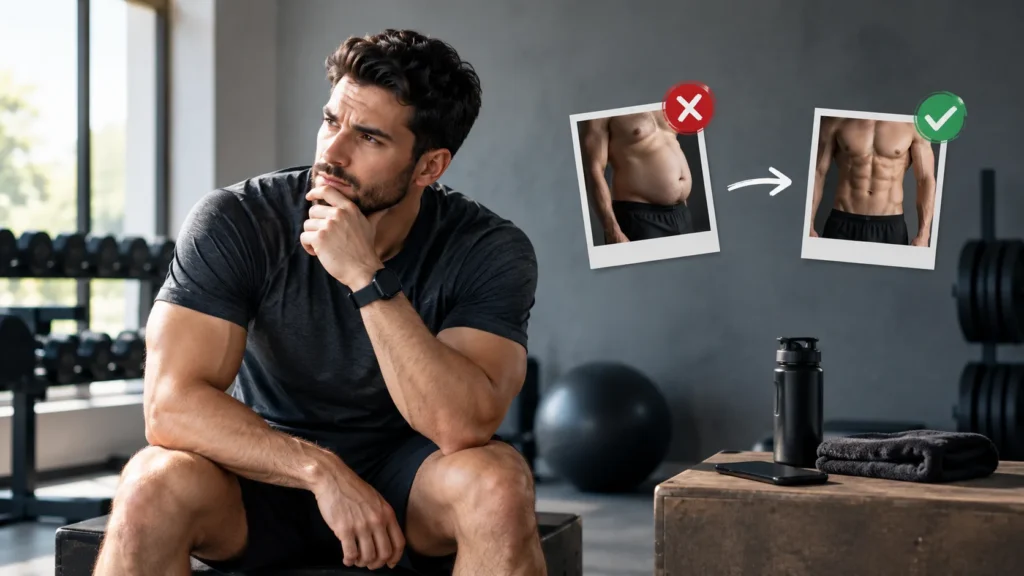
Fat Burning Exercises in Oman has become one of the most searched fitness topics among individuals who want sustainable weight loss, improved body composition, and better long-term health. In Oman, modern lifestyles, desk-based work routines, reduced physical activity, and inconsistent nutrition habits have contributed to rising interest in effective fat-burning training systems. At 5d fitness, structured exercise programs combine resistance training, conditioning, mobility, and personalized coaching to help individuals improve fitness levels safely and efficiently. Whether someone is a beginner trying to lose excess body fat or an athlete looking to improve conditioning, choosing the right burn fat workout strategy can significantly influence results.
Research consistently shows that combining resistance training, cardiovascular exercise, recovery, and nutritional consistency produces the best long-term fat-loss outcomes. According to the American College of Sports Medicine, regular exercise plays a major role in obesity management, metabolic health improvement, and chronic disease prevention. (PMC)
What Are the Best Fat Burning Exercises for Beginners in Oman?
Starting a fat-loss journey can feel overwhelming for many people, especially beginners who have little training experience. One of the most important factors for long-term success is selecting exercises that are effective, sustainable, and appropriate for individual fitness levels. Many people make the mistake of choosing extremely intense workouts too early, leading to fatigue, injury risk, or loss of motivation.
A successful fat-burning approach should focus on progressive overload, movement quality, consistency, and energy expenditure. Beginners in Oman often benefit from structured full-body training sessions that improve cardiovascular fitness while also preserving lean muscle mass. Compound exercises that activate multiple muscle groups simultaneously increase calorie expenditure and metabolic demand.
Climate conditions in Oman also influence exercise habits. Many individuals prefer indoor gyms, early morning sessions, or supervised training environments to maintain consistency throughout the year. Sustainable fat loss depends less on “quick fixes” and more on building long-term habits involving movement, nutrition, hydration, and recovery.
Which Full Body Fat Burning Exercises in Oman Burn the Most Calories?
Full-body exercises are among the most effective fat-burning tools because they recruit large muscle groups simultaneously. Movements such as squats, lunges, push-ups, kettlebell swings, burpees, rowing exercises, and battle ropes significantly increase heart rate while improving muscular endurance.
Squats are highly effective because they target the quadriceps, glutes, hamstrings, and core together. Adding resistance or increasing repetitions can dramatically elevate calorie burn. Lunges improve balance and lower-body strength while challenging cardiovascular endurance during circuit-style workouts.
Burpees remain one of the most demanding burn fat workout movements because they combine strength, mobility, and cardio into one exercise. Although challenging for beginners, modified versions can still provide excellent metabolic benefits.
Kettlebell swings are particularly useful because they train explosive hip power while elevating heart rate quickly. This combination improves conditioning and increases post-exercise calorie expenditure. Push-ups also contribute to upper-body strength development while engaging core stabilization muscles.
Circuit training that combines these exercises with minimal rest periods creates high metabolic demand and improves conditioning efficiently. Research supports combining resistance and aerobic exercise for better body composition improvement and metabolic health outcomes.
How Important Is Resistance Training for Fat Loss?
Many people incorrectly believe cardio is the only effective method for losing body fat. In reality, resistance training is one of the most important components of successful long-term fat reduction. Strength training preserves lean muscle tissue during calorie deficits, which helps maintain metabolic rate.
When individuals lose weight without resistance training, they often lose both fat and muscle mass. Reduced muscle mass lowers resting energy expenditure, making future weight maintenance more difficult. Resistance training helps prevent this issue by supporting muscle preservation.
Exercises such as deadlifts, squats, presses, rows, and pull movements stimulate multiple muscle groups and increase post-workout oxygen consumption. This process contributes to additional calorie burning after training sessions end.
“Exercise is Medicine.” — American College of Sports Medicine
For individuals in Oman seeking sustainable body transformation, combining strength training with proper nutrition and conditioning creates significantly better long-term outcomes than relying on cardio alone.
How Do Cardio Fat Burning Exercises in Oman Improve Weight Loss Results?

Cardiovascular exercise remains an essential part of most fat-loss programs because it increases calorie expenditure, improves endurance, and enhances heart health. However, the effectiveness of cardio depends on intensity, frequency, recovery, and integration with strength training.
Many people assume longer workouts always produce better results, but strategic programming is more important than duration alone. Cardio can be performed through walking, cycling, swimming, rowing, running, stair climbing, or interval-based conditioning.
For individuals in Oman, indoor cardio environments are often preferred during hotter months. Treadmill intervals, indoor cycling, rowing machines, and group fitness classes help maintain consistency despite climate conditions.
Is HIIT Better Than Traditional Cardio for Fat Loss?
High-Intensity Interval Training (HIIT) has gained popularity because it alternates short bursts of intense effort with recovery periods. HIIT workouts can improve cardiovascular conditioning while increasing calorie burn within shorter workout durations.
Exercises commonly used in HIIT include sprint intervals, rowing intervals, kettlebell circuits, cycling sprints, jump rope sessions, and bodyweight circuits. Because HIIT elevates heart rate rapidly, it may improve post-exercise oxygen consumption and metabolic demand.
However, research suggests that consistency and total activity levels matter more than relying exclusively on HIIT. Moderate-intensity cardio still provides substantial health and fat-loss benefits when performed consistently.
HIIT is not always ideal for beginners or individuals with joint limitations. Excessive high-intensity training without adequate recovery may increase fatigue and injury risk. A balanced program often combines moderate cardio, strength training, and occasional high-intensity sessions.
Can Walking Help Burn Fat Effectively?
Walking has become one of the most effective and sustainable options within any Fat Burning Exercises in Oman routine. It is accessible, low impact, beginner-friendly, and highly effective for individuals looking to improve calorie expenditure without excessive stress on the joints. A structured burn fat workout plan often includes daily walking because it supports long-term consistency and sustainable fat loss results.
Brisk walking helps improve cardiovascular endurance, circulation, metabolic function, and insulin sensitivity while increasing overall daily calorie burn. Many fitness professionals recommend walking as a foundational component of a Fat Burning Exercises in Oman program because regular movement contributes significantly to creating a calorie deficit and improving overall activity levels.
Walking after meals may also support digestion and blood sugar regulation, making it beneficial for weight-management goals. Incline treadmill walking is especially effective in a burn fat workout because it activates the glutes, calves, hamstrings, and core more intensely while elevating heart rate and energy expenditure.
For overweight individuals and beginners starting a Fat Burning Exercises journey, walking offers a safer and more sustainable alternative to aggressive high-impact workouts. Consistent daily movement, combined with proper nutrition and resistance training, plays a major role in achieving long-term fat-loss success.
Why Does Nutrition Matter Alongside Fat Burning Exercises?
Exercise alone rarely produces optimal fat-loss results without nutritional consistency. Many individuals train intensely but struggle to achieve body composition changes because calorie intake, food quality, hydration, and meal timing remain inconsistent.
Fat loss fundamentally depends on creating a sustainable calorie deficit while maintaining muscle mass and training performance. Nutrition quality directly affects recovery, energy levels, hormonal balance, and workout performance.
In Oman, changing eating habits, frequent dining out, sugary beverages, and irregular meal timing can negatively influence weight-management goals. Structured nutritional guidance helps individuals make realistic and sustainable changes rather than relying on restrictive dieting approaches.
Which Foods Support Better Fat Burning Results?
High-protein foods are particularly important during fat-loss phases because they help preserve muscle mass, improve satiety, and support recovery. Lean meats, fish, eggs, Greek yogurt, legumes, and protein-rich snacks can support body composition goals effectively.
Complex carbohydrates such as oats, rice, potatoes, fruits, and vegetables provide training energy and recovery support. Healthy fats from nuts, olive oil, avocados, and seeds contribute to hormonal health and satiety.
Hydration also plays a major role in exercise performance and metabolism. Dehydration may reduce training intensity, recovery quality, and overall energy levels. Individuals training in Oman’s climate should prioritize adequate daily fluid intake.
Crash diets often lead to muscle loss, fatigue, and poor sustainability. Long-term success depends on balanced nutrition habits that can realistically be maintained.
How Does Protein Help During Weight Loss?
Protein is one of the most important nutrients during fat-loss phases because it supports muscle preservation while improving fullness and recovery. Higher protein intake also increases the thermic effect of food, meaning the body uses more energy during digestion.
Resistance training combined with adequate protein intake helps maintain lean body mass during calorie deficits. This is crucial because preserving muscle supports long-term metabolic function.
Protein also assists with workout recovery by supporting muscle repair and adaptation. Individuals performing regular burn fat workout routines often require greater protein intake than sedentary populations.
Many successful fat-loss programs distribute protein intake consistently throughout the day rather than consuming most protein in one meal. This strategy supports recovery, satiety, and training performance more effectively.
Which Fat Burning Exercises Are Best for Women in Oman?
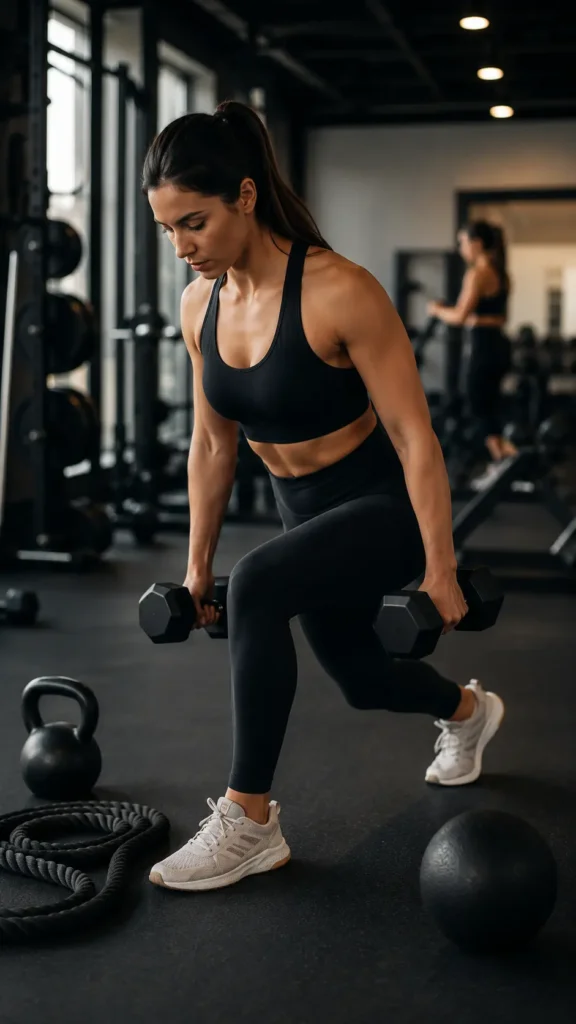
Women often approach fat loss with different concerns, goals, and misconceptions compared to men. Many women worry that resistance training will make them excessively muscular, but evidence consistently shows strength training improves body composition, metabolism, posture, and confidence without unwanted bulk.
Women in Oman increasingly participate in structured fitness programs focused on strength development, conditioning, mobility, and healthy fat reduction. Female-focused training environments and coaching support have improved gym accessibility and participation rates significantly.
How Can Strength Training Improve Fat Burning for Women in Oman?
Strength training helps women improve body composition by increasing lean muscle mass and metabolic efficiency. Unlike weight loss alone, body recomposition focuses on reducing fat while maintaining or improving muscle tone.
Exercises such as squats, deadlifts, resistance band movements, dumbbell training, and machine-based exercises help women develop strength safely and progressively. Increased muscle mass contributes to improved calorie expenditure during rest and activity.
Strength training also supports bone density, hormonal balance, posture, and injury prevention. Women who prioritize resistance training often experience better long-term weight-management outcomes compared to cardio-only approaches.
Are Low Impact Workouts Effective for Fat Loss?
Low-impact workouts can still be highly effective for fat reduction, especially for beginners, overweight individuals, or people recovering from injuries. Effective low-impact exercises include incline walking, cycling, rowing, swimming, elliptical training, Pilates, and resistance circuits.
These workouts reduce joint stress while still improving cardiovascular conditioning and calorie expenditure. Sustainability is often higher because recovery demands are lower compared to excessive high-impact training.
Low-impact programs can also improve movement quality, mobility, posture, and muscular endurance. Many individuals remain more consistent with lower-impact exercise styles because workouts feel more manageable and less intimidating.
For long-term fat loss, consistency and adherence remain more important than choosing the most exhausting training style possible.
How Can Professional Fat Burning Exercise Coaching in Oman Accelerate Weight Loss Results?
Many individuals struggle with fat loss because they lack structure, accountability, and proper progression. Random workouts and inconsistent habits often produce limited results despite significant effort.
Structured coaching programs provide exercise planning, nutritional guidance, recovery strategies, progress tracking, and individualized adjustments. Professional supervision also improves exercise technique and reduces injury risk.
At 5d fitness, personalized coaching systems help clients develop sustainable habits while improving fitness, body composition, and overall health. Professional guidance can be especially valuable for beginners who feel uncertain about exercise selection, training intensity, or nutritional strategies.
Why Are Consistent Fat Burning Exercises More Effective Than Extreme Workouts?
Extreme programs often produce short-term motivation but poor long-term sustainability. Excessive training intensity without proper recovery can increase fatigue, injury risk, and mental burnout.
Consistent moderate training performed over months creates significantly better long-term outcomes than aggressive short-term programs. Sustainable fat loss requires realistic nutrition habits, recovery management, sleep quality, and progressive training.
Small improvements repeated consistently lead to meaningful body composition changes. This principle applies to both beginners and experienced athletes.
Should Beginners Train Alone or With a Coach?
Beginners often benefit from professional coaching because proper instruction improves exercise technique, safety, and confidence. Coaches can modify exercises based on mobility, fitness level, injuries, and goals.
Training alone may work for experienced individuals with strong exercise knowledge, but beginners frequently struggle with consistency and proper progression. Coaching environments also increase accountability and motivation.
Group training, personal training, and structured gym programs can help individuals remain engaged while learning effective long-term habits.
Fat Burning Exercise Comparison Table
| Exercise Type | Primary Benefit | Calories Burned Potential | Best For |
|---|---|---|---|
| HIIT Training | High metabolic demand | High | Intermediate to advanced |
| Strength Training | Muscle preservation | Moderate to High | Long-term fat loss |
| Walking | Sustainability | Moderate | Beginners |
| Cycling | Low joint stress | Moderate to High | Overweight individuals |
| Rowing | Full-body conditioning | High | Cardiovascular fitness |
| Circuit Training | Combined strength and cardio | High | Efficient workouts |
| Swimming | Low-impact conditioning | Moderate to High | Joint-friendly training |
Conclusion
Fat loss is not achieved through one “magic” workout. Sustainable results come from combining resistance training, cardiovascular exercise, nutritional consistency, sleep quality, hydration, and long-term adherence. Individuals in Oman benefit most from structured programs that balance intensity with recovery while supporting healthy lifestyle habits.
The most effective fat-burning exercises are the ones that can be performed consistently over time. Strength training preserves muscle mass, cardio improves conditioning, walking increases daily energy expenditure, and nutrition determines long-term success.
At 5d fitness, structured coaching programs help individuals build sustainable fitness habits, improve body composition, and achieve long-term health goals through science-based training methods.
Ready to start your transformation with professional coaching, structured burn fat workout plans, and personalized fitness guidance in Oman? Contact 5d fitness today to begin a customized fat-loss journey designed around your fitness level, goals, and lifestyle.
Frequently Asked Questions (FAQ)
The best exercises include strength training, HIIT workouts, circuit training, rowing, incline walking, cycling, and full-body resistance workouts.
Most individuals benefit from three to five structured training sessions weekly combined with daily movement.
Cardio helps increase calorie expenditure and improve heart health, but resistance training is equally important for preserving muscle mass.
Yes. Beginners should start gradually with supervised training and progressive exercise intensity.
Yes. Strength training preserves muscle mass and improves metabolic rate during weight-loss phases.
Not always. HIIT may not be ideal for beginners, injured individuals, or people with low recovery capacity.
Nutrition is essential because calorie balance, protein intake, and food quality directly affect body composition changes.
Walking supports calorie expenditure and overall fat reduction when combined with proper nutrition and consistency.
Most individuals notice measurable improvements within several weeks when training and nutrition remain consistent.
No. The body loses fat systemically rather than targeting one specific area.
Many people prefer early morning or indoor evening sessions due to climate conditions.
The principles remain similar, although training preferences, recovery, and programming styles may differ individually.