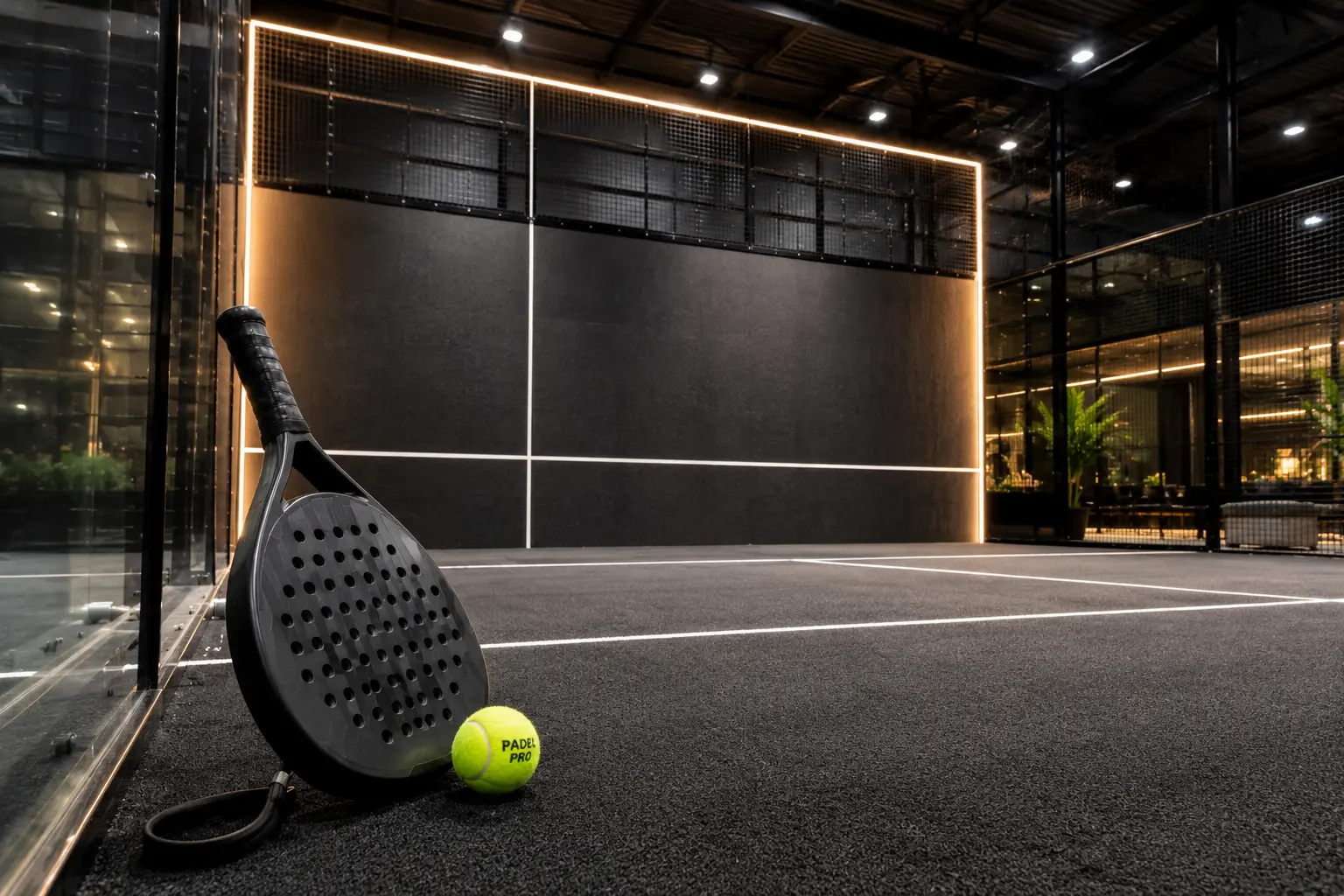
Padel is no longer just another trending racquet sport; it is a practical, high-adherence training option for athletes, beginners, and anyone who wants to lose weight without turning exercise into a punishment. For players in Oman, it offers a rare combination of intensity, social energy, and repeatability that makes consistency far easier to build. At 5d fitness, that matters, because the best fitness plan is the one people actually stick to. Padel fits that logic well: it is dynamic, accessible, and built around movement, reaction, and continuous engagement. The result is a sport that can support performance, body composition, and long-term habit change at the same time.
How is padel different from other racquet sports?
Padel stands apart because it blends the pace of tennis with the rebound-based tactics of squash, while keeping the learning curve relatively friendly. Official FIP rules describe the court as a rectangle 10 meters wide by 20 meters long, and that compact space creates more rallies, more decision-making, and more opportunities to stay active. The sport is also strongly doubles-oriented, which makes it social, cooperative, and easier to enjoy for players who do not want the pressure of covering a large court alone. That combination is one reason padel is increasingly attractive to busy adults and fitness-minded beginners.
Why does the smaller court create more rallies and more movement?
A smaller court does not mean less work; in padel, it often means more continuous work. Because the ball can be played off the glass and side walls, points tend to extend beyond the first clean strike. That changes the physical demand from isolated power shots to repeated accelerations, decelerations, and quick recoveries. The compact layout keeps both players involved more often, which is useful for athletes who want a training stimulus that feels competitive rather than repetitive. In practical terms, a session can challenge your legs, core, shoulders, coordination, and decision-making at the same time. That is one reason padel fits neatly into a modern fitness approach: it trains movement quality while also keeping the mind engaged.
Why is doubles play such an advantage for beginners and busy adults?
Doubles play lowers the barrier to entry because you are not required to cover the entire court by yourself. The workload is shared, communication matters, and beginners can learn faster by observing patterns, positioning, and teamwork. That structure also makes the sport more enjoyable for adults who want fitness without feeling isolated. FIP leadership has even described the sport as a doubles discipline, which reflects how central partnership is to the game. For beginners, that means less intimidation and more shared success; for experienced players, it means tactical depth and better shot selection. In a training context, the social side is not a side benefit. It is one of the main reasons padel can become a long-term habit rather than a short-lived burst of motivation.
How can padel support fat loss and overall health?
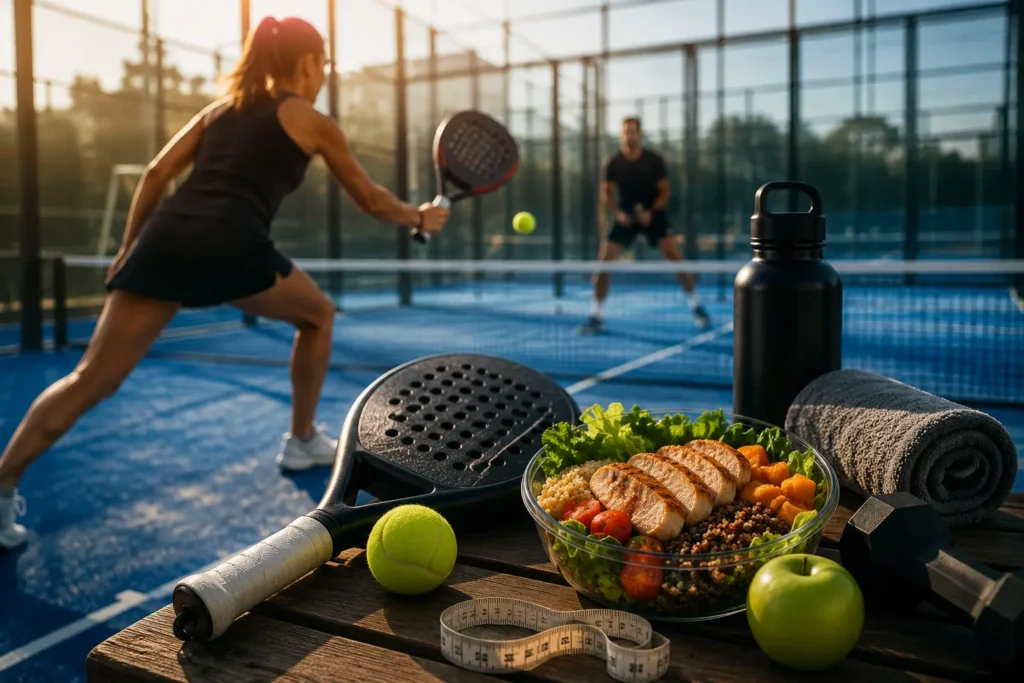
Padel can support fat loss because it naturally combines movement, intensity variation, and repeat sessions. That matters more than chasing a “perfect” workout. The CDC notes that physical activity helps create a calorie deficit when combined with appropriate eating habits, and that regular activity is also important for maintaining weight loss. The WHO adds that physical activity improves health and well-being, while inactivity increases the risk of noncommunicable diseases. Padel fits these principles well because it is energetic without feeling monotonous, which makes it easier to repeat week after week. For many adults, especially those who struggle with adherence, that consistency is the real advantage.
How does a padel session fit into weekly weight-loss targets?
A useful way to think about padel is as a high-engagement form of moderate-to-vigorous activity that can help you accumulate meaningful weekly movement. The CDC recommends adults get at least 150 minutes of moderate-intensity aerobic activity each week, plus at least two days of muscle-strengthening activity. It also notes that people maintaining weight loss often engage in 60 to 90 minutes of moderate-intensity activity most days. Padel will not replace nutrition, but it can be an excellent tool for building the movement volume that supports fat loss and maintenance. The real value is that it often feels less like “cardio” and more like sport, which helps people return to it regularly. That repeatability is exactly what makes padel useful in a weight-management plan.
Why does enjoyment matter more than perfect programming?
A workout only works if you keep doing it. That is why enjoyment is not a cosmetic factor; it is a compliance factor. WHO guidance emphasizes that sports and active recreation can be done at any skill level and for enjoyment by everybody, and that any amount of physical activity is better than none. Padel is well positioned here because it offers instant feedback, competitive momentum, and visible improvement. Players often feel their first win quickly: better timing, smarter positioning, longer rallies, more confidence. That creates a positive loop where exercise feels rewarding rather than obligatory. For people trying to lose weight, this matters because adherence usually beats sophistication. A less “optimal” plan that is followed consistently will outperform a perfect plan that is abandoned after two weeks.
What do the experts say about activity and weight control?
Three simple evidence-based reminders stand out:
“The only way to maintain weight loss is to engage in regular physical activity.”
These statements matter because they capture the core logic behind padel as a fitness choice. It is not merely a fun sport; it is a repeatable activity that can help people move more, burn more energy, and stay active long enough for results to compound. For adults who have tried and failed with rigid routines, this may be the most important advantage of all.
Which skills help a beginner improve faster?
Improvement in padel comes from learning patterns, not from trying to hit every ball harder. Because the court is enclosed and the game is doubles-based, players who understand spacing, recovery, and shot selection usually progress faster than those who only chase power. This is good news for beginners and returning athletes, because the sport rewards smart movement and composure. It also makes the learning process more satisfying. Instead of waiting months for visible progress, you can often feel the game opening up after only a few sessions. That early confidence is valuable for fitness goals too, because it keeps players engaged long enough to build a habit.
Which movement patterns matter most on court?
The most important movement patterns in padel are short accelerations, quick stops, side steps, split steps, and immediate recovery toward a useful base position. Players rarely win by running far; they win by arriving early, striking under control, and recovering efficiently for the next ball. That means footwork is not a background skill. It is the framework of the sport. A player who moves well will save energy, defend more effectively, and create more options for the partner. From a fitness perspective, this is a major benefit because footwork drills improve coordination, agility, and lower-body control while still feeling sport-specific. For athletes in Oman who want performance and body-composition gains together, this kind of movement training is highly efficient.
What technical habits produce faster improvement?
Three habits usually produce the fastest results: keeping the paddle in a ready position, choosing higher-percentage shots, and recovering after every strike. Beginners often lose points because they admire their shot instead of resetting for the next one. In padel, the next ball arrives quickly, and the wall can change the direction of play in ways that punish hesitation. That is why calm decision-making is so important. Training should therefore focus on repeatable patterns: serve returns, lob control, defensive wall play, and net transitions. A player who learns these basics will improve faster than someone who only practices power. This is also where a structured environment helps, because good coaching turns random court time into deliberate progress.
How do you reduce injury risk and play more often?
Like any fast-paced sport, padel has injury considerations, but most risks can be reduced with sensible preparation and load management. Research on padel has identified the high action velocity and sudden changes in direction during matches as a potential injury risk factor. That does not make the sport unsafe; it means the body needs support from warm-ups, strength training, mobility work, and recovery. For adults who are returning to exercise or trying to lose weight, this is especially important. The goal is not to avoid intensity. The goal is to build enough physical readiness that intensity becomes sustainable.
What warm-up and strength work should every player do?
A useful padel warm-up should prepare the ankles, hips, torso, shoulders, and reaction speed before match play begins. Dynamic movement, lateral lunges, short shuffles, rotational activation, and light hitting progressions can help the body move more freely and react more cleanly. Strength work should also support the demands of the sport. The CDC recommends at least two days a week of muscle-strengthening activity for adults, which fits perfectly with padel because stronger legs and a more stable trunk improve change-of-direction control. Shoulder and upper-back work are particularly important because repeated hitting can stress the upper body over time. Good preparation reduces the “first 10 minutes” stiffness that causes many avoidable tweaks.
Which recovery habits protect performance and consistency?
Recovery is not just for elite athletes; it is what keeps recreational players available. Sleep, hydration, spacing sessions sensibly, and reducing sudden spikes in court time all help preserve performance. The CDC notes that maintaining weight loss often involves substantial regular activity, which means your training plan must be sustainable, not punishing. In padel, that may mean alternating high-intensity match days with lighter movement, strength work, or recovery-focused sessions. It may also mean avoiding the temptation to play hard every day at the start. Consistency beats enthusiasm spikes. A player who manages recovery will improve faster over three months than a player who overtrains in three weeks. That principle is especially important for adults balancing work, family, and fitness goals.
Why does a dedicated padel facility matter for long-term progress?
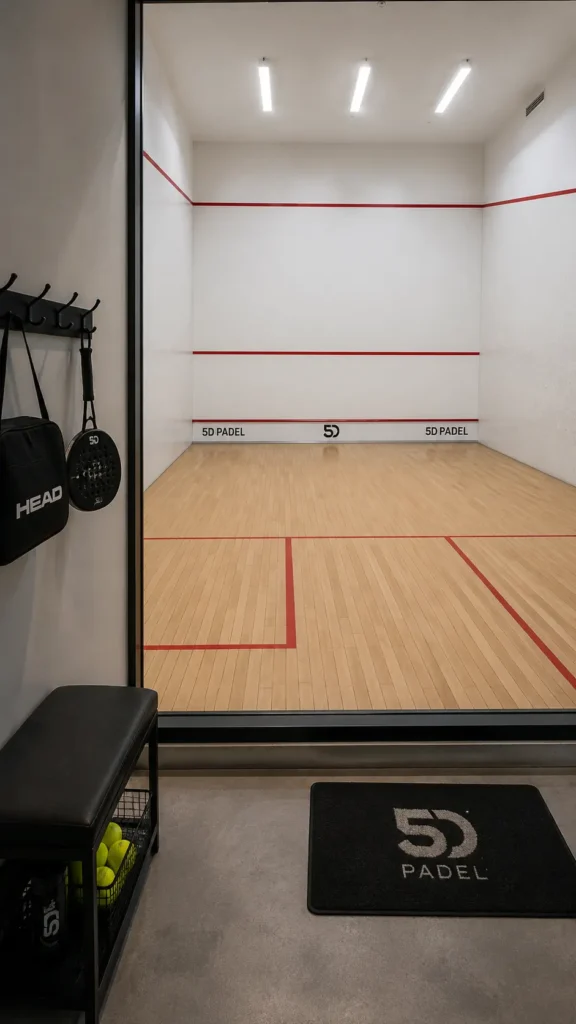
The environment you train in affects how often you show up, how well you move, and how seriously you take your goals. A quality padel facility should do more than provide a court. It should create an experience that feels organized, safe, and motivating. FIP’s own standards for tournaments highlight the importance of court dimensions, lighting, wall materials, surface quality, and supporting services such as warm-up areas and physiotherapy access. Even outside tournament settings, those same factors influence the player experience. For people in Muscat and across Oman, the right setup can be the difference between a one-off booking and a weekly routine.
What should players look for in a court and coaching setup?
A good facility should make the game easier to learn and easier to repeat. Look for well-maintained courts, clear lighting, safe wall construction, enough space for warm-up, and coaching that helps you build decision-making rather than just power. The FIP emphasizes the role of technical conditions, lighting, gym space, and physiotherapist service when evaluating facilities for official competition. That does not mean every recreational venue needs to be a tournament site, but it does show what serious padel environments value. Players benefit when a facility is designed to reduce friction: easy booking, reliable court conditions, and support that helps them improve. When those pieces are in place, training becomes more enjoyable and more consistent.
Why does the right environment improve commitment in Muscat and Oman?
People rarely fail because they do not care. They fail because their environment makes consistency difficult. A well-run padel venue lowers that friction by making the session feel simple: arrive, warm up, play, recover, repeat. That matters for weight-loss clients, athletes, and active adults alike. It also matters in a place like Muscat, where a high-quality indoor or covered setting can make scheduling easier and comfort more predictable. The more convenient and enjoyable the experience, the easier it is to turn exercise into a habit. That is why the facility choice is not just a booking decision; it is a behavior-design decision. In practice, the best court is the one that helps you return next week.
Practical comparison table
| Factor | Why it matters | What it means in practice |
|---|---|---|
| Smaller enclosed court | Creates faster rallies and more involvement | Better for players who want active, continuous play |
| Doubles-based format | Shares load and reduces intimidation | Easier entry point for beginners and busy adults |
| Repeated movement bursts | Supports calorie burn and conditioning | Useful for fat-loss and general fitness plans |
| Agility and direction changes | Builds athletic coordination but increases load demands | Warm-up and strength work become essential |
| Enjoyment and social energy | Improves adherence over time | Helps people keep showing up long enough to see results |
What are the most important takeaways for players in Oman?
Padel is effective because it solves a common fitness problem: people need exercise that is challenging enough to matter but enjoyable enough to repeat. It is a racquet sport with a manageable learning curve, a strong social element, and real physical benefits for health, weight management, and overall conditioning. The most successful players are usually not the most explosive; they are the most consistent, prepared, and coachable. For adults in Oman who want to lose weight, improve fitness, or simply enjoy training again, the smartest move is often the one that keeps motivation alive. That is exactly where 5d fitness can help turn interest into action.
What is a simple answer to the question “Is padel good for weight loss?”
Yes. Padel can support weight loss because it increases physical activity, encourages repeated sessions, and is easier to stick with than many traditional workouts. The CDC’s guidance is clear: physical activity helps create a calorie deficit, and regular activity is central to keeping weight off. When padel is paired with sensible nutrition and enough weekly movement, it becomes a highly practical tool for body-composition change.
Conclusion
Padel works because it blends movement, enjoyment, and consistency into one sport. It supports fitness, helps with weight-loss routines, and gives players a social reason to keep showing up. For adults in Oman who want a smarter, more sustainable way to train, the sport offers real value beyond the trend.
Ready to turn interest into results? Book your next padel session, bring a training partner, and experience a sport that makes fitness feel more rewarding than restrictive. If you are in Muscat and want a structured place to start, now is the time to train with purpose at 5d fitness.
FAQ
Yes. The doubles format, enclosed court, and rally-friendly style make it easier to learn than many people expect. Beginners usually improve quickly when they focus on positioning and simple shot selection.
Both spellings are used, but “racquet sport” is the more formal sports term in many English contexts. Padel sits in the same family as tennis and squash.
Padel is normally played as doubles, so there are four players on court at once. That is one reason it feels social and interactive.
The official court is 10 meters wide and 20 meters long, according to FIP rules. The enclosed design is part of what makes the game unique.
It can, especially when played consistently and combined with healthy eating. The CDC states that physical activity helps create the calorie deficit needed for weight loss.
A practical target is to use padel as part of a broader weekly activity plan rather than as your only exercise. CDC guidance for adults includes at least 150 minutes of moderate-intensity activity each week, plus strength work.
It can be demanding because of quick accelerations and direction changes, but the risk is manageable with warm-up, strength training, and sensible recovery. Research has identified those movement patterns as a potential injury risk factor.
Padel uses the legs, glutes, core, shoulders, and forearms heavily because it combines movement, rotation, and repeated hitting. It is a full-body sport in practical training terms.
Yes. Many adults find it easier to stay active when exercise feels like a game instead of a routine. WHO guidance notes that sports and active recreation can be enjoyable at any level of skill.
It is accessible, social, and exciting without being overly technical at the start. The combination of easy entry and high engagement is a major reason more people keep coming back.