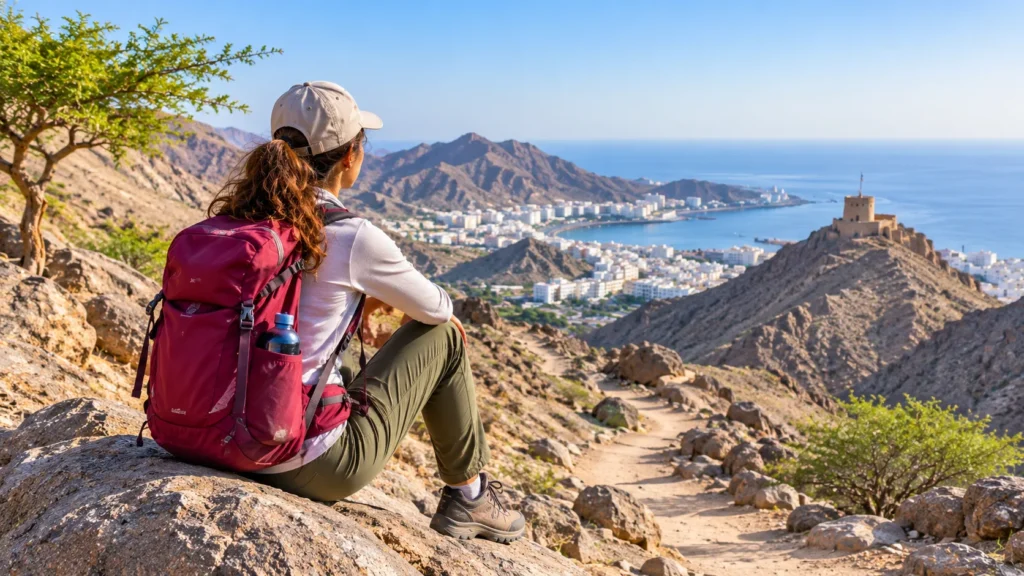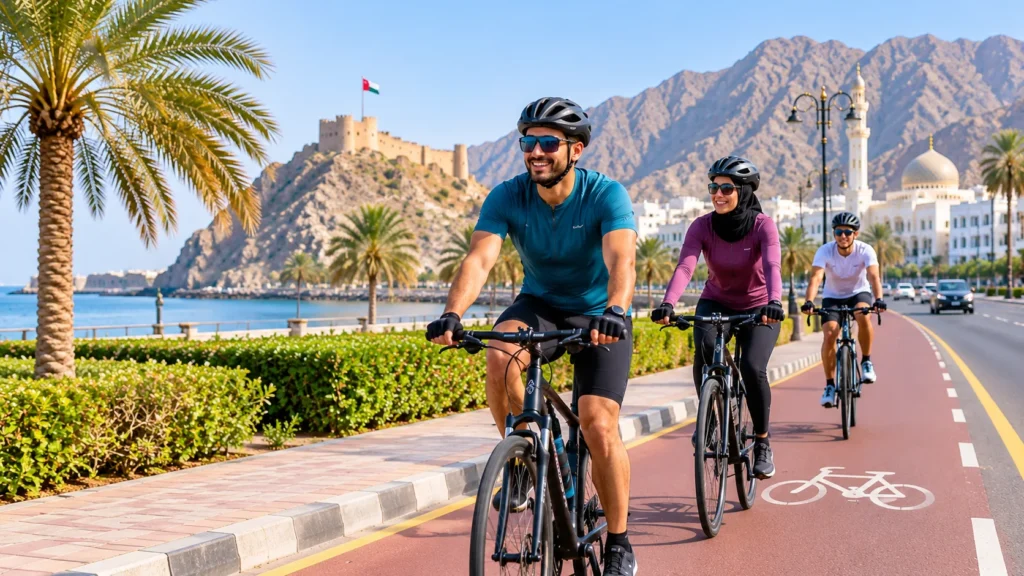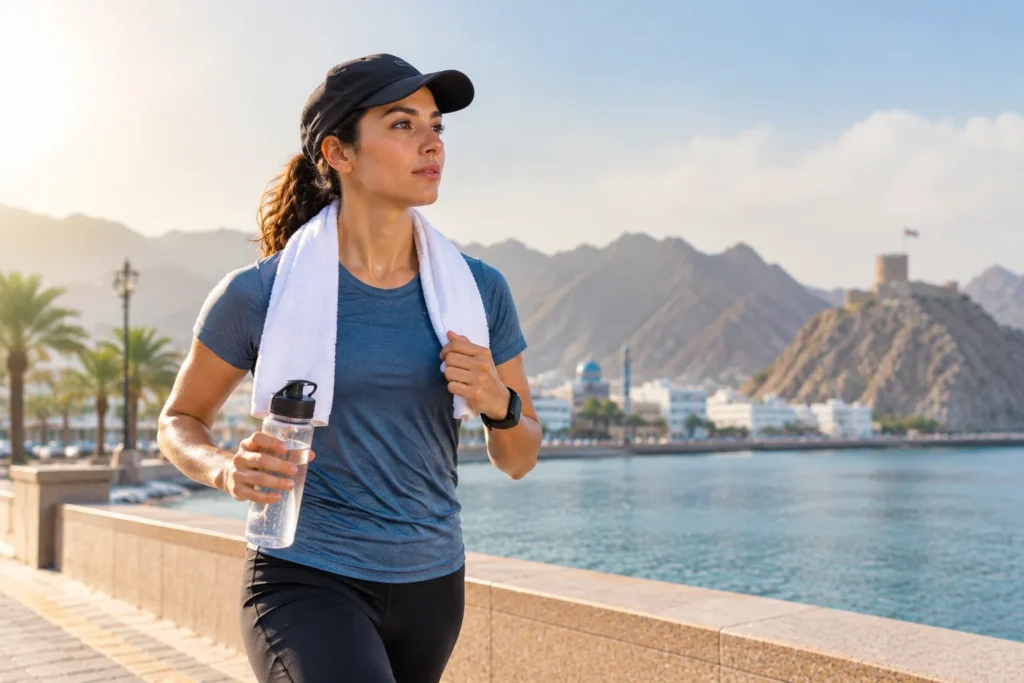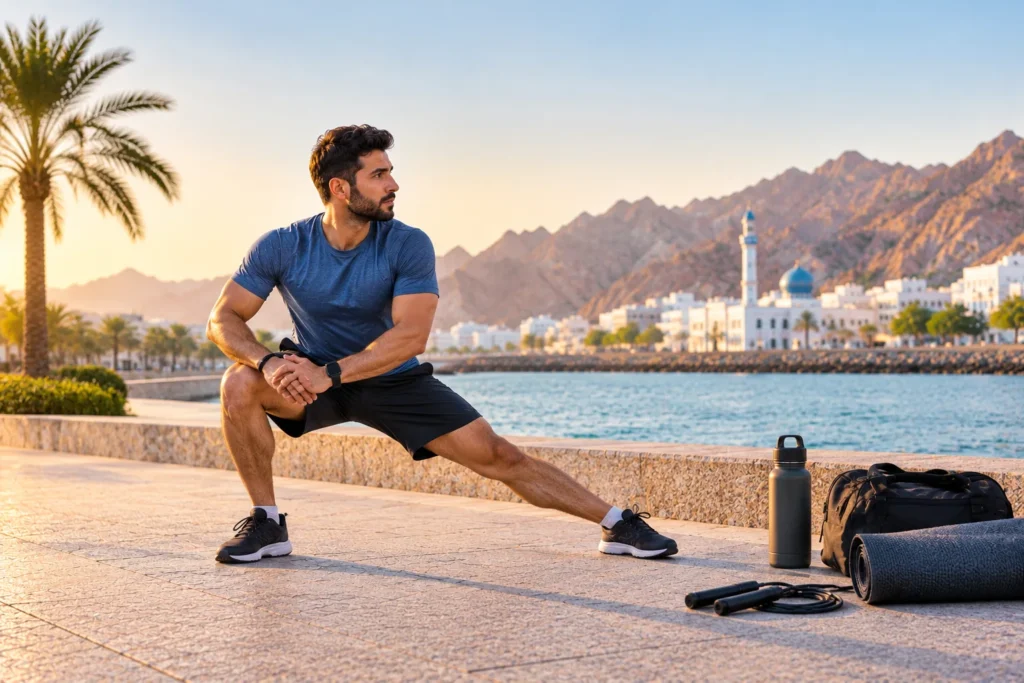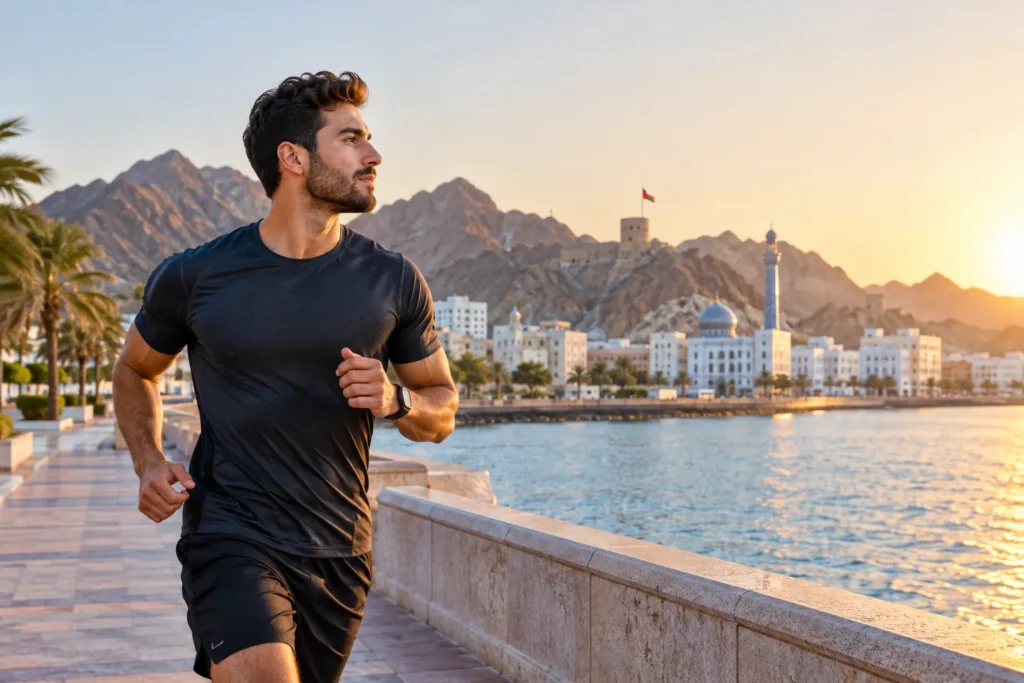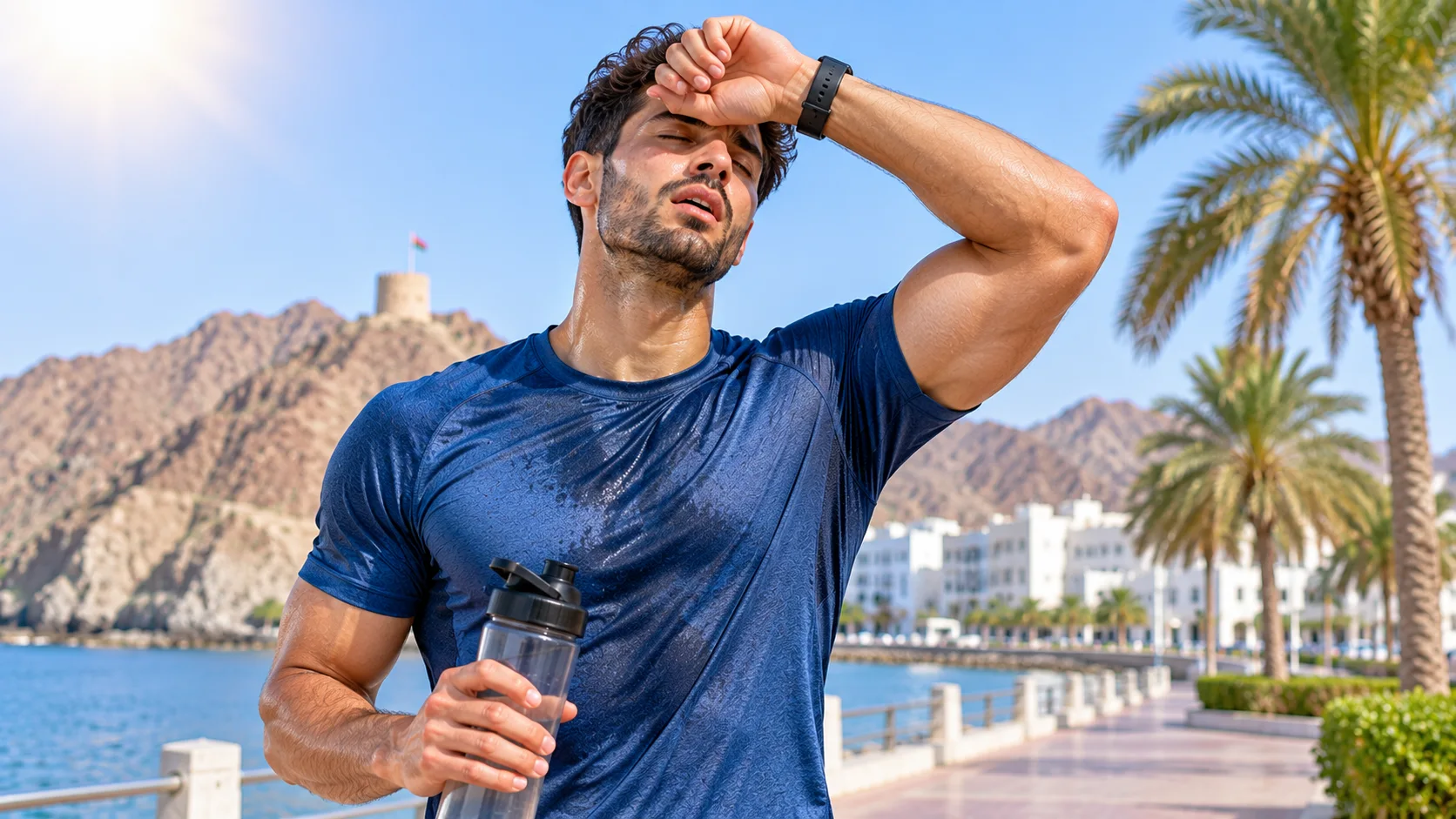
Choosing the right workout clothes for Muscat climate is essential for staying comfortable during exercise in hot and humid conditions. High temperatures, moisture, and limited air movement can make workouts more challenging, particularly for people who train outdoors. The right clothing can improve comfort by supporting airflow, sweat management, and evaporation.
Listen
At 5dfitness, we focus on practical, evidence-based fitness guidance that helps athletes make better training decisions. Whether you enjoy running, cycling, strength training, or outdoor fitness, understanding fabric technology and clothing design can help you choose sportswear that suits Muscat’s environment.
Why Does Muscat’s Climate Affect Your Workout Clothing Choices?
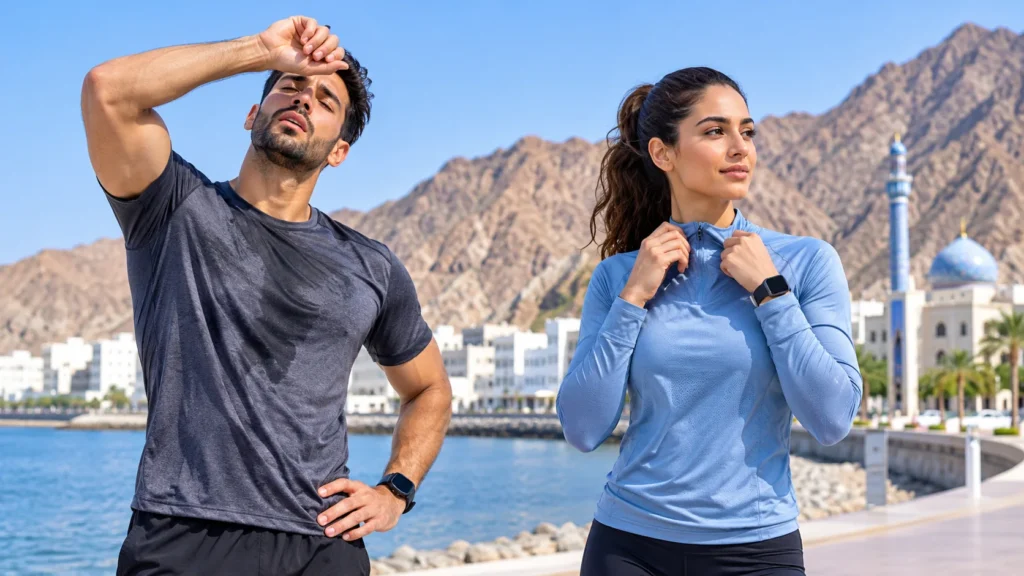
Muscat’s hot climate creates additional demands on the body during physical activity. Exercise increases metabolic heat production, while the environment influences how effectively the body can release that heat. Clothing becomes an important part of this process because fabric structure, thickness, fit, and moisture management can influence heat transfer and comfort.
In humid conditions, sweat evaporation becomes less effective, making appropriate clothing particularly important. Choosing lightweight, breathable sportswear can support comfort, but it should always be combined with sensible training intensity, suitable timing, and adequate hydration.
How Do Heat and Humidity Affect Sweat Evaporation?
Sweating is one of the body’s primary cooling mechanisms. As sweat evaporates from the skin, it removes heat and helps regulate body temperature. However, high humidity reduces the difference between the moisture level of the skin and the surrounding air, making evaporation less efficient.
When exercising in Muscat, clothing that holds excessive moisture against the skin can increase discomfort. Wet fabric may feel heavy, cling to the body, and contribute to friction during movement. Garments that transfer moisture and allow sufficient airflow can improve the experience, although they cannot eliminate the effects of environmental humidity.
Why Is Breathability Important During Exercise?
Breathability refers to how easily air and water vapour can pass through a fabric. Better airflow can support heat and moisture exchange, helping reduce the uncomfortable sensation of trapped heat.
A review published in Sports Medicine examined the role of sports clothing in thermoregulation and exercise performance in hot environments. It explains that sportswear is designed to enhance sweat evaporation and comfort through lightweight, breathable materials and garment construction.
However, breathability alone does not determine how cool a garment feels. Fabric thickness, weave, surface treatment, fit, and environmental conditions also matter. A lightweight garment with an open structure may be more comfortable than a thick performance shirt, even if both are labelled as breathable.
Which Fabrics Are Best for Breathable Workout Clothes?
Fabric selection is one of the most important decisions when choosing workout clothing for hot and humid weather. Different materials absorb, transfer, and release moisture differently. Polyester and nylon are common in performance sportswear because they can be engineered for moisture management and quick drying. Cotton has different characteristics and may be comfortable during low-intensity activities, but it can retain sweat during demanding workouts. Instead of choosing clothing based only on its material name, examine the fabric construction and performance features.
Is Polyester a Good Choice for Hot and Humid Weather?
Polyester is widely used in sportswear because it absorbs relatively little moisture compared with cotton and can be designed to move sweat away from the skin. This makes it a practical option for running, cycling, gym training, and other activities that produce considerable sweating.
However, not all polyester garments perform equally. A dense polyester fabric without adequate ventilation may still feel uncomfortable in hot weather. Look for lightweight construction, breathable panels, and a soft surface that does not irritate the skin.
Performance labels such as moisture-wicking and quick-drying can provide useful guidance, but they should not replace checking the actual fabric quality and fit.
Are Nylon and Cotton Suitable for Workout Clothing?
Nylon is another common sportswear material. It is often valued for its durability, smooth texture, and flexibility, particularly when blended with elastane. Nylon garments can work well for leggings, cycling shorts, and fitted training clothing.
Cotton, on the other hand, absorbs moisture and generally dries more slowly than many synthetic performance fabrics. According to MedlinePlus, people exercising should choose fabrics that “pull sweat away from your skin and dry quickly.” This is particularly relevant for longer or high-intensity sessions.
Cotton can still be comfortable for light activities or casual gym sessions. The main consideration is how much you sweat and how long you remain in wet clothing. For demanding outdoor exercise in Muscat, lightweight moisture-managing fabrics are generally a more practical choice.

What Is the Difference Between Moisture-Wicking and Quick-Drying Fabrics?
These terms describe different fabric properties:
- Moisture-wicking: Transfers moisture away from the skin toward the fabric’s outer surface.
- Quick-drying: Allows the fabric to release moisture and dry relatively quickly.
- Breathable: Allows air and water vapour to pass through the material.
A garment may offer one or more of these features. For example, a moisture-wicking shirt can move sweat away from the skin but may still dry slowly if the fabric is thick or the environment is extremely humid. For Muscat, combining lightweight construction, effective moisture management, and good ventilation is a sensible approach.
Which Material Should You Choose?
| Fabric | Main characteristics | Suitable activities |
|---|---|---|
| Polyester | Lightweight options, moisture management, quick drying | Running, gym training |
| Nylon | Durable, smooth, flexible | Cycling, leggings, strength training |
| Cotton | Soft, absorbent, slower drying | Light exercise, casual wear |
| Polyester-elastane blend | Stretch, flexibility, moisture management | Fitness classes, gym workouts |
| Merino wool | Moisture management and odour resistance | Selected outdoor activities |
Actual performance depends on fabric weight, weave, construction, and finishing. Fibre composition alone does not guarantee comfort.
What Features Should You Look for in Workout Clothing?
The best sportswear is not simply the garment with the most advanced fabric technology. Its fit, ventilation, colour, coverage, and suitability for the activity all influence comfort. In Muscat, these details become particularly relevant during outdoor exercise, when sunlight and environmental heat add to the physical demands of training. A well-designed garment should allow natural movement without trapping excessive moisture or creating unnecessary friction. Consider how the clothing performs during your actual workout rather than judging it only by appearance or marketing claims.
Should You Choose Loose or Tight-Fitting Workout Clothes?
The ideal fit depends on the activity. Loose-fitting clothing can encourage airflow and provide comfort during walking, light exercise, and some strength-training sessions. However, excessively loose garments may interfere with movement or become uncomfortable during cycling and running.
Fitted sportswear can reduce fabric movement and friction during activities involving repeated movements. Stretch materials containing elastane can provide flexibility without restricting the range of motion.
For outdoor training in hot weather, choose a fit that balances ventilation, movement, and comfort. There is no single ideal fit for every athlete or exercise type.
Which Colours and Design Features Are Better for Outdoor Exercise?
Light-coloured clothing generally absorbs less solar radiation than dark clothing under direct sunlight, although the actual effect depends on fabric properties and garment construction.
Also consider ventilation panels, mesh sections, flat seams, and lightweight designs. These features may improve airflow or reduce friction in areas where sweat accumulates.
For outdoor workouts, UV-protective clothing can offer additional protection when it provides a verified UPF rating. Remember that clothing coverage, sunscreen on exposed skin, and training time all contribute to sun protection.
The CDC and NIOSH recommend clothing that is “breathable, light-colored, and loose-fitting” as part of heat-stress prevention guidance. This is useful general advice for outdoor activity, although individual sports may require more specific garment designs.

What Should You Wear for Different Indoor and Outdoor Workouts in Muscat?
Workout clothing should match the physical demands of the activity. Running, cycling, resistance training, and indoor fitness sessions involve different movement patterns, equipment, and exposure conditions. A garment that works well in an air-conditioned gym may not be ideal for a long outdoor ride. Athletes should consider sweat production, movement restrictions, sun exposure, and friction when choosing their clothing. Selecting activity-specific sportswear helps improve comfort and allows you to focus on exercise rather than repeatedly adjusting uncomfortable garments.
What Should You Wear for Running and Cycling Outdoors?
For running, choose a lightweight moisture-wicking shirt, comfortable shorts, and socks made from quick-drying materials. Avoid seams or garment features that create friction during repetitive movement.
Cyclists may benefit from fitted clothing that reduces fabric movement and friction. Cycling shorts with appropriate padding can improve comfort during longer rides. If training outdoors during daylight, consider UV-protective coverage and suitable sun protection.
For both activities, visible colours and reflective details are useful when exercising in low-light conditions. Clothing should support movement while remaining comfortable throughout the planned distance.
Which Clothes Are Suitable for Gym and Strength Training?
For strength training, select flexible clothing that allows unrestricted movement during squats, presses, lunges, and other exercises. A moisture-wicking shirt with breathable shorts or leggings is a practical combination.
In an air-conditioned gym, you may have more flexibility in fabric thickness and coverage than during outdoor training. Nevertheless, choose garments that manage sweat and do not become uncomfortable when wet.
For functional training and group fitness classes, stretch and durability are particularly important. Test the clothing through the movements you perform most frequently before using it for a demanding session.
How Can You Maintain Workout Clothing in a Hot and Humid Climate?
Choosing suitable sportswear is only part of the process. Regular washing, proper drying, and appropriate storage help preserve fabric performance and reduce unpleasant odours. Sweat, body oils, and detergent residues can accumulate in sportswear, particularly when garments are repeatedly used for high-intensity workouts. In humid environments, leaving damp clothing in a gym bag can make odour problems worse. A simple maintenance routine helps keep workout clothing comfortable, hygienic, and ready for the next training session.
How Should You Wash and Dry Sweat-Heavy Workout Clothes?
Wash sweaty clothing as soon as practical after exercise, following the manufacturer’s care instructions. Avoid leaving damp garments inside closed gym bags or laundry baskets for extended periods.
Use an appropriate detergent and avoid excessive fabric softener if the garment manufacturer advises against it, because residue may affect moisture-management properties. Allow clothing to dry completely before storing it.
Whenever possible, use a well-ventilated drying area. Direct sunlight may be suitable for some garments, but check care labels because excessive heat can damage elastic fibres and technical finishes.
How Can You Prevent Odour and Skin Irritation?
Change out of sweaty clothing after exercise, particularly when the fabric remains wet against the skin. Shower when practical and wash garments regularly to remove sweat, oils, and residue.
Choose smooth seams and an appropriate fit to reduce friction around the underarms, thighs, and waistband. If irritation develops repeatedly, consider changing the garment material, fit, or construction.
Never assume that antimicrobial marketing claims eliminate the need for washing. Clean clothing, proper drying, and personal hygiene remain essential.
A Practical Checklist for Choosing Workout Clothes in Muscat
Use these steps before purchasing sportswear:
- Check the fabric:
Prioritise lightweight, breathable, moisture-managing materials.
- Review the construction:
Look for ventilation, suitable fabric density, and comfortable seams.
- Choose the right fit:
Match garment tightness to your activity and movement requirements.
- Consider sun exposure:
Choose suitable coverage and verified UV protection for outdoor sessions.
- Test comfort:
Move, stretch, and exercise in the garment before relying on it for long sessions.
- Follow care instructions:
Wash and dry clothing correctly to maintain its performance.
Conclusion
Choosing suitable workout clothing for Muscat requires more than selecting a popular sportswear brand. Fabric breathability, moisture management, garment fit, ventilation, and sun protection all influence comfort during exercise. Lightweight synthetic performance fabrics are often practical for demanding workouts, while the best choice still depends on the activity and individual preferences.
At 5dfitness, we believe that informed equipment and clothing choices are part of a smarter fitness routine. Choose clothing that works with your body and your environment, prepare for the heat, and make every workout more comfortable and consistent.
Frequently Asked Questions
Lightweight, breathable clothing with moisture-wicking and quick-drying properties is generally a practical choice.
Polyester performance fabrics are often more suitable for demanding workouts because they generally dry faster. Cotton may work for lighter activities.
Not necessarily. Choose a fit that supports the activity, allows movement, and avoids excessive friction or heat discomfort.
They can improve comfort and support moisture evaporation, but they cannot prevent heat illness on their own.
Choose lightweight clothing, suitable sun protection, comfortable footwear, and reflective details when exercising in low-light conditions.
Wash garments after each sweaty workout when practical, and make sure they dry completely before storage.