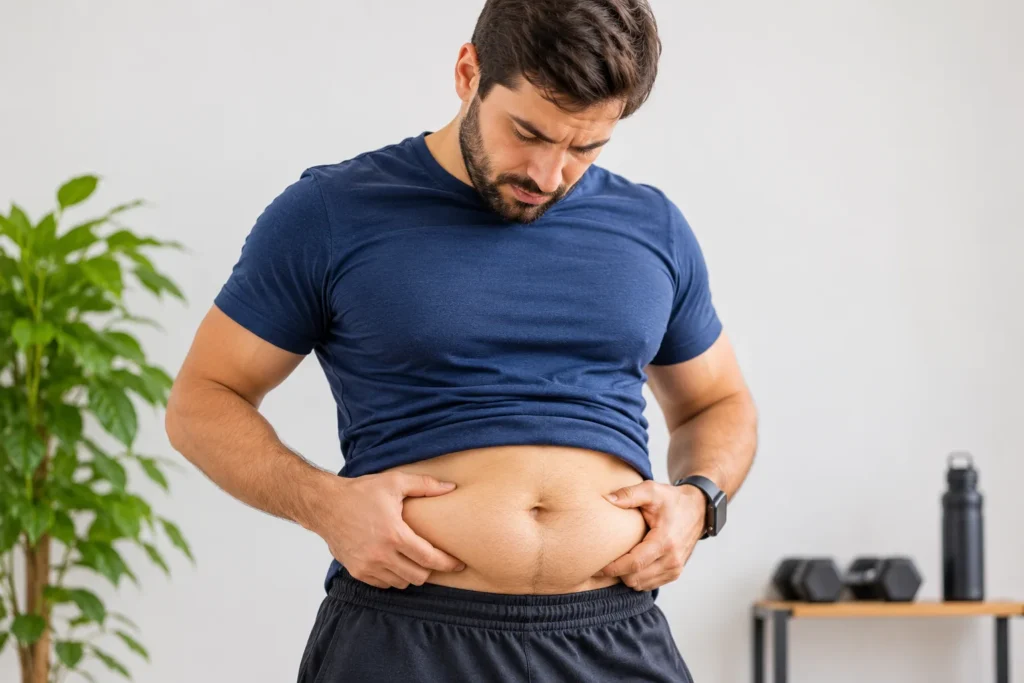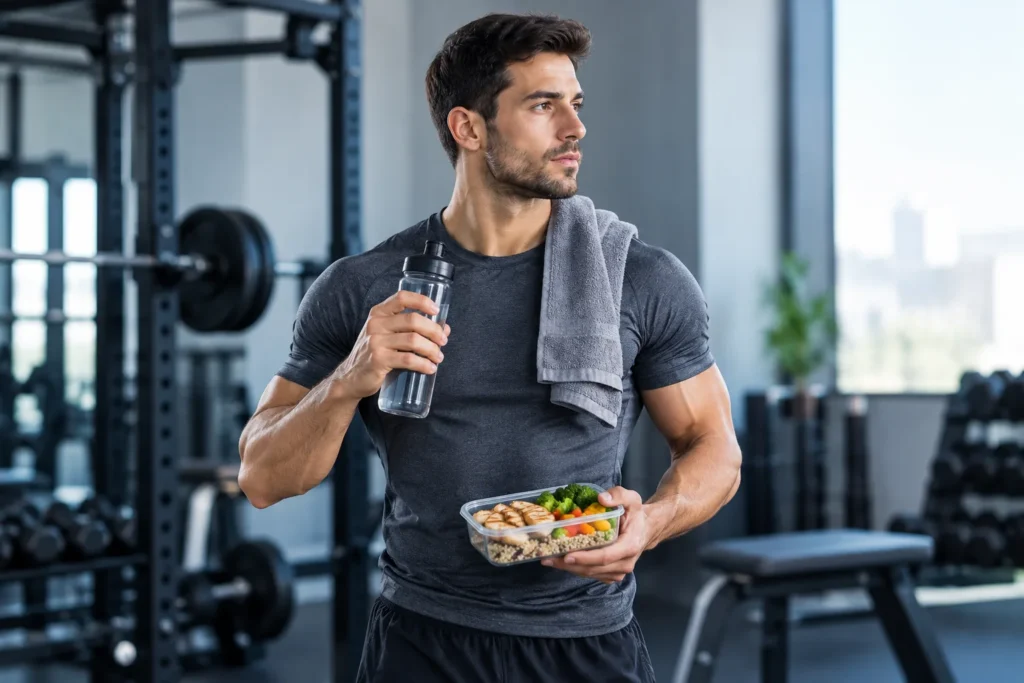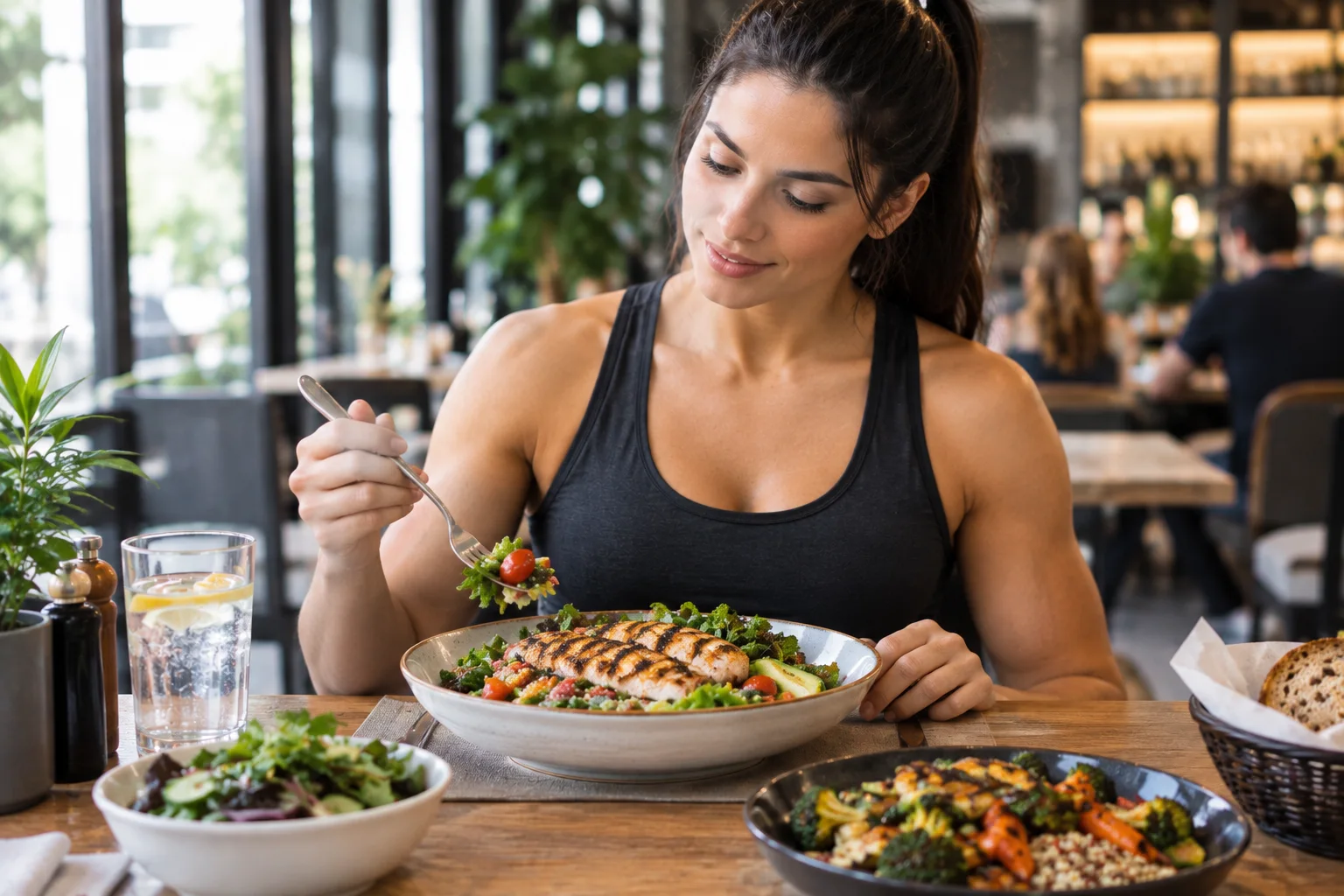
Eating out during a fat loss phase does not have to mean sacrificing your progress or avoiding social occasions. For athletes, bodybuilders, and fitness enthusiasts, the key is learning how to make restaurant meals fit into an overall nutrition strategy. At 5dfitness, the focus is on practical, evidence-based approaches that support fat loss without unnecessary food restrictions.
Listen
By understanding calorie intake, choosing protein-rich meals, managing portions, and planning ahead, you can enjoy restaurant food while maintaining consistency. The goal is not to make every meal perfect, but to develop eating habits that remain sustainable over time.

Can You Eat Out During a Fat Loss Phase Without Losing Progress?
Yes, you can eat at restaurants while losing body fat. Fat loss generally requires a sustained energy deficit, meaning that average energy intake remains below energy expenditure over time. One restaurant meal does not automatically determine your results; your overall eating pattern, activity, and consistency matter more. Restaurant meals can, however, contain more calories than expected because of cooking oils, sauces, large portions, and calorie-containing drinks. Understanding these factors allows you to make informed choices without eliminating your favorite foods. A flexible approach can make a fat loss plan easier to maintain while supporting social life and training performance.
How Does a Calorie Deficit Affect Fat Loss?
A calorie deficit occurs when you consume less energy than your body uses over time. Restaurant meals can fit into this process if your overall intake remains consistent with your goal. However, estimating calories away from home can be difficult because portion sizes and preparation methods vary. Instead of expecting perfect accuracy, focus on repeatable habits: choose a satisfying main meal, include a protein source, consider vegetables, and pay attention to calorie-dense extras. The National Institute of Diabetes and Digestive and Kidney Diseases emphasizes sustainable eating patterns for weight management. A practical plan should also provide enough energy and nutrients to support exercise and recovery.
Why Should You Avoid Overreacting to One High-Calorie Meal?
Eating more than planned at one meal does not mean your fat loss phase has failed. Body weight can fluctuate temporarily after restaurant meals because of sodium intake, carbohydrate storage, food volume, and fluid balance. These short-term changes do not necessarily represent an equivalent increase in body fat. Avoid responding by skipping meals, severely restricting calories, or adding excessive exercise the following day. Instead, return to your normal eating routine and evaluate progress over several weeks. A consistent approach is generally more useful than alternating between strict restriction and overeating. If food tracking creates anxiety or compulsive behavior, consider working with a registered dietitian who understands your goals.
How Should You Plan Restaurant Meals During Fat Loss?
Planning ahead makes it easier to choose a satisfying meal without making decisions under pressure. When possible, review the restaurant menu online and identify a few options that fit your preferences and nutritional needs. Consider the type of restaurant, the likely portion size, your training schedule, and how hungry you expect to be. You do not need to calculate every ingredient precisely to make a reasonable choice. The Centers for Disease Control and Prevention recommends planning orders in advance and making deliberate choices when eating out. A simple plan can help you balance calorie intake, protein, vegetables, and enjoyment without turning a social meal into a stressful event.
How Can You Estimate Restaurant Calories and Macronutrients?
Start with published nutrition information when the restaurant provides it. If detailed data are unavailable, estimate the main components separately: protein, carbohydrate sources, added fats, sauces, and drinks. Remember that grilled chicken with vegetables can still be calorie-dense if served with generous oil, creamy dressing, or a large side portion. Restaurant estimates are inherently imperfect, so avoid treating them as exact measurements. If you track food, record a reasonable estimate and remain consistent with your method rather than repeatedly adjusting numbers to achieve false precision. The purpose of tracking is to inform decisions and identify patterns, not to create unnecessary pressure around every meal.
Should You Eat Less Before Going to a Restaurant?
Avoid skipping meals simply to save calories for dinner. Arriving extremely hungry can make it harder to recognize comfortable fullness or choose a meal that matches your needs. If dinner will be later than usual, a normal meal or a balanced snack containing protein and fiber may help manage hunger. You can plan your day’s intake around the restaurant meal without intentionally starving yourself. For example, choose regular meals with lean protein, fruit, vegetables, and other foods that support your training. The objective is to distribute food sensibly across the day while preserving adequate energy, not to compensate for an upcoming meal through extreme restriction.

What Should You Order at a Restaurant During a Fat Loss Phase?
A useful starting point is to select a protein source, add vegetables when available, and choose a carbohydrate portion that matches your appetite and activity needs. Grilled, baked, steamed, or roasted dishes can make it easier to manage added fats, although preparation methods and serving sizes still matter. You do not need to avoid bread, rice, potatoes, pasta, or desserts completely. Instead, consider how the entire meal fits into your overall nutrition plan. As the NHS explains in its healthy eating guidance, sustainable weight management depends on a balanced eating pattern and appropriate portions rather than a single perfect food choice.
How Can You Choose High-Protein Restaurant Meals?
Protein supports muscle repair and helps preserve lean mass during a fat loss phase, particularly when combined with appropriate resistance training. Restaurant options may include grilled chicken, fish, lean beef, eggs, tofu, beans, or other protein-rich ingredients. Choose a portion that suits your individual needs instead of assuming that the largest serving is always better. Bodybuilders and athletes should consider their total daily protein intake and training demands, not just the protein content of one meal. If a dish contains a suitable protein source but comes with a heavy sauce or oversized side, you can often request the sauce separately or adjust the sides to create a more balanced meal.
How Can You Manage Sauces, Sides, and Drinks?
Added oils, creamy sauces, cheese, dressings, fried sides, and sweetened drinks can contribute substantial energy without making a meal proportionally more filling. You do not have to eliminate them, but it helps to notice where they appear. Ask for dressing or sauce on the side, choose a side dish you genuinely enjoy, and consider water or a lower-calorie drink if that suits your preferences. The Cleveland Clinic advises diners to focus on balance and portion awareness. Registered dietitian Katherine Patton puts it this way: “Regardless of the restaurant, it’s important to watch your portions and look for balance in your meals.” Read more in the Cleveland Clinic restaurant guide.
How Can You Control Portions and Stay Within Your Calorie Target?
Restaurant portions may be larger than the amount you would normally eat at home. Managing them does not require strict measuring or refusing foods you enjoy. You can use visual cues, pause during the meal, and decide whether you are comfortably satisfied before continuing. It is also reasonable to share a dish, order a smaller portion when available, or save leftovers for another meal. The NIDDK portion guide distinguishes the amount you choose to eat from a standardized serving size. This distinction matters because restaurant portions can contain several servings, even when presented as one entrée.
How Can You Handle Desserts and Social Meals?
Decide what matters most to you about the occasion. You might prefer a main dish you enjoy, a shared dessert, or an appetizer with friends. You can include these choices in your overall plan without labeling foods as forbidden or treating the meal as a failure. If you want dessert, consider sharing it or choosing a portion that feels satisfying. Equally, you do not need to order dessert simply because others do. A sustainable fat loss phase leaves room for personal preferences and social experiences. The most useful strategy is one you can repeat comfortably, rather than a rigid set of rules that becomes difficult to maintain.
How-To: What Is a Simple Strategy for Ordering a Restaurant Meal?
Use this practical checklist when choosing your next meal:
- Review the menu: Identify a few options before arriving.
- Choose protein: Look for fish, lean meat, eggs, beans, or another suitable source.
- Balance the plate: Add vegetables and an appropriate carbohydrate portion.
- Check preparation: Consider grilled, baked, steamed, or roasted options.
- Manage extras: Ask for sauces separately and consider drinks and sides.
- Assess portions: Share, save leftovers, or choose a smaller size if appropriate.
- Enjoy the meal: Eat at a comfortable pace and pay attention to satisfaction.
- Return to routine: Continue your normal nutrition and training plan afterward.
What Should You Do After a High-Calorie Restaurant Meal?
The most useful response is usually to resume your normal routine. A single meal cannot tell you whether your overall plan is working, so evaluate progress using longer-term trends rather than one day’s intake or the next morning’s scale reading. Maintain regular meals, hydrate according to your needs, and continue your planned training without using exercise as punishment. If restaurant meals happen frequently, review your typical choices and portion patterns to identify adjustments that feel realistic. Consistency does not require perfection. For athletes, the plan must also support performance, recovery, and adequate nutrient intake, rather than prioritizing the lowest possible calorie intake at every opportunity.
How Can You Balance Restaurant Meals With Training and Recovery?
Consider your training schedule when selecting meal size and composition. After a demanding workout, a meal containing protein and carbohydrate can help support muscle repair and replenish energy stores. You do not need to choose the lowest-calorie option if it leaves you inadequately fueled. Instead, match the meal to your energy needs, training load, and overall daily intake. If you are in a demanding cutting phase, avoid making your deficit unnecessarily aggressive, as inadequate energy intake can affect recovery and performance. Athletes with specific body-composition goals may benefit from individualized guidance from a qualified sports dietitian.
Conclusion
Eating out during a fat loss phase is compatible with a sustainable fitness lifestyle. Planning ahead, choosing protein-rich meals, managing portions, and being aware of sauces and drinks can make restaurant dining easier to fit into your nutrition goals. You do not need to eliminate favorite foods or compensate for every higher-calorie meal. Focus on consistent habits, adequate fueling, and progress over time. With practical nutrition guidance from 5dfitness, athletes and fitness enthusiasts can approach restaurant meals with greater confidence while keeping long-term body-composition and performance goals in view.
Frequently Asked Questions
Yes. Restaurant food can fit into a fat loss plan when your overall energy intake, food quality, and activity support your goal over time.
There is no single best meal. A suitable protein source, vegetables, an appropriate carbohydrate portion, and manageable amounts of added fats can create a balanced option.
Not necessarily. Skipping meals can leave you excessively hungry. Regular meals and a balanced snack, if needed, may help you make more comfortable choices later.
One meal does not automatically stop progress. Your longer-term eating pattern matters more than a single meal, although frequent large calorie surpluses can affect results.
Do not use exercise as punishment. Return to your usual training plan and eating routine, and assess your progress over time.
Prioritize adequate protein, manage portions and calorie-dense extras, and maintain sufficient energy for training and recovery. Individual needs vary with body size, training load, and goals.