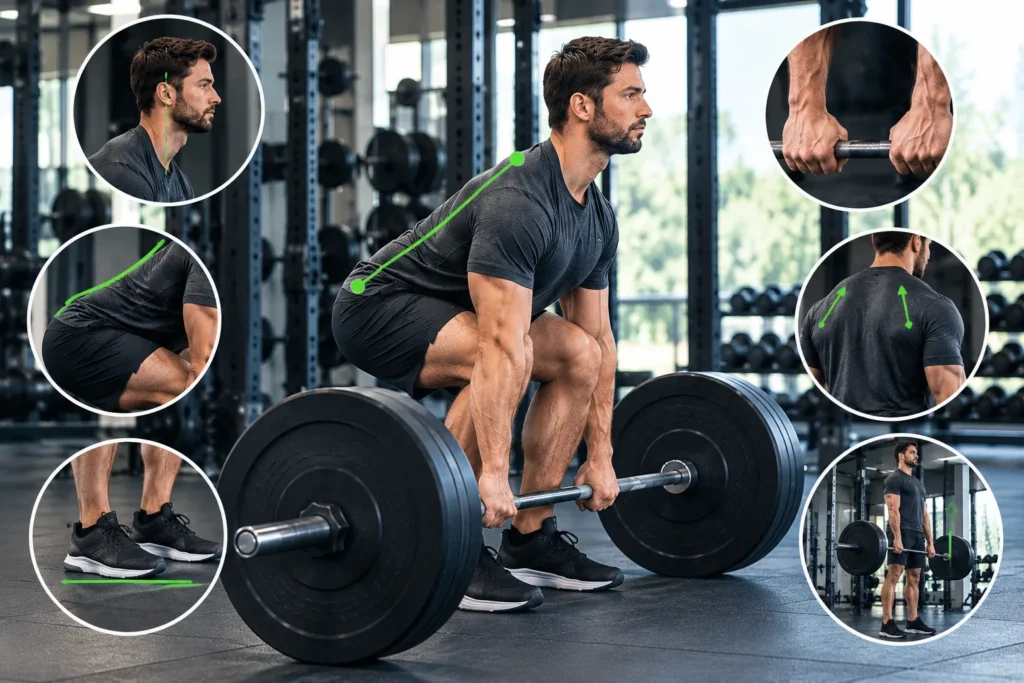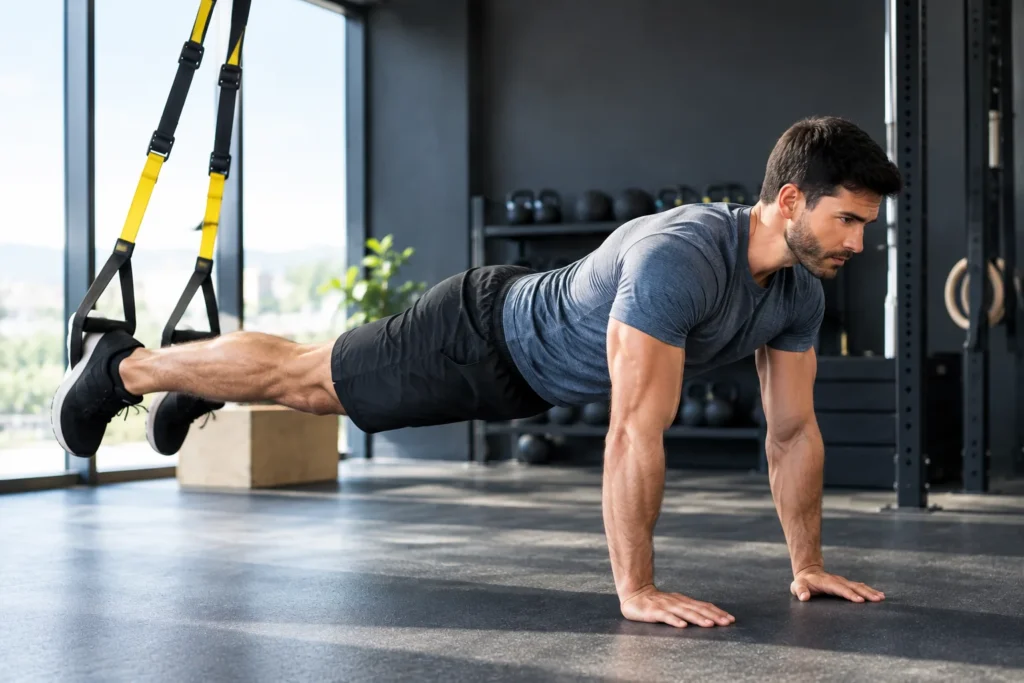
The core bracing technique is an important skill for athletes, bodybuilders, and anyone who performs heavy resistance training. It involves coordinating the muscles around the abdomen and trunk to create stiffness and maintain control while lifting. Unlike simply tightening the stomach, effective bracing involves the abdominal wall, diaphragm, back muscles, and pelvic floor working together.
This coordination can help support the spine and transfer force during demanding exercises such as squats and deadlifts. At 5dfitness, understanding this technique is part of building safer, more effective strength-training habits based on sound exercise principles.

What Is the Core Bracing Technique and How Does It Work?
Core bracing is the coordinated contraction of muscles around the trunk to create a firm, stable torso. It helps the body resist unwanted movement when external loads challenge posture and balance. The technique involves more than the abdominal muscles: the diaphragm, pelvic floor, spinal muscles, and abdominal wall contribute to trunk control. Bracing can also increase intra-abdominal pressure, which works alongside muscular activity to support the trunk. Rather than pulling the stomach inward, the goal is to create controlled tension around the midsection while maintaining a position appropriate for the exercise.
What Does It Mean to Brace Your Core?
Bracing means contracting the muscles around your midsection as if preparing your torso to resist an external force. Imagine someone is about to gently push your stomach: you would tighten the abdominal wall without excessively sucking your stomach inward or changing your posture.
This contraction involves the rectus abdominis, internal and external obliques, and transversus abdominis, alongside supporting muscles of the back. The aim is to create tension around the trunk rather than relying on one muscle in isolation.
Effective bracing should be firm but controlled. Excessive tension can interfere with movement and breathing, while insufficient tension may make it harder to maintain trunk position under load. The appropriate level depends on the exercise, weight, and individual ability.
How Does Intra-Abdominal Pressure Support Trunk Stability?
Intra-abdominal pressure (IAP) refers to pressure within the abdominal cavity. During bracing, coordinated activity of the diaphragm, abdominal muscles, and pelvic floor helps regulate this pressure. Together with trunk muscle contraction, it contributes to the stiffness needed to resist unwanted movement during lifting.
The Canadian Society for Exercise Physiology explains: “Core stability can be achieved with a combination of muscle activation and intra-abdominal pressure.” This highlights that stability is not produced by abdominal contraction alone.
IAP should not be treated as a target that must be maximized during every exercise. The practical goal is coordinated pressure and muscular tension appropriate to the load and task. Breathing strategy, posture, and lifting technique remain important parts of the process.
Why Is Core Bracing Important for Heavy Lifting?
Heavy compound exercises place substantial demands on the trunk because the body must control external resistance while coordinating movement across multiple joints. Core bracing helps create a more stable connection between the upper and lower body, allowing force to be transferred through the torso. It can also help lifters maintain a consistent trunk position during demanding repetitions. However, bracing does not make every load safe or guarantee injury prevention. Its value comes from improving control and supporting sound lifting mechanics when combined with appropriate programming, technique, and load progression.
How Does Core Bracing Support the Spine During Heavy Lifting?
During exercises such as squats and deadlifts, the spine and surrounding muscles must manage forces created by the weight and body movement. Bracing increases coordinated muscle activity around the trunk, helping resist unwanted bending, twisting, or loss of position.
A 2007 biomechanical study by Grenier and McGill found that an abdominal brace improved modeled spinal stability compared with an abdominal hollowing strategy under the tested conditions. However, the study involved a small sample and laboratory modeling, so its findings should not be interpreted as proof that bracing prevents injuries in every lifter.
The practical lesson is to develop enough trunk tension to control the movement while maintaining a comfortable, repeatable technique. Bracing supports lifting mechanics; it does not replace sensible loading or appropriate recovery.
How Does Trunk Stability Improve Lifting Performance?
Many strength exercises require the legs, hips, and upper body to work together. If the trunk cannot maintain sufficient control, force transfer between these areas may become less efficient. Bracing helps create a stable base from which the limbs can produce and manage force.
For example, during a deadlift, the lifter needs to maintain trunk control while the hips and knees extend. During an overhead press, the trunk helps resist excessive extension as the weight moves above the head.
A stable torso does not mean keeping the spine completely motionless. The goal is to control movement and maintain an appropriate position for the exercise. Better bracing can support consistency, but performance also depends on strength, mobility, coordination, and training experience.
How Do You Perform the Core Bracing Technique Correctly?
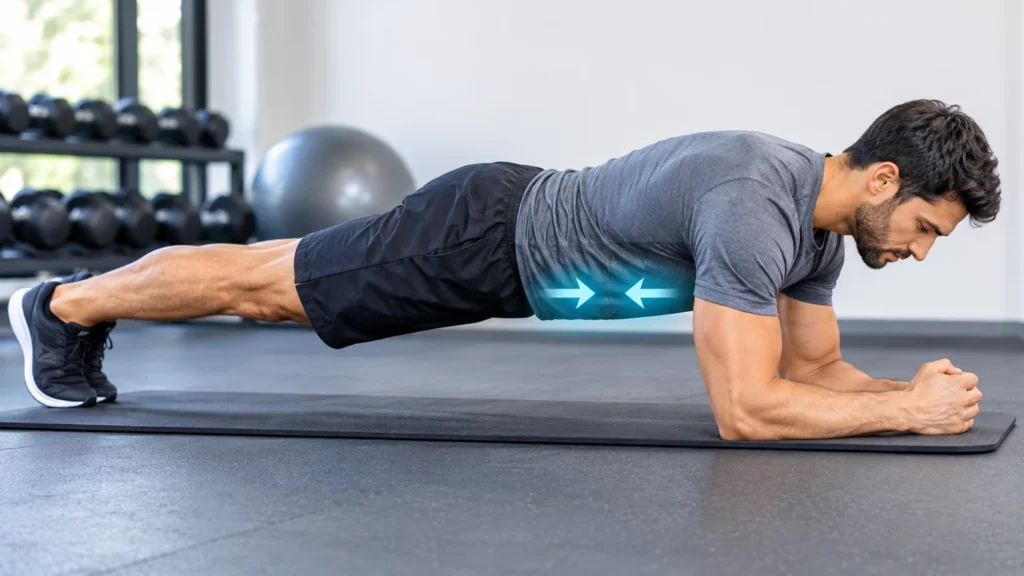
Learning to brace effectively starts with understanding how to create tension without unnecessarily holding the breath or changing the natural position of the spine. Beginners should first practise with light resistance or simple bodyweight positions before applying the technique to heavy compound lifts. A useful starting point is to breathe into the abdomen and sides of the trunk, gently contract the abdominal wall, and maintain that tension while performing a controlled movement. As coordination improves, the same skill can be applied to progressively heavier exercises.
How Should You Breathe While Bracing Your Core?
Begin by taking a controlled breath that expands the abdomen and sides of the trunk rather than lifting only the chest. Then contract the abdominal wall as if preparing to resist pressure. The aim is to maintain trunk tension while keeping the rib cage and pelvis in a controlled position.
For lighter exercises, you can often continue breathing throughout the movement while maintaining a moderate level of bracing. During heavier lifts, some experienced lifters use a brief breath-holding strategy to increase trunk stiffness. This is commonly associated with the Valsalva maneuver, but it can cause substantial changes in blood pressure.
People with hypertension or cardiovascular conditions should seek professional guidance before using breath-holding strategies under heavy loads. For most beginners, controlled breathing and gradual practice are the best starting points.
What Is the Difference Between Core Bracing and Abdominal Hollowing?
Bracing and hollowing are two different abdominal activation strategies. Bracing involves a broader contraction of the abdominal wall and trunk muscles. Hollowing generally involves drawing the abdominal wall inward to emphasize selective activation of deeper abdominal muscles.
A 2024 scoping review of clinical trials describes the distinction: “AB promotes a broader co-contraction of trunk muscles.” The review also notes that hollowing is often associated with more selective activation of the transversus abdominis.
Neither method is universally superior for every purpose. Hollowing can be useful when practising selective muscle control, while bracing is commonly applied when a task requires broader trunk stiffness and force transfer, such as heavy lifting.
How Can You Apply Core Bracing to Squats and Deadlifts?
The core bracing technique becomes especially useful when applied to compound exercises that challenge trunk control. The exact timing and intensity of bracing depend on the movement, load, and individual technique. In general, lifters should establish trunk tension before the most demanding part of a repetition and maintain appropriate control throughout the movement. Practising with lighter loads first helps build consistency before increasing resistance. Bracing should support the movement rather than make it rigid or uncomfortable.
How Should You Brace Your Core During Squats?
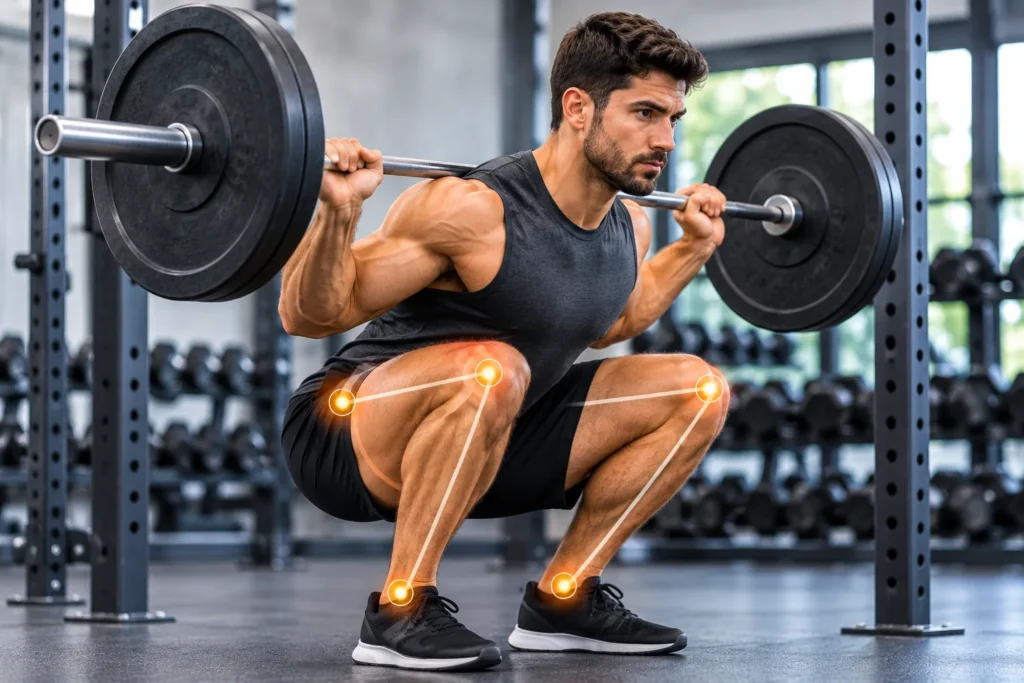
Before starting a squat repetition, position your feet, establish a balanced stance, and take a controlled breath. Brace your midsection so that the torso feels firm, then begin the descent while maintaining control of your trunk.
During the squat, avoid allowing the torso to collapse or the lower back to move into an uncontrolled position. Your spine does not need to remain perfectly vertical; the appropriate torso angle depends on your body proportions and squat variation.
As you drive upward, maintain enough tension to control the load. Reset your breath and brace between repetitions when needed. Beginners should practise with bodyweight squats or light resistance before progressing to heavier barbell variations.
How Do You Maintain Core Bracing During Deadlifts?
For a deadlift, approach the bar and establish your starting position before lifting. Grip the bar, position your hips and shoulders appropriately, and create tension through your trunk. Take a breath that expands the abdominal area, then brace before initiating the pull.
As the bar leaves the floor, maintain trunk tension and keep the bar close to your body. Avoid allowing the lower back to change position abruptly under load. At the top, finish the movement with controlled hip and knee extension rather than leaning excessively backward.
Lower the bar with control and reset your position before the next repetition. If your bracing repeatedly fails or your technique deteriorates, reduce the load and rebuild consistency.
What Mistakes Should You Avoid When Practicing Core Bracing?
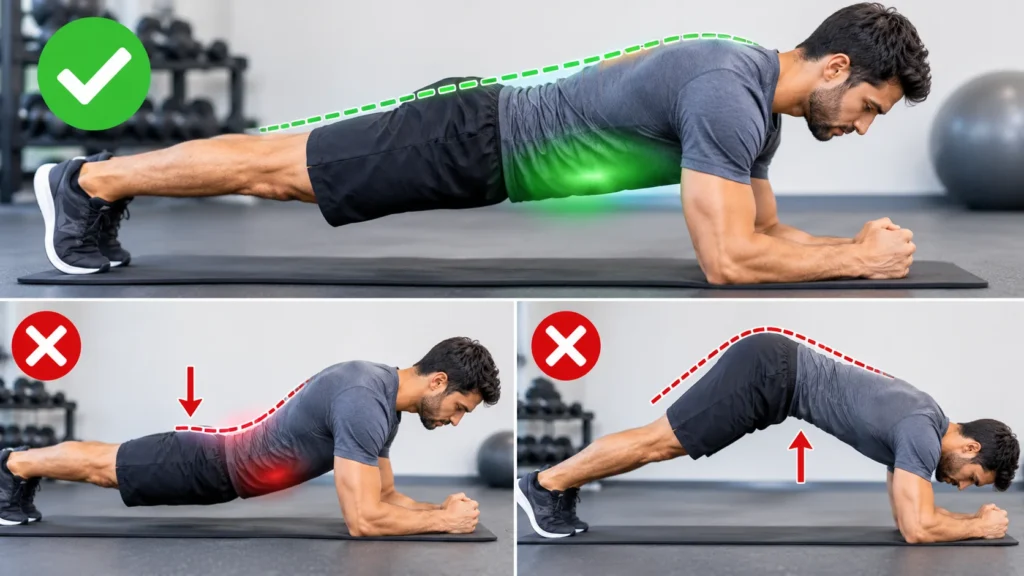
Core bracing is a skill that improves through practice, feedback, and appropriate progression. Common errors include pulling the stomach inward instead of creating circumferential tension, holding the breath for too long, over-contracting the abdominal muscles, and attempting heavy loads before mastering the technique. Bracing should also be adapted to the exercise rather than applied with maximum effort in every situation. Understanding these mistakes can help lifters improve trunk control while maintaining comfortable breathing and consistent movement mechanics.
Which Exercises Can Help You Improve Core Bracing?
Start with exercises that allow you to practise trunk tension without managing heavy external loads. Useful options include:
- Dead Bug: Practise maintaining trunk control while moving opposite limbs.
- Bird Dog: Develop coordination while resisting unwanted trunk rotation.
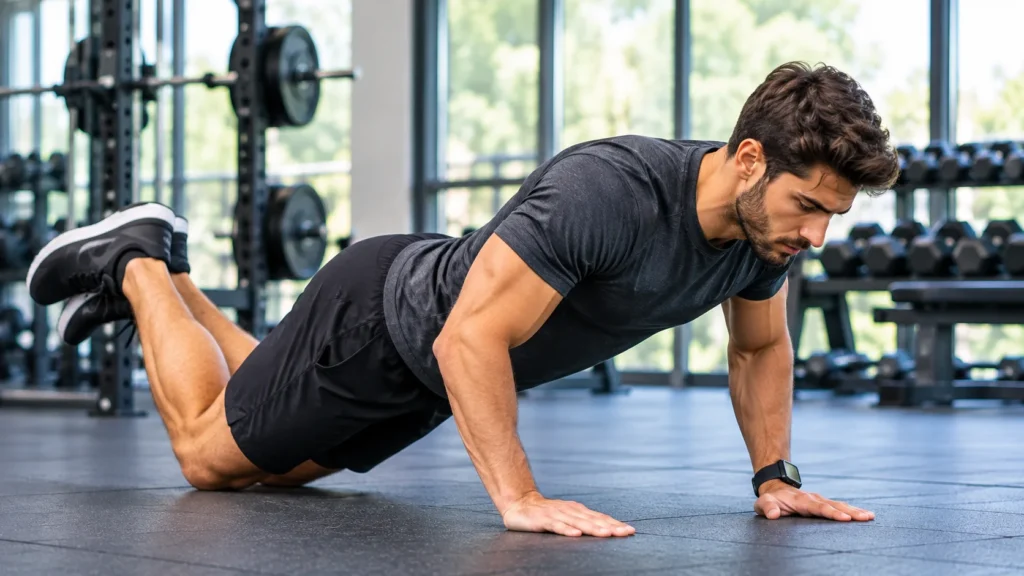
- Plank: Build endurance in the muscles that support the torso.
- Side Plank: Challenge lateral trunk stability.
- Pallof Press: Practise resisting rotational forces with a resistance band or cable.
Perform these exercises with controlled movement and appropriate difficulty. The goal is not simply to hold a position for as long as possible. Focus on maintaining alignment, breathing appropriately, and resisting unwanted movement. As control improves, integrate bracing into progressively more demanding resistance exercises.
A Simple Core Bracing Practice Routine
- Lie on your back with your knees bent and feet on the floor.
- Take a controlled breath, allowing your abdomen and sides to expand.
- Gently contract your abdominal muscles without sucking your stomach inward.
- Maintain trunk tension while continuing to breathe comfortably.
- Practise the same action during a dead bug or bodyweight squat.
- Gradually apply the technique to light resistance exercises before attempting heavy lifts.
Conclusion
The core bracing technique is a practical skill that helps lifters create trunk stiffness, coordinate abdominal muscle activity, and maintain control under resistance. By combining muscular contraction with appropriate breathing, athletes can develop better trunk stability during exercises such as squats, deadlifts, and overhead presses.
However, effective bracing is not about holding the breath or tightening the stomach as hard as possible. It requires coordination, suitable technique, and gradual practice. 5dfitness encourages athletes and fitness enthusiasts to develop these fundamentals alongside progressive strength training and sound recovery habits.
Frequently Asked Questions
It is the coordinated contraction of trunk muscles to create stability and control during movement or lifting.
Not necessarily at maximum intensity. The level of bracing should match the exercise, resistance, and stability demands.
It can support trunk stability and lifting mechanics, but it cannot guarantee injury prevention.
For many exercises, yes. Controlled breathing can be maintained with moderate bracing. Heavy lifting may involve different breathing strategies that require appropriate experience and caution.
They serve different purposes. Bracing creates broader trunk co-contraction, while hollowing emphasizes more selective activation of deeper abdominal muscles.
Yes. Beginners can practise with simple breathing drills, dead bugs, planks, and light resistance before progressing to heavy lifting.