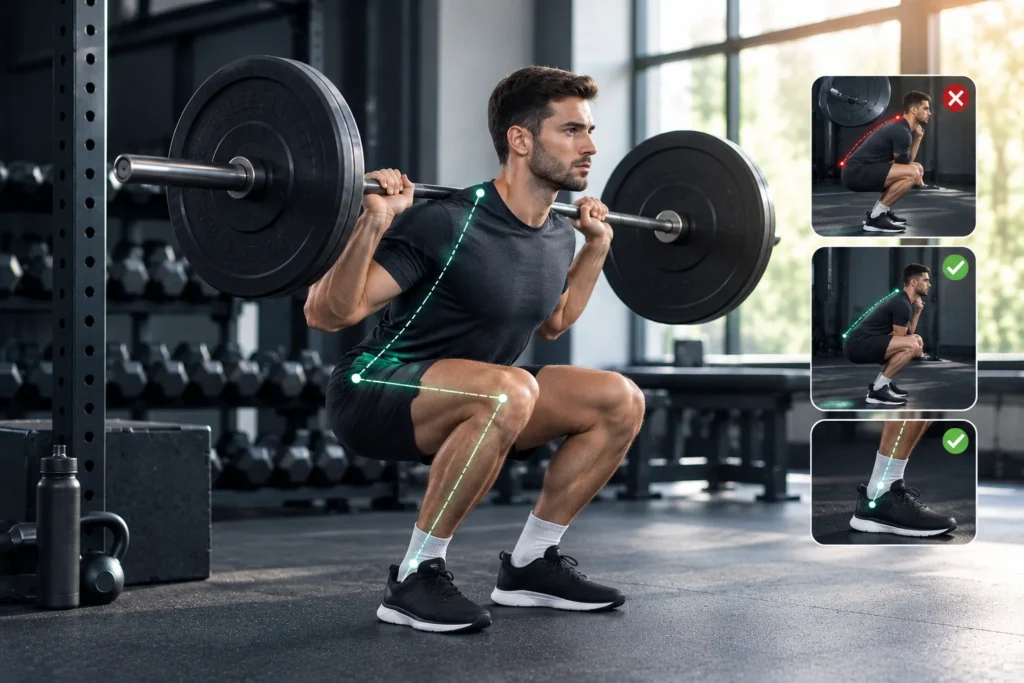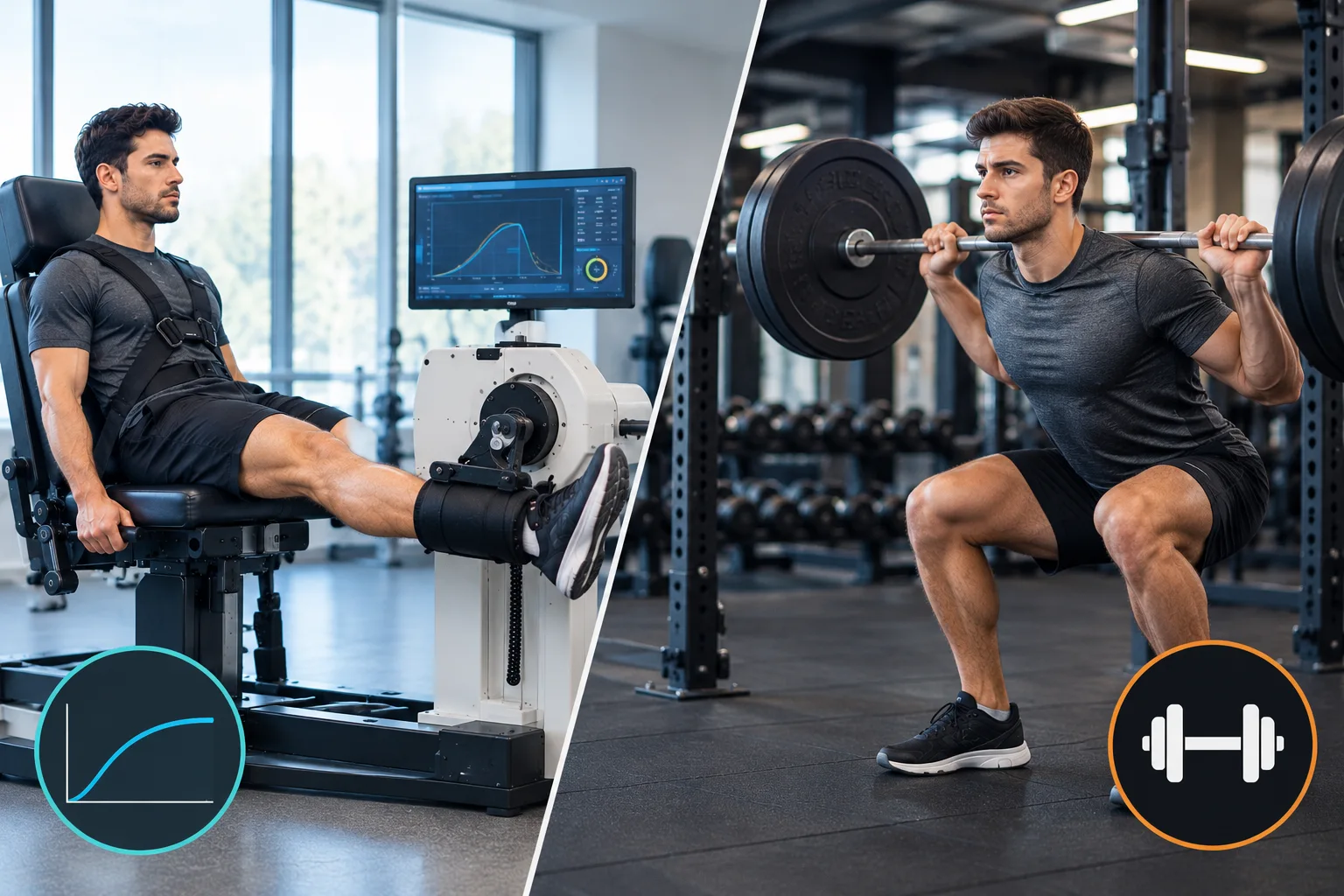
Isokinetic training is a specialized exercise method in which a machine controls movement speed while adjusting resistance to the force produced by the user. It is commonly used for muscle strength assessment, rehabilitation, and sports performance testing. Unlike conventional weight training, it requires specialized equipment that measures muscular output under controlled conditions.
Listen
For athletes, bodybuilders, and fitness enthusiasts, understanding isokinetic training helps clarify when this method is useful, how it compares with other resistance exercises, and why it is not necessary for every fitness goal. At 5dfitness, our goal is to make exercise science practical and accessible.
What Is Isokinetic Training and How Does It Work?
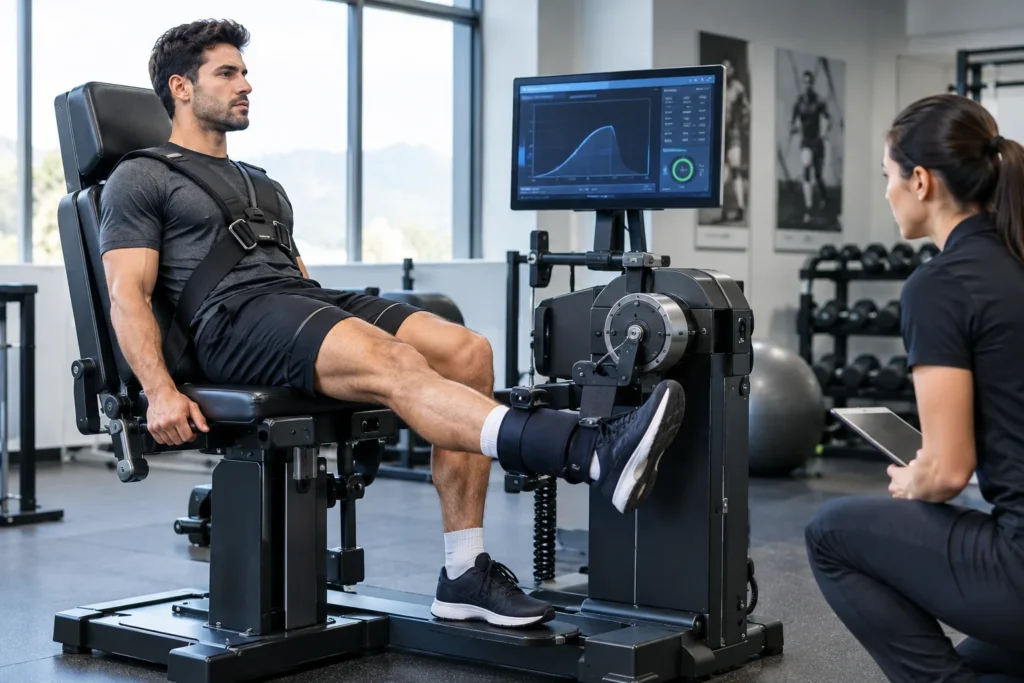
Isokinetic training involves moving a joint through a controlled range of motion at a preset angular velocity. A specialized device, called an isokinetic dynamometer, adjusts resistance to accommodate the force produced throughout the movement. Unlike traditional resistance exercises, where movement speed can vary, the machine maintains the selected speed when the user applies sufficient force.
This makes the method useful for evaluating muscular performance and delivering controlled resistance. However, isokinetic exercise requires proper positioning, equipment calibration, and professional supervision when used for clinical assessment or rehabilitation.
How Does an Isokinetic Dynamometer Control Movement Speed?
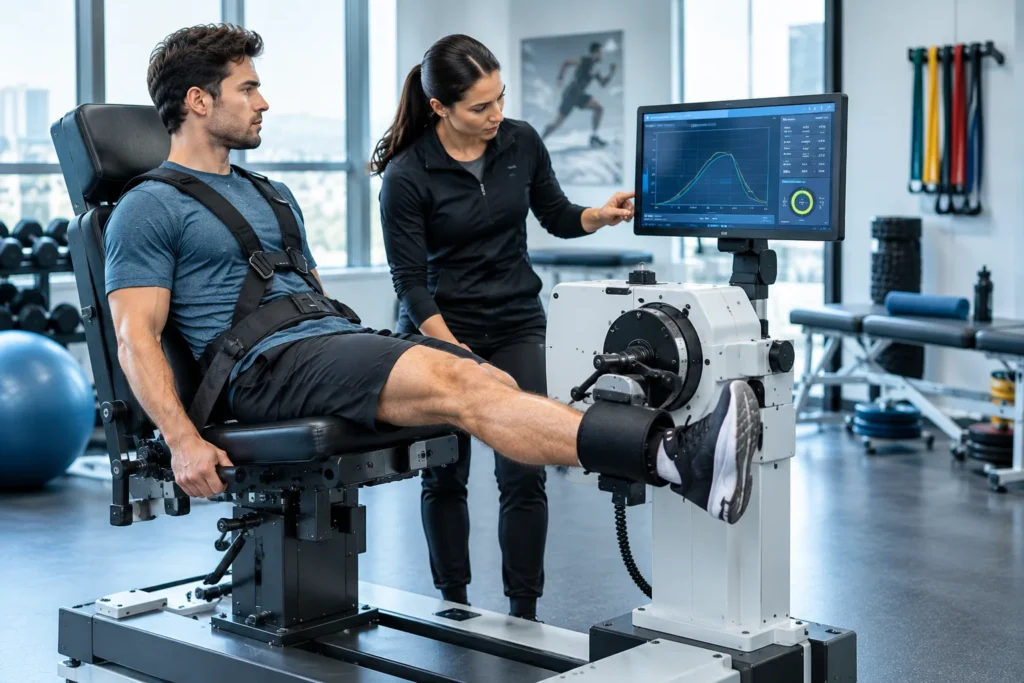
An isokinetic dynamometer controls the speed of a movement while providing accommodating resistance. For example, during a knee-extension test, the user straightens the knee against the machine’s resistance. The device records variables such as torque, angular velocity, and performance across repetitions. These measurements can help professionals assess muscle function and compare results between testing sessions.
A review by Baltzopoulos and Brodie explains that isokinetic contraction involves:
“constant velocity limb movements around a joint.”
Read the review in Sports Medicine
The machine does not automatically make every exercise safe or effective. Correct joint alignment, stabilization, range of motion, and test protocols remain essential. Results can also be influenced by familiarization, fatigue, and measurement procedures.
What Are the Main Benefits of Isokinetic Training?
Isokinetic training offers controlled conditions for evaluating muscle strength and delivering resistance throughout a movement. Its value is particularly relevant when practitioners need objective measurements rather than relying solely on visual assessment or subjective reports. The equipment can help identify changes in muscular performance over time and assess differences between opposing muscle groups. It can also provide structured resistance during selected rehabilitation programs. However, benefits depend on the individual, the protocol, and the outcome being measured. Isokinetic training should complement an appropriate exercise plan rather than replace every form of resistance training.
How Can Isokinetic Training Help Assess Muscle Strength?
One major benefit is the ability to measure muscular torque at specified movement speeds. For example, a sports rehabilitation professional may assess knee flexor and extensor strength after an injury. Comparing results can help identify strength differences and track progress during rehabilitation.
A systematic review of shoulder strength testing found that the reliability of isokinetic dynamometry was generally sufficient across the conditions examined, although measurement error and evidence quality varied. Read the systematic review.
These measurements are useful, but they should not be interpreted in isolation. A strength test cannot fully reproduce the coordination, balance, decision-making, and movement demands of competitive sport. Professionals should combine dynamometer results with functional assessments, clinical findings, and the athlete’s overall progress.
When Is Isokinetic Training Used in Sports and Rehabilitation?
Isokinetic training and testing are used in sports medicine, physical rehabilitation, and performance assessment when controlled resistance or detailed muscular measurements are needed. A clinician may use the equipment to assess strength following a knee injury, while a sports performance team may monitor muscle function during an athlete’s return-to-sport process. The method can also support research and the evaluation of specific training interventions. Its role depends on the person’s condition, sport, and rehabilitation goals. It is not a universal requirement after injury, and decisions about exercise progression should be made by appropriately qualified professionals.
How Is Isokinetic Training Used During Rehabilitation?
During rehabilitation, isokinetic equipment may help clinicians assess muscle function and introduce controlled resistance when appropriate. For example, following a knee injury, a rehabilitation professional might evaluate quadriceps and hamstring performance and use the results to inform the next stage of a recovery plan.
The selected range of motion, movement speed, and resistance depend on the injury, healing stage, symptoms, and clinical goals. Not every patient is ready for this method, and some conditions require different exercises or precautions. Isokinetic testing may provide useful information, but it does not independently determine whether a person is ready to return to competition.
A comprehensive rehabilitation plan typically combines strength assessment with balance, coordination, mobility, sport-specific movements, and gradual exposure to the demands of activity.
How Does Isokinetic Training Compare with Isotonic and Isometric Exercise?
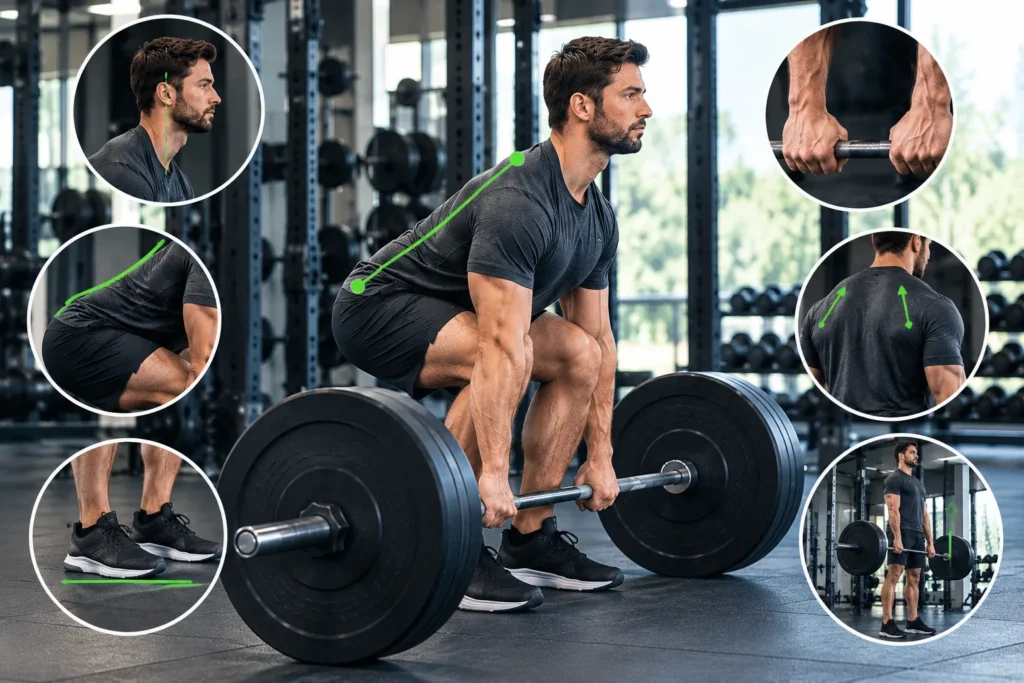
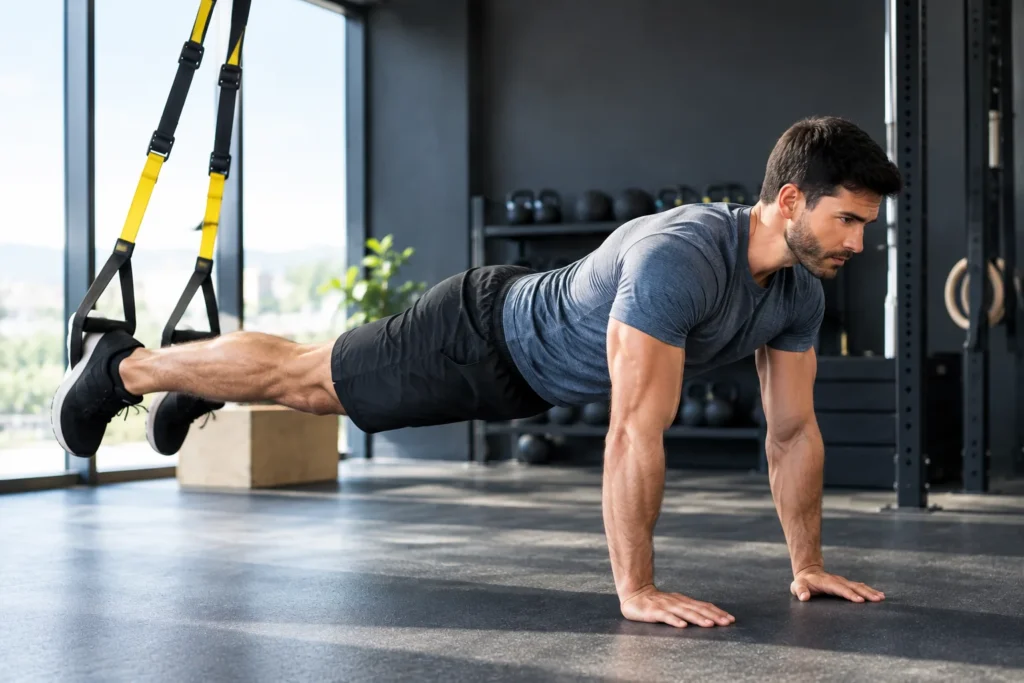
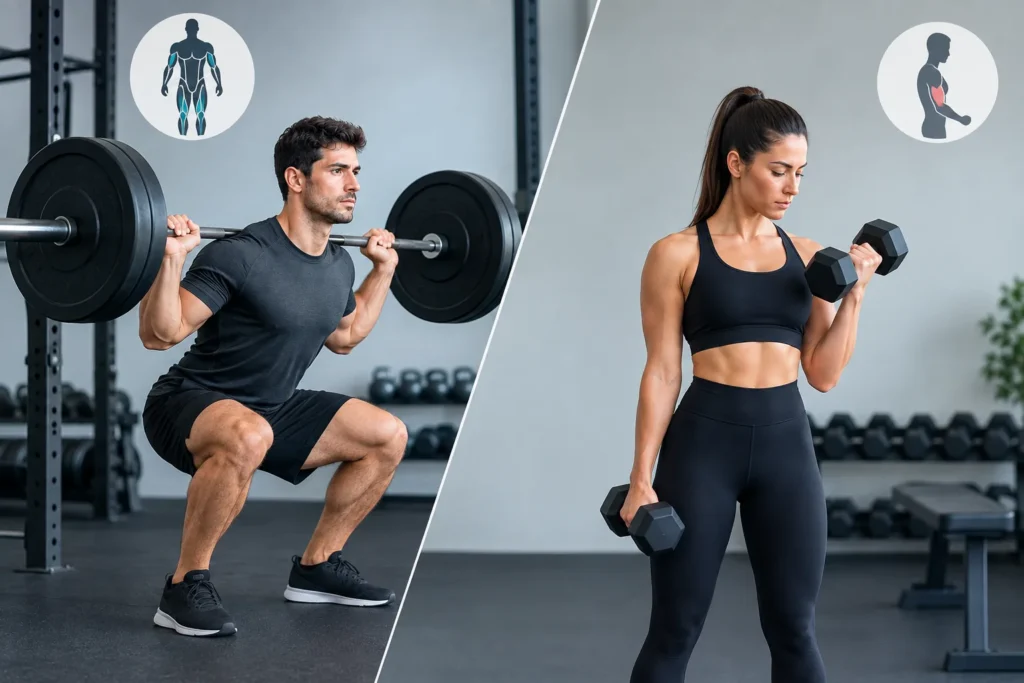
Isokinetic, isotonic, and isometric exercises differ in how movement and resistance are managed. Isokinetic exercise uses equipment to control movement speed. Isotonic exercise generally involves moving a resistance through a range of motion, as in a dumbbell curl. Isometric exercise produces muscular force without noticeable joint movement, as when holding a plank.
Each method can serve a different purpose, and no single approach is best for every training outcome. Choosing between them depends on the athlete’s goals, available equipment, rehabilitation needs, and the demands of the activity.
Which Training Method Is Best for Different Fitness Goals?
The following table summarizes their main differences.
| Feature | Isokinetic | Isotonic | Isometric |
|---|---|---|---|
| Movement | Controlled joint speed | Dynamic movement | No noticeable joint movement |
| Resistance | Adjusted by specialized equipment | External load or resistance | Force against an immovable resistance or held position |
| Equipment | Isokinetic dynamometer | Weights, machines, bands, or body weight | Body weight or fixed resistance |
| Common use | Muscle testing and specialized rehabilitation | General strength and muscle development | Position-specific strength and rehabilitation |
| Main limitation | Cost and limited access to equipment | Load and speed are not automatically controlled | Strength gains can be specific to joint angle |
A comparative study published in the Journal of Bodywork and Movement Therapies found different outcomes across the training methods examined, while also highlighting the challenge of standardizing comparisons. Read the study.
For general muscle development, conventional resistance training is often more accessible. Isokinetic training is particularly useful when controlled movement speed and detailed performance measurements are important.
What Are the Limitations of Isokinetic Training and Who Should Use It?
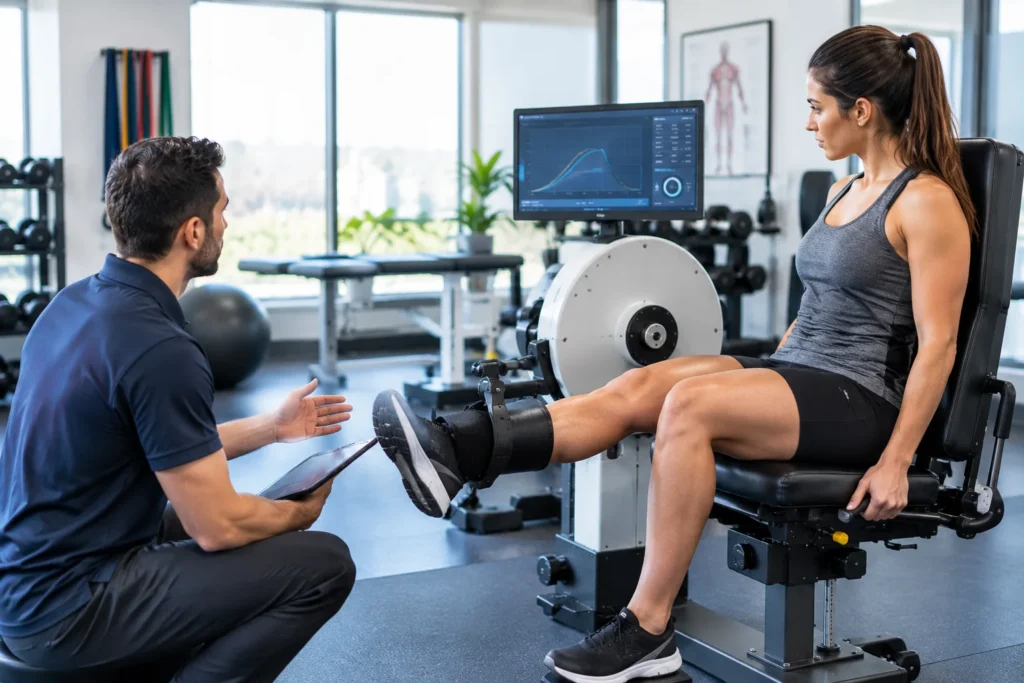
Despite its benefits, isokinetic training has practical limitations. Dynamometers are expensive, require specialist knowledge, and are not widely available in ordinary gyms. Testing can also take time, and results depend on standardized procedures. Furthermore, performance on a dynamometer does not necessarily reflect every aspect of real-world athletic ability.
For these reasons, the method is most appropriate when its controlled environment and measurement capabilities address a specific need. Athletes and recreational exercisers should consider whether their goals justify access to specialized equipment or whether conventional strength training can meet their needs more efficiently.
How Can You Decide Whether Isokinetic Training Is Right for You?
Use this simple process to determine whether the method is appropriate:
- Define your goal: Decide whether you need muscle-strength assessment, rehabilitation support, or specialized performance testing.
- Consult a qualified professional: A physiotherapist or sports medicine specialist can determine whether isokinetic testing or training is suitable.
- Consider accessibility: Evaluate whether the equipment is available and whether the benefits justify the time and cost.
- Review the results in context: Interpret strength measurements alongside functional performance and clinical findings.
- Integrate the method appropriately: Combine it with other exercises when needed to develop broader strength, coordination, and sport-specific ability.
Isokinetic training is not essential for every athlete or gym member. It is a specialized option whose usefulness depends on the question being addressed and the quality of the assessment or training program.
Conclusion
Isokinetic training is a specialized method that combines controlled movement speed with accommodating resistance. Its main strengths are objective muscle performance assessment and its potential role in selected rehabilitation and sports training programs. However, equipment costs, limited availability, and the need for standardized testing make it less practical for many everyday fitness goals.
The best approach is to select a training method based on individual needs, evidence, and professional guidance. Explore more evidence-informed fitness and performance guidance at 5dfitness, and choose training strategies that support your long-term goals.
Frequently Asked Questions
It is a form of exercise in which specialized equipment controls movement speed and adjusts resistance to the force produced.
It measures muscular performance, including torque at selected movement speeds, and can also be used for specialized training.
It can support selected rehabilitation programs, but suitability depends on the injury, recovery stage, and professional assessment.
It can provide resistance that supports strength adaptation, but muscle growth depends on the training program and other factors. It is not automatically superior to conventional resistance training.
Not universally. Isokinetic training offers controlled movement speed and detailed measurements, while isotonic training is generally more accessible and practical for everyday strength development.
Usually not. Beginners can develop strength through well-designed conventional resistance training unless a specific assessment or rehabilitation need calls for specialized equipment.