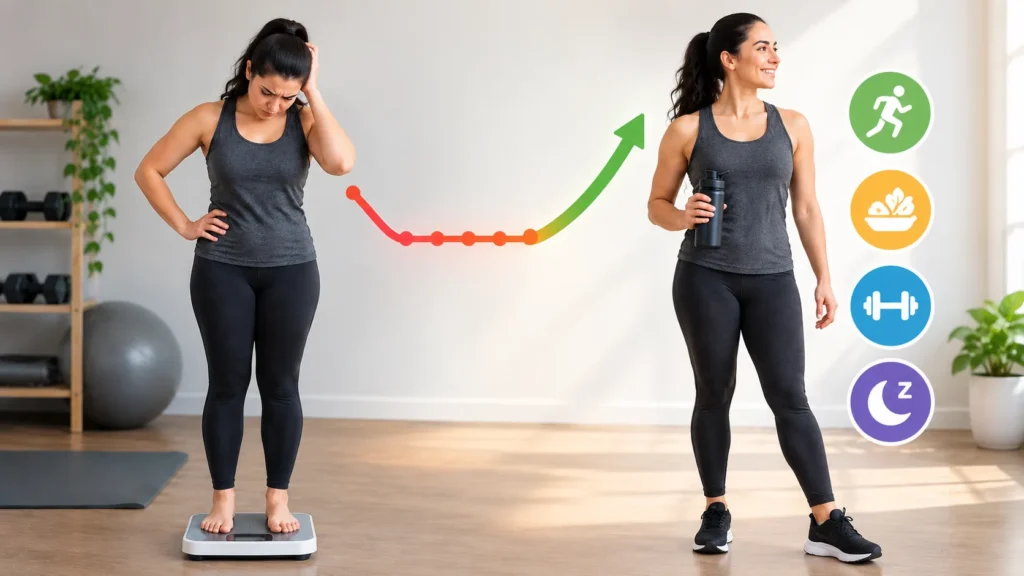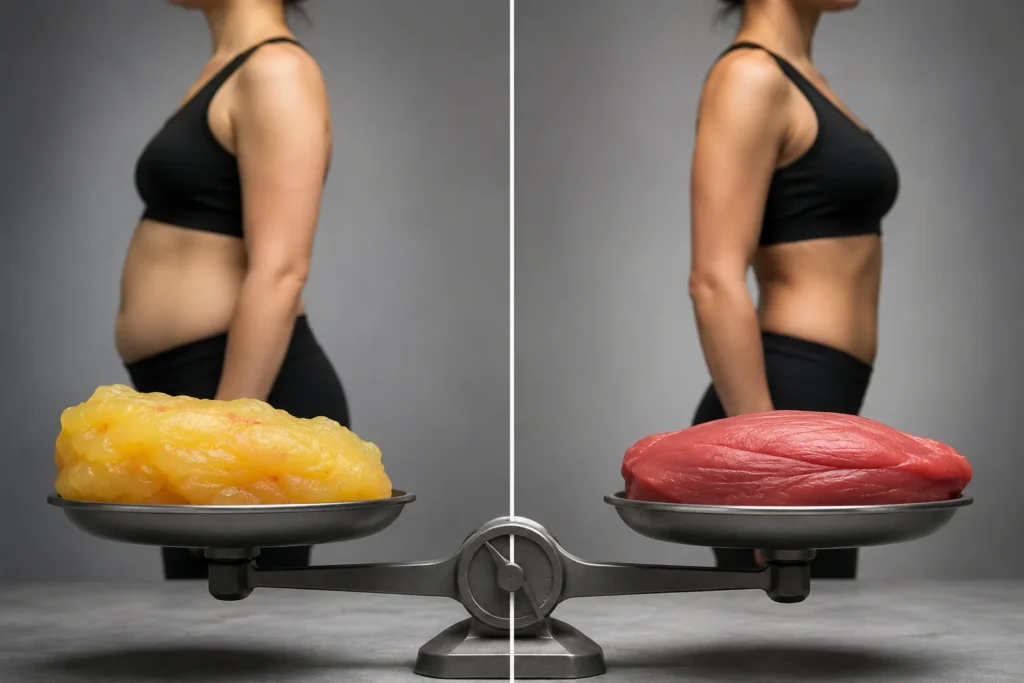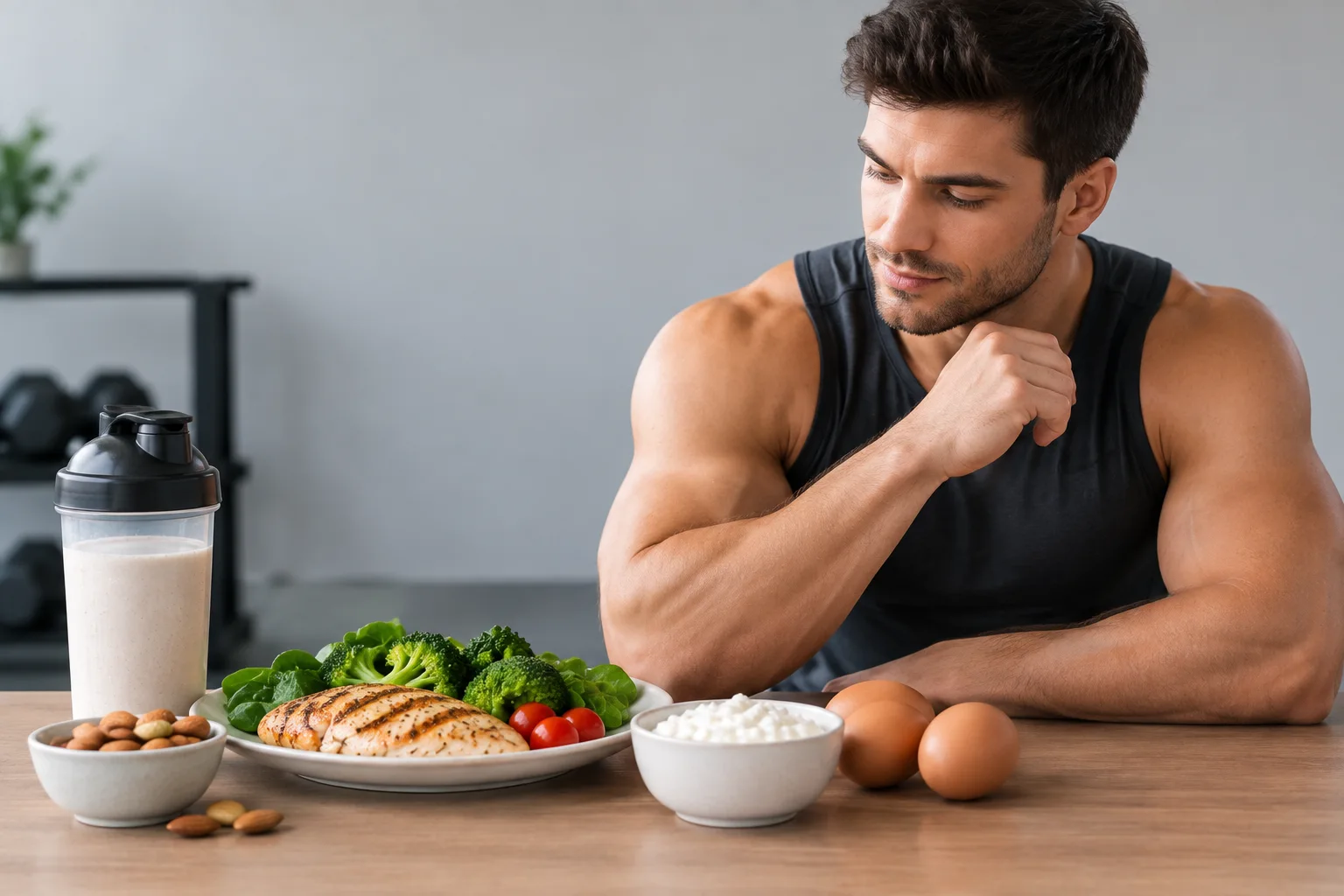
Choosing the right foods can make a calorie deficit easier to maintain, especially for athletes, bodybuilders, and fitness enthusiasts who want to reduce body fat without unnecessarily sacrificing muscle. High protein foods for fat loss can support satiety, provide essential amino acids, and help preserve lean tissue during weight reduction.
However, protein alone does not cause fat loss; total energy intake, food quality, training, sleep, and long-term consistency also matter. For 5dfitness readers, the goal is therefore not simply to eat more protein, but to select protein-rich foods that fit a balanced, calorie-controlled diet.
What Are the Best High-Protein Foods for Fat Loss?
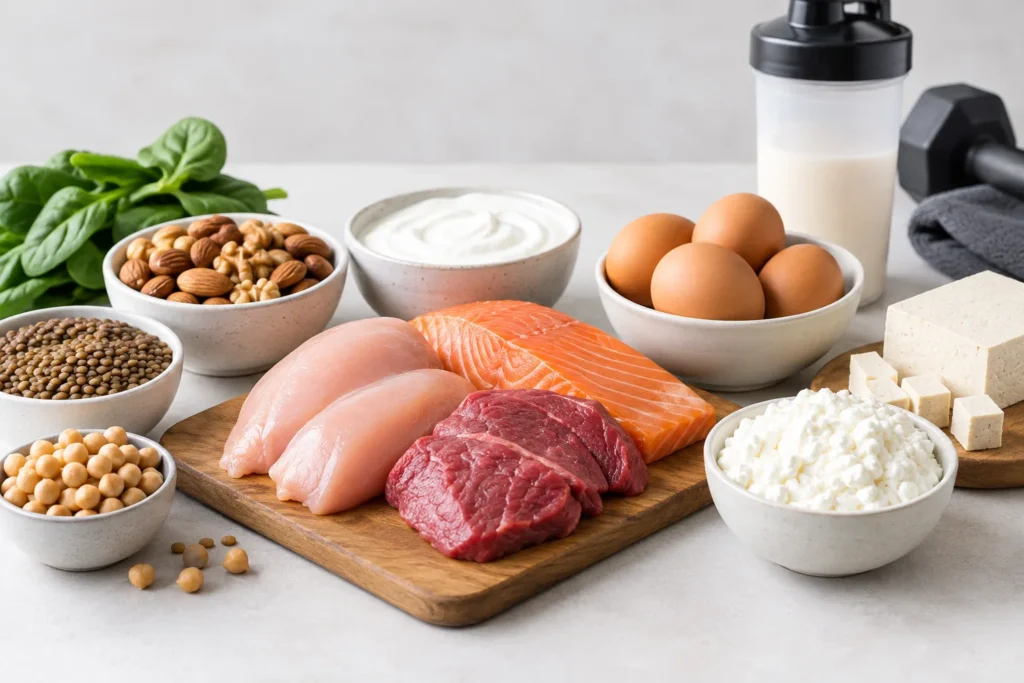
The best high-protein foods for fat loss generally provide a substantial amount of protein without adding excessive calories, while also fitting easily into a sustainable eating pattern. Lean meats, fish, eggs, Greek yogurt, cottage cheese, legumes, tofu, and other protein-rich foods can all have a place in a fat-loss diet. The best choice depends on the food’s protein content, calorie density, portion size, preparation method, and your dietary preferences. Instead of looking for one “perfect” protein food, it is more useful to build a varied diet around several practical protein sources.
Which Animal-Based Foods Are High in Protein and Suitable for Fat Loss?
Chicken breast, turkey, tuna, white fish, eggs, Greek yogurt, cottage cheese, and lean cuts of beef are practical animal-based protein sources. Their usefulness depends on the specific product and preparation method. For example, grilled or baked chicken can provide substantial protein without the added calories that may come from frying or heavy sauces. Fish can also contribute protein while providing different micronutrients and, in the case of fatty fish such as salmon, beneficial unsaturated fats.
Eggs and dairy foods can be particularly convenient for breakfast or snacks. However, calorie content still matters. A high-protein food can become much more calorie-dense when combined with large amounts of oil, cheese, creamy sauces, or sugary ingredients. For fat loss, therefore, the preparation method is often almost as important as the protein source itself.
Which Plant-Based Foods Can Provide Protein During Fat Loss?
Plant-based protein sources such as lentils, beans, chickpeas, tofu, tempeh, and edamame can contribute significantly to a fat-loss diet. Legumes have an additional advantage because they provide dietary fiber and can contribute to fullness, making them useful components of balanced meals. Tofu and tempeh are also versatile options for people following vegetarian or vegan diets.
Plant proteins should not be judged only by their protein content. The complete nutritional profile matters, including fiber, carbohydrates, fats, micronutrients, and total calories. Combining different plant foods throughout the day can help create a varied protein intake. For athletes following plant-based diets, meal planning is particularly important because some plant foods provide less protein per calorie than concentrated animal-based sources.
Which High-Protein Foods Are Low in Calories?
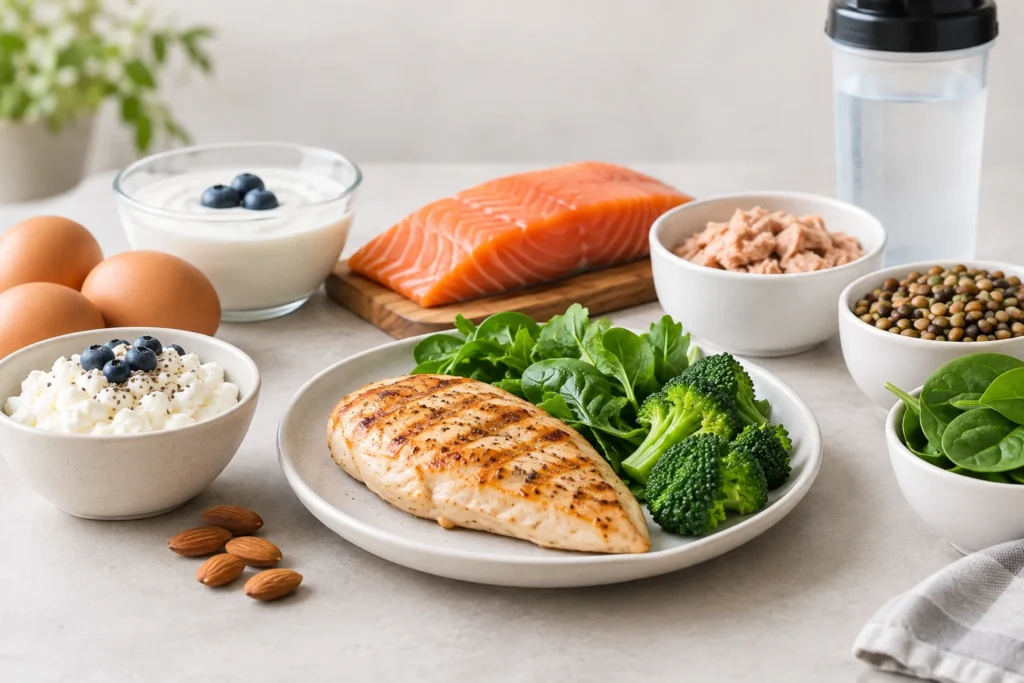
High-protein, low-calorie foods are especially useful during fat loss because they can help increase protein intake without consuming a large proportion of the daily calorie budget. Examples include lean poultry, many white fish, tuna packed in water, low-fat Greek yogurt, low-fat cottage cheese, egg whites, and some legumes. However, there is no universal list in which every food automatically fits every person’s calorie target. Serving size and preparation can change the energy content considerably.
A useful approach is to consider protein density rather than protein content alone. A food containing a high amount of protein but also a large amount of fat or added sugar may provide substantially more calories. For this reason, comparing protein with calories and considering portion size gives a more useful picture for fat loss.
How Can You Compare Protein Content With Calories?
When comparing foods, look at both protein and calories per consistent serving or per 100 grams. This makes it easier to identify foods that provide relatively more protein for their calorie content. For example, lean chicken and white fish generally have a different protein-to-calorie profile than fatty cuts of meat. Similarly, plain Greek yogurt may have a different calorie profile from a sweetened flavored yogurt.
This comparison should not become an obsession with numbers. Foods with more calories are not automatically unsuitable. Salmon, nuts, eggs, and other nutrient-dense foods can provide valuable nutrients and still fit a calorie-controlled diet. The objective is to create a balanced diet in which protein-rich foods help meet nutritional needs while total energy intake remains appropriate for the individual’s goal.
What Are the Best High-Protein Foods for Snacks?
Greek yogurt, cottage cheese, boiled eggs, tuna, edamame, and appropriately portioned protein-rich dairy products can work well as snacks. A useful high-protein snack should be convenient, satisfying, and compatible with the day’s calorie target. For example, plain Greek yogurt with berries can provide protein alongside carbohydrates, fiber, and micronutrients.
The main benefit of a protein-rich snack is not that it automatically burns fat. Rather, it can make it easier to reach daily protein requirements and may help manage hunger between meals. Evidence from controlled studies indicates that higher protein intake can increase feelings of fullness, although individual responses vary.
How Does Protein Help With Fat Loss and Muscle Retention?
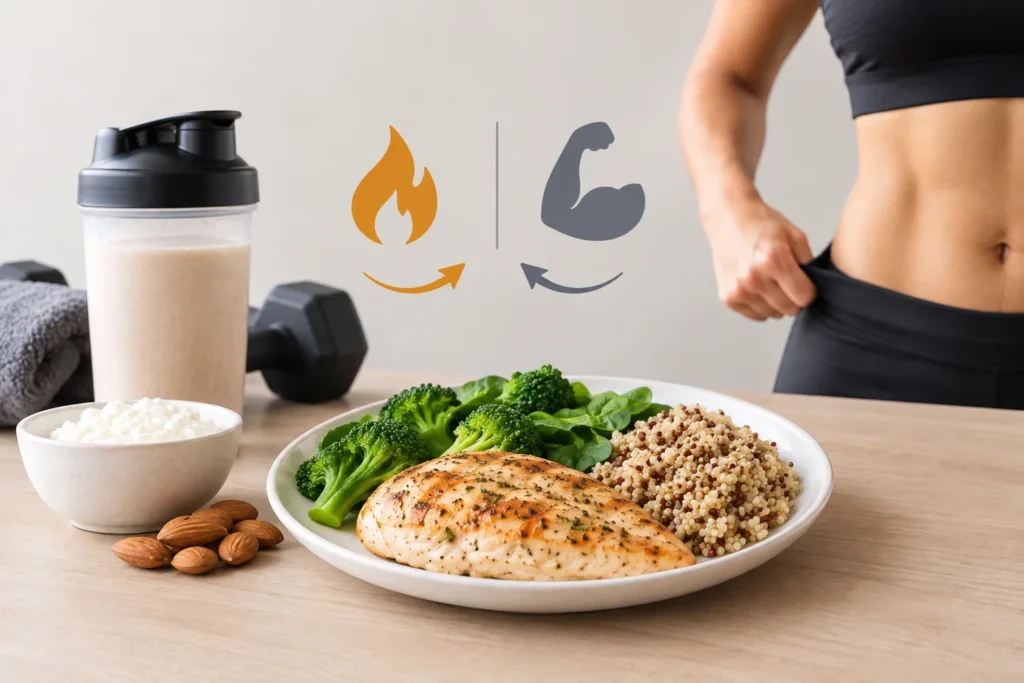
Protein can support fat-loss efforts through several mechanisms, but it should not be viewed as a fat-burning food. Research has associated higher protein intake with greater satiety and increased thermogenesis compared with lower-protein intake, although the effect on long-term weight and fat loss is not uniform across all studies.
One of the most relevant benefits for active people is maintaining lean tissue during a calorie deficit. A 2024 systematic review and meta-analysis of 47 studies involving 3,218 adults with overweight or obesity found that increased protein intake significantly reduced declines in muscle mass during weight loss. This makes protein particularly relevant when fat loss is combined with resistance training.
Does Protein Help You Stay Full During a Calorie Deficit?
Protein can contribute to satiety, which may make a calorie-controlled diet easier to follow. Research has found that higher-protein meals or preloads can increase fullness compared with lower-protein alternatives.
This does not mean that simply adding protein to an existing diet will automatically produce fat loss. If additional protein significantly increases total calorie intake, the intended calorie deficit may disappear. A more practical strategy is to use protein to replace some less filling or less nutrient-dense foods while maintaining an appropriate overall calorie intake.
For example, replacing a calorie-dense snack with Greek yogurt and fruit may provide more protein and potentially greater fullness without dramatically increasing calories. The exact choice should depend on individual nutritional needs and preferences.
Can High-Protein Foods Help Preserve Muscle During Fat Loss?
Yes, higher protein intake can help support the preservation of lean mass during weight loss. This is particularly important for people who combine fat loss with resistance training because the objective is often to reduce fat while maintaining as much muscle as reasonably possible.
A 2024 systematic review and meta-analysis found that increased protein intake was associated with significantly better preservation of muscle mass in adults with overweight or obesity undergoing weight loss. However, the same analysis did not find a significant protective effect for muscle strength and physical function from increased protein alone.
Therefore, protein should be considered one component of a broader strategy that also includes resistance training, appropriate calorie restriction, recovery, and adequate overall nutrition.
Which High-Protein Foods Are Best for Breakfast, Lunch, Dinner, and Snacks?
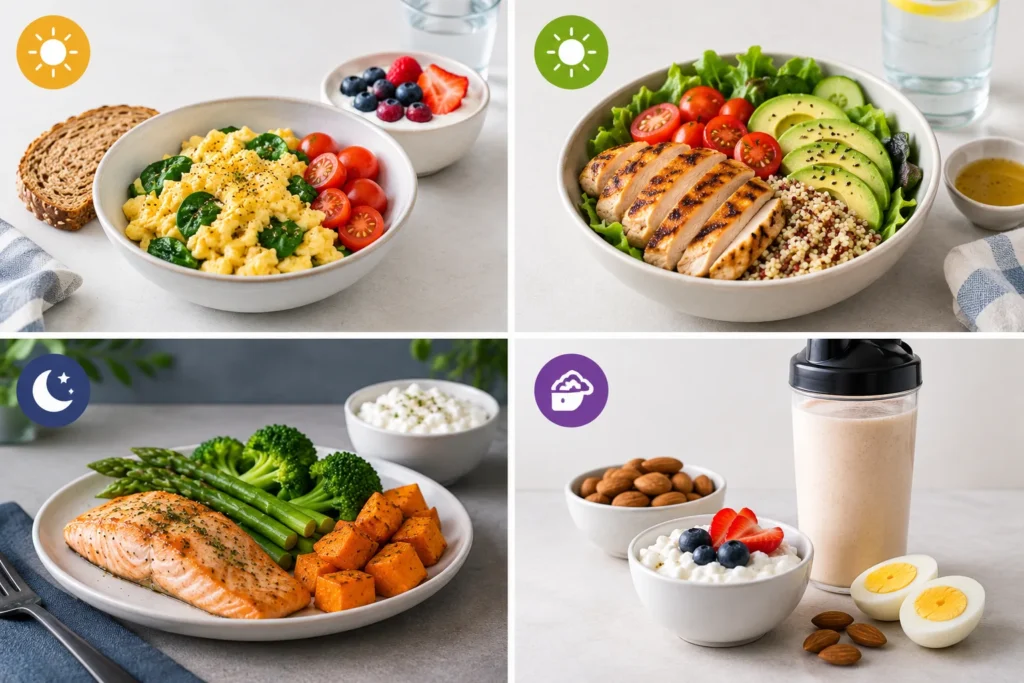
A successful fat-loss diet should work in real life. Instead of searching for one ideal food, distribute protein-rich choices across meals according to your schedule, appetite, training demands, and calorie target. Breakfast might include eggs or Greek yogurt, lunch could feature chicken, tuna, or legumes, and dinner could center on fish, lean meat, tofu, or another protein source. Snacks can be used when they make it easier to reach your daily intake.
This approach is more sustainable than relying on a single food or following an unnecessarily restrictive meal plan. Variety also improves the nutritional quality of the diet by providing different vitamins, minerals, fats, and other compounds.
What Are the Best High-Protein Breakfast Foods for Fat Loss?
Eggs, egg whites, Greek yogurt, cottage cheese, and other protein-rich dairy products can form the basis of a high-protein breakfast. Pairing these foods with fruit, vegetables, whole grains, or other nutrient-dense carbohydrates can create a more balanced meal.
For example, Greek yogurt with berries and a measured portion of oats provides protein, carbohydrates, and fiber. Alternatively, eggs with vegetables and whole-grain toast can provide a satisfying combination of protein and complex carbohydrates.
The goal is not to eliminate carbohydrates or fats at breakfast. Instead, protein should have a meaningful role in the meal while total calories remain consistent with the individual’s fat-loss target.
Which Protein Foods Work Best for Lunch and Dinner?
Lunch and dinner offer many opportunities to build meals around lean protein. Chicken breast, turkey, fish, lean beef, tuna, tofu, lentils, beans, and tempeh can all serve as the central protein source.
A simple meal structure is:
Protein + vegetables + high-quality carbohydrate + appropriate amount of healthy fat
For example, grilled chicken with vegetables and rice can provide a balanced meal for an active person. Similarly, salmon with potatoes and vegetables can provide protein, carbohydrates, fats, and micronutrients.
Portion size should be adjusted according to individual energy requirements. Foods such as salmon or lean beef may contain more calories than very lean protein sources, but they can still be included in a fat-loss diet when portions are appropriate.
What Are the Best High-Protein Snacks for Weight Loss?
High-protein snacks can be useful when hunger occurs between meals or when someone struggles to reach their protein target through main meals. Practical options include plain Greek yogurt, cottage cheese, boiled eggs, edamame, tuna, or a protein-rich dairy product.
However, snacks should not automatically be added simply because they are “high protein.” If someone is already meeting protein needs and the snack pushes daily calories above the intended target, it may not support fat loss.
A useful strategy is to choose snacks according to the day’s needs. If protein intake is low, a protein-rich snack may be helpful. If protein intake is already adequate, fruit, vegetables, or another nutrient-dense food may be more appropriate depending on hunger and calorie requirements.
How Can You Choose the Right High-Protein Foods for Fat Loss?
Choosing protein foods for fat loss is ultimately a matter of balancing nutrition, calories, satiety, convenience, and personal preference. There is no requirement to eat the same protein sources every day. The most sustainable approach is to create a rotation of foods that you enjoy and can consistently prepare.
For athletes and fitness enthusiasts, protein intake should also be considered alongside resistance training and overall energy intake. High-protein foods can support the process, but they cannot compensate for an inappropriate calorie intake or an unsustainable training and recovery routine.
What Should You Look for When Buying Protein-Rich Foods?
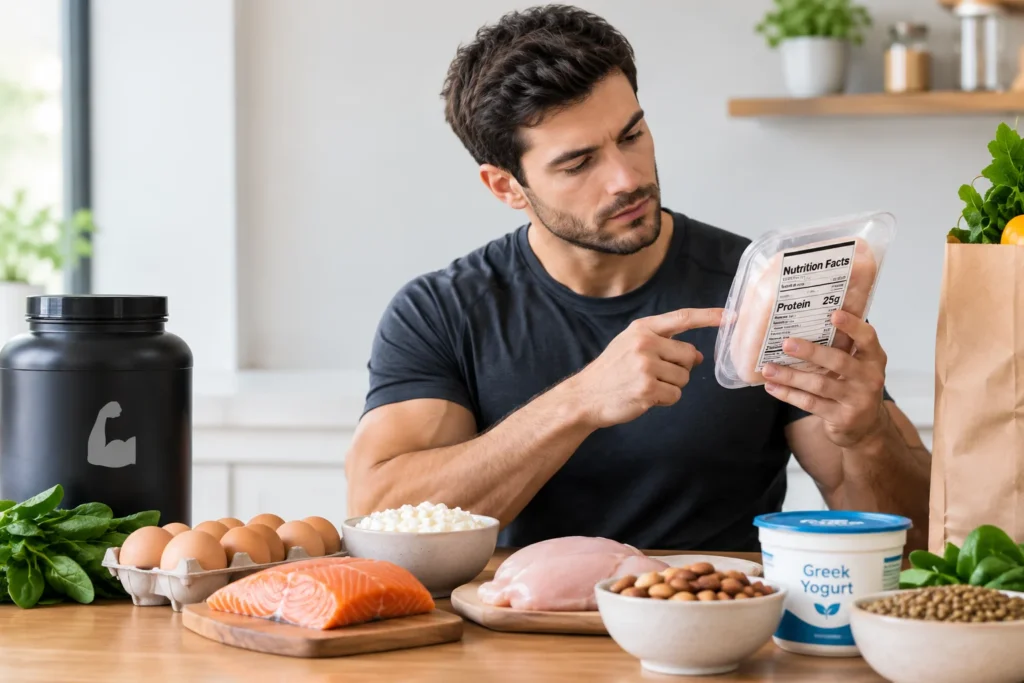
Start by checking the nutrition label and comparing protein, calories, serving size, saturated fat, added sugars, and ingredients. For packaged foods, two products can appear similar while having very different calorie and protein profiles.
For fresh foods, consider the natural protein source and preparation method. Lean meats, fish, eggs, low-fat dairy, legumes, tofu, and tempeh can all contribute to a varied diet.
It is also useful to consider convenience. A theoretically perfect food that you rarely eat is less useful than a nutritious protein source that fits your schedule and preferences. Consistency is one of the most important factors in any long-term nutrition strategy.
How Can You Build a High-Protein Fat-Loss Meal?
A simple method is to choose a primary protein source first, then add vegetables or fruit, an appropriate carbohydrate source, and a moderate amount of dietary fat.
For example:
- Choose protein: chicken, fish, eggs, Greek yogurt, tofu, or legumes.
- Add vegetables or fruit: increase fiber and micronutrient intake.
- Choose carbohydrates: rice, potatoes, oats, whole grains, or fruit according to your needs.
- Add fats carefully: olive oil, nuts, seeds, avocado, or other sources in appropriate portions.
- Check total calories: make sure the complete meal fits your daily target.
This structure makes it easier to prioritize protein without turning the diet into an unnecessarily restrictive plan.
What Is the Best Way to Use High-Protein Foods for Sustainable Fat Loss?
The most sustainable strategy is to prioritize protein-rich whole foods, maintain an appropriate calorie deficit, and choose foods that you can eat consistently. There is no evidence that one specific protein food is universally superior for fat loss.
Protein can support satiety and help preserve lean mass, but long-term outcomes depend on the entire dietary pattern. Research on high-protein diets shows potential benefits for weight and fat loss, but the magnitude of the effect varies and long-term results are influenced strongly by adherence and total energy intake.
For active people, combining adequate protein with resistance training is particularly relevant when the objective is to improve body composition rather than simply reduce scale weight.
High-Protein Foods for Fat Loss: Quick Comparison
| Food Category | Example Foods | Main Advantage | What to Watch |
|---|---|---|---|
| Lean poultry | Chicken breast, turkey | High protein, relatively lean | Sauces and cooking oils |
| Fish | Tuna, white fish, salmon | Protein and useful nutrients | Fat/calories vary by type |
| Eggs | Whole eggs, egg whites | Convenient and versatile | Portion and total calories |
| Low-fat dairy | Greek yogurt, cottage cheese | Protein-rich and convenient | Added sugar in flavored products |
| Legumes | Lentils, beans, chickpeas | Protein + fiber | Carbohydrate and calorie content |
| Soy foods | Tofu, tempeh, edamame | Plant-based protein | Preparation and added oils |
| Lean meat | Lean beef | Protein and micronutrients | Fat content varies by cut |
Expert Perspectives and Scientific Evidence
Research consistently points toward several important principles rather than a single “fat-burning” food.
A systematic review by Halton and Hu concluded that higher protein intake can increase thermogenesis and satiety compared with lower-protein diets, while noting that evidence for greater long-term weight and fat loss was not completely consistent.
More recently, a systematic review and meta-analysis of 47 studies found that increased protein intake significantly helped preserve muscle mass in adults with overweight or obesity who were attempting weight loss.
These findings support a practical conclusion: protein-rich foods are useful tools for fat loss, but they work within the context of an appropriate calorie intake and overall diet rather than independently causing body-fat reduction.
How to Choose High-Protein Foods for Fat Loss
- Step 1:
Identify your main protein sources.
- Step 2:
Prefer minimally processed, nutrient-dense options most of the time.
- Step 3:
Compare protein content with calories and serving size.
- Step 4:
Include different animal and/or plant protein sources.
- Step 5:
Pair protein with vegetables, fruit, and appropriate carbohydrates.
- Step 6:
Monitor total daily calories rather than focusing only on protein.
- Step 7:
Combine nutrition with resistance training if muscle retention is a priority.
- Step 8:
Adjust portions based on your progress, hunger, training, and individual needs.
Conclusion
The best high protein foods for fat loss are not necessarily the foods with the highest protein content alone. A more useful approach is to choose protein-rich foods that provide an appropriate combination of protein, calories, nutrients, satiety, and convenience. Lean poultry, fish, eggs, low-fat dairy, legumes, tofu, and other protein sources can all contribute to a sustainable fat-loss diet.
For athletes and fitness enthusiasts, the priority should be reducing body fat while supporting muscle retention, training performance, recovery, and long-term adherence. 5dfitness can help you build a more informed approach by focusing on practical nutrition and evidence-based fitness strategies rather than short-term diet trends.
Start by choosing two or three protein-rich foods you enjoy, build balanced meals around them, and make consistency—not extreme restriction—the foundation of your fat-loss strategy.
FAQ
Lean poultry, fish, Greek yogurt, cottage cheese, eggs, lean meat, legumes, tofu, and tempeh are practical options. The best choice depends on protein content, calories, portion size, and personal preference.
Lean poultry, white fish, tuna in water, low-fat Greek yogurt, cottage cheese, and egg whites are examples. Always check serving size because preparation can substantially change calorie content.
There is no single amount that applies to everyone. Protein needs depend on body size, activity level, training, age, health status, and calorie intake. People with specific medical conditions should seek individualized advice from a qualified healthcare professional.
Protein can support fat loss by increasing satiety and helping preserve lean mass, but it does not automatically cause fat loss. A sustained, appropriate calorie deficit remains central to reducing body fat.
Eggs can fit well into a fat-loss diet because they provide high-quality protein and are versatile. Their total calorie contribution should still be considered within the overall diet.
Yes. Lentils, beans, chickpeas, tofu, tempeh, and edamame can contribute protein to a plant-based fat-loss diet. Careful meal planning can help ensure adequate protein and overall nutrient intake.
Higher protein intake can support muscle preservation during weight loss, particularly when combined with resistance training. Evidence from a 2024 systematic review supports an association between increased protein intake and better muscle-mass retention during weight loss.