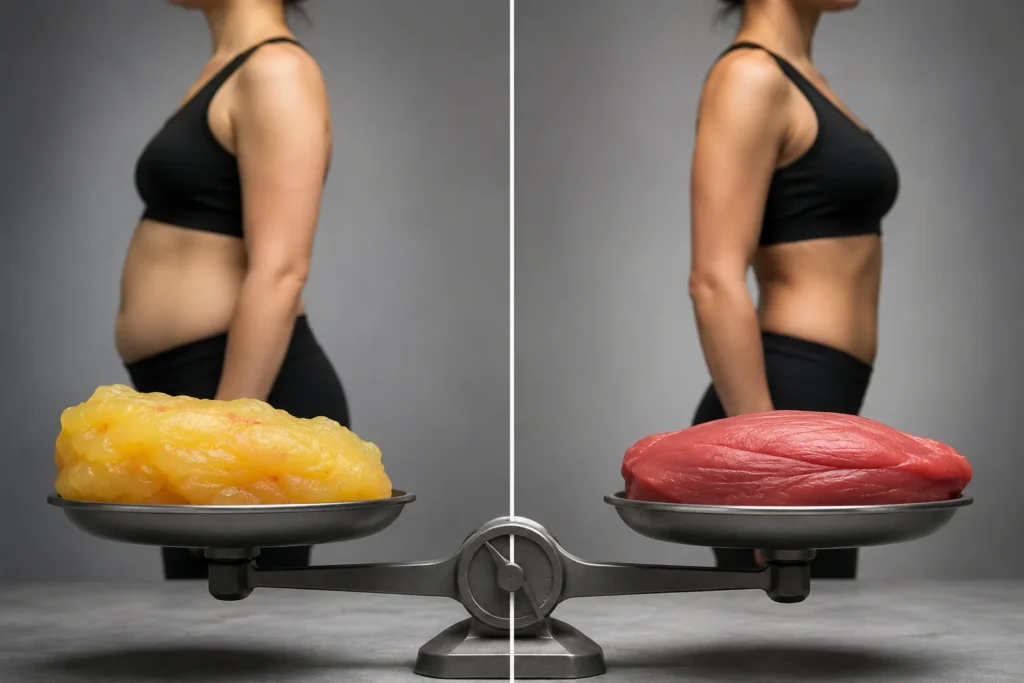
Losing body fat is not simply about exercising harder or eating less. Many people follow a seemingly disciplined routine but still struggle to make consistent progress because small mistakes undermine their overall strategy. Understanding the most common fat loss mistakes can help you identify what is slowing your results and make more effective adjustments.

For athletes, bodybuilders, and fitness enthusiasts, the goal should not only be losing weight but also improving body composition while preserving muscle mass. This guide from 5dfitness examines the biggest mistakes that can interfere with fat loss and explains what you can do instead.
Listen
What Are the Biggest Fat Loss Mistakes People Make?
Fat loss usually becomes difficult when people focus on isolated actions rather than the entire process. Eating extremely little, constantly changing diets, ignoring portion sizes, or expecting rapid results can make a plan difficult to maintain. Another common problem is confusing scale weight with actual body-fat changes.
Daily weight can fluctuate because of water, food intake, glycogen, and other factors. A successful fat-loss strategy therefore needs to focus on sustainable calorie control, adequate nutrition, regular physical activity, and consistent habits rather than extreme short-term measures.
Is Eating Too Little a Common Fat Loss Mistake?
A large calorie deficit may appear to be the fastest way to lose fat, but aggressive restriction can make a diet difficult to sustain. Severe hunger, low energy, poor training performance, and reduced adherence may eventually lead to overeating or abandoning the plan. The objective should be a manageable calorie deficit that can be maintained over time.
Eating less is not automatically better. Your nutritional intake still needs to provide sufficient protein, micronutrients, and energy to support training and daily activity. For people who exercise regularly, an overly restrictive diet can also make it harder to maintain muscle mass and training quality. Instead of continuously reducing food intake, monitor your progress and make modest adjustments when necessary.
Are You Underestimating How Many Calories You Eat?
One of the most overlooked fat loss mistakes is inaccurate calorie awareness. Portions, cooking oils, sauces, snacks, sugary drinks, and frequent small bites can contribute significant energy without feeling like a full meal. Even nutritious foods can contribute to a calorie surplus when portions are consistently larger than needed.
You do not necessarily need to track every calorie forever, but temporary food tracking can reveal patterns that are difficult to recognize otherwise. Measuring portions, reading nutrition labels, and recording meals for a limited period can improve awareness. Research on self-monitoring has found that tracking diet and physical activity can support weight-management outcomes. The goal is not obsessive measurement but better understanding of your eating habits.
Can Following Extreme Diets Slow Your Progress?
Crash diets often promise dramatic results in a short period, but rapid approaches can be difficult to maintain. When a diet eliminates large groups of foods or severely restricts calories, adherence becomes the main challenge. A person may lose weight initially but struggle to continue the same approach for several weeks or months.
A better strategy is to create eating habits that fit your lifestyle. Include protein-rich foods, vegetables, fruits, whole grains or other high-fiber carbohydrates, and appropriate sources of dietary fat. Flexibility also matters. A sustainable plan can accommodate occasional meals outside your normal routine without turning one deviation into a complete diet failure.
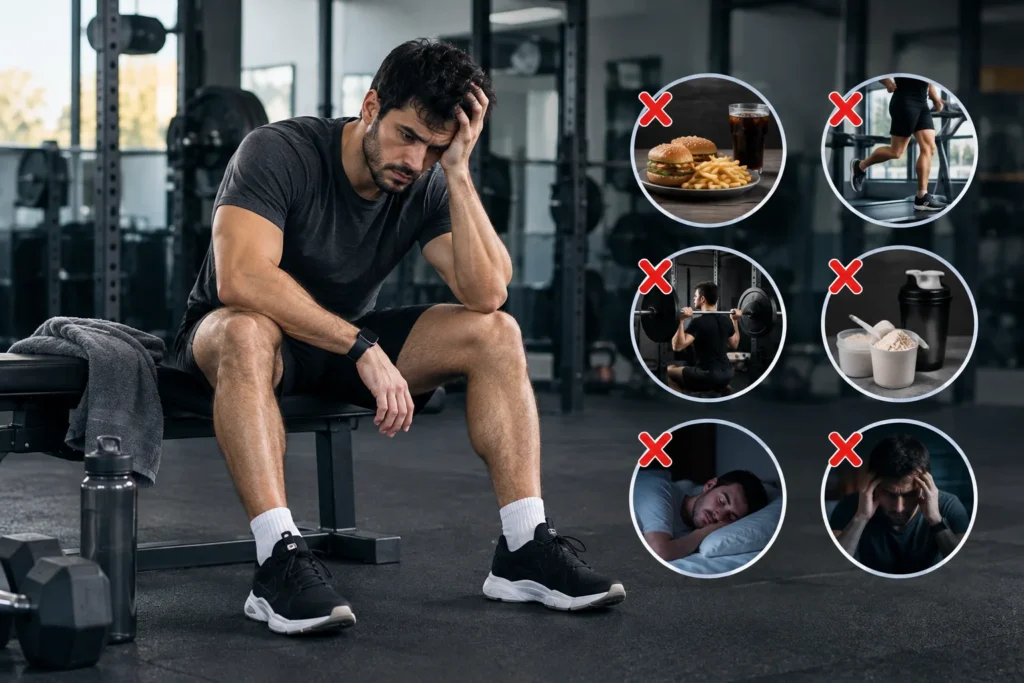
How Can Exercise Mistakes Prevent Fat Loss?
Exercise is an important part of a healthy fat-loss strategy, but more exercise does not automatically mean better results. Some people perform large amounts of cardio while neglecting resistance training, while others train extremely hard but remain inactive for most of the day. Exercise should complement nutrition rather than compensate for an unsustainable diet.
A balanced program should include aerobic activity, resistance training, recovery, and enough daily movement to support long-term consistency.
Is Relying Only on Cardio a Fat Loss Mistake?
Cardio can increase energy expenditure and improve cardiovascular fitness, but using it as the only form of exercise may not be the best approach for preserving muscle during fat loss. Walking, running, cycling, swimming, and other aerobic activities can all be useful, but resistance training provides an important stimulus for maintaining lean tissue.
Current evidence supports including resistance exercise during dietary weight loss because it can help preserve fat-free mass and improve strength. For this reason, a balanced fat-loss program can combine aerobic activity with resistance training instead of treating cardio as the only tool for burning fat.
Why Is Skipping Strength Training a Problem?
When calories are restricted, the body can lose both fat and lean tissue. Resistance training provides a strong reason for the body to maintain muscle, especially when combined with adequate protein and an appropriately structured calorie deficit.
You do not need an advanced bodybuilding program. Squats, presses, rows, lunges, pull-ups, and other resistance exercises can form the foundation of a practical routine. Training should progressively challenge the major muscle groups while allowing sufficient recovery. For adults, general physical-activity guidelines recommend muscle-strengthening activity on at least two days per week, alongside regular aerobic activity.
Can Doing Too Much Exercise Work Against Your Progress?
Increasing training volume indefinitely is another common fat loss mistake. More workouts can increase energy expenditure, but excessive training may create fatigue, reduce performance, and make recovery more difficult. It can also make the overall routine harder to maintain.
A better approach is to use the minimum effective amount of exercise that you can perform consistently and progress gradually. Pay attention to sleep, soreness, motivation, and training performance. If performance continues to decline while fatigue increases, adding more exercise may not be the solution. Better recovery, improved nutrition, and appropriate training volume may produce better long-term results.

Which Nutrition Mistakes Can Hold Back Fat Loss?
Nutrition is often where fat-loss progress is won or lost, but the solution is not simply to remove as many foods as possible. Protein intake, portion control, food quality, liquid calories, and meal consistency can all influence how easy it is to maintain an appropriate calorie deficit. A good nutrition strategy should support training performance and satiety while remaining practical enough to follow over time.
Are You Eating Enough Protein to Support Fat Loss?
Protein becomes particularly important when the goal is to reduce body fat while maintaining muscle. During weight loss, preserving lean mass can improve body composition and help maintain strength and physical function.
A systematic review and meta-analysis published in Clinical Nutrition ESPEN found that higher protein intake was associated with better muscle retention during weight loss in adults with overweight or obesity. However, protein alone does not cause fat loss. It works as part of a broader strategy involving calorie control, resistance training, and overall dietary quality.
Instead of relying entirely on protein supplements, build meals around protein-rich foods such as eggs, dairy products, fish, lean meats, legumes, and other suitable sources.
Can Liquid Calories and Hidden Calories Slow Your Progress?
Drinks can be easy to overlook because they may provide fewer feelings of fullness than solid foods. Sugary beverages, sweetened coffee, juices, high-calorie shakes, and alcoholic drinks can add substantial energy to an otherwise controlled diet.
Hidden calories can also come from sauces, dressings, cooking oils, spreads, and frequent snacks. None of these foods automatically prevents fat loss, but regularly consuming more energy than expected can reduce or eliminate the calorie deficit.
Review your most common meals and drinks before making major dietary changes. Often, small adjustments to high-calorie beverages, sauces, and snacks can create meaningful improvements without requiring an extreme diet.
How Do Lifestyle Habits Affect Your Fat Loss Results?
Fat loss does not happen only inside the gym or at mealtimes. Sleep, stress, daily movement, recovery, and consistency all influence how easy it is to maintain healthy behaviors. A theoretically perfect diet can still fail if it is too difficult to follow in real life. The best strategy is therefore one that fits your schedule, recovery needs, social life, and training routine.
Can Poor Sleep Make Fat Loss More Difficult?
Sleep is frequently ignored when people focus on calories and workouts. Poor sleep can make healthy habits more difficult by affecting energy, appetite management, motivation, and exercise performance. It may also make high-calorie foods more appealing for some people.
Rather than treating sleep as an optional recovery tool, make it part of your fat-loss strategy. Maintain a consistent sleep schedule, create a relaxing pre-sleep routine, and reduce unnecessary distractions before bedtime. Better sleep will not directly replace a calorie deficit, but it can make the behaviors required for sustainable fat loss easier to maintain.
How Does Stress Affect Fat Loss Habits?
Stress does not automatically stop fat loss, but chronic stress can make consistent behavior more difficult. Some people respond to stress by eating more, choosing highly palatable foods, skipping workouts, or becoming less active throughout the day.
Instead of trying to eliminate all stress, develop strategies that reduce its impact on your routine. Walking, structured exercise, social activities, breathing exercises, hobbies, and regular sleep can all support healthier routines. If stress repeatedly causes uncontrolled eating or significantly affects daily functioning, professional support may also be appropriate.
Why Is Consistency More Important Than Short-Term Intensity?
A common mistake is changing the plan every time progress appears slower than expected. Someone may follow a strict diet for one week, increase cardio the next week, eliminate carbohydrates after that, and then abandon the entire approach when results do not immediately appear.
Fat loss requires enough time to identify meaningful trends. Daily body weight can fluctuate considerably, so short-term changes do not always represent changes in body fat. Keep your strategy stable long enough to evaluate it, monitor relevant metrics, and make one or two controlled adjustments rather than repeatedly starting over.

How Can You Fix Fat Loss Mistakes and Start Making Progress Again?
Fixing fat loss mistakes does not require another extreme diet. Start by identifying the specific behavior that is creating the problem. Review food intake, activity levels, resistance training, sleep, recovery, and progress measurements. Then make the smallest practical change that can improve the situation. A sustainable strategy should be measurable, adaptable, and realistic enough to continue for months rather than days.
How Should You Track Your Fat Loss Progress?
Body weight can be useful, but it should not be the only measurement. Consider tracking weekly weight averages, waist circumference, progress photos, training performance, and how your clothes fit. These measurements provide a broader picture of changes in body composition.
Self-monitoring can also help identify behavioral patterns. A systematic review and meta-analysis found that digital self-monitoring of diet and physical activity supported weight loss in adults with overweight or obesity. The purpose of tracking is not perfection. It is to create feedback that helps you understand whether your current strategy is working.
What Should You Do When Fat Loss Stalls?
First, determine whether you actually have a plateau. A few days without scale movement do not necessarily mean fat loss has stopped. Look at your average weight over several weeks and consider waist measurements and other indicators.
If progress has genuinely stalled, review portion sizes, snacks, drinks, activity levels, and training consistency. You may also have unconsciously reduced daily movement as your body weight and energy levels changed. Make a small adjustment rather than dramatically cutting calories or adding excessive cardio. If you have followed a structured plan consistently but continue to struggle, a qualified dietitian or healthcare professional can help identify individual factors.
How Can You Build a Sustainable Fat Loss Strategy?
A sustainable strategy starts with realistic goals and a moderate approach. Build meals around nutritious foods and adequate protein, maintain regular resistance training, include aerobic activity, and prioritize recovery. Track enough information to make informed decisions without becoming obsessed with numbers.
The goal should be to create a routine you can continue after reaching your target. Fat loss is not successful if the method is so restrictive that normal eating and training cannot be maintained afterward. Focus on habits that improve body composition, fitness, and health at the same time.
How-To: A Simple Way to Correct Fat Loss Mistakes
- Step 1: Identify the problem
Choose the most likely mistake instead of changing everything at once.
- Step 2: Review your nutrition
Check portions, snacks, drinks, protein intake, and overall meal consistency.
- Step 3: Review your training
Include resistance training and regular aerobic activity rather than relying exclusively on cardio.
- Step 4: Improve recovery
Prioritize sleep, rest days, and manageable training volume.
- Step 5: Track your progress
Use weekly weight averages, waist measurements, photos, and training performance.
- Step 6: Adjust gradually
If progress remains stalled for several weeks, make a small, measurable change and reassess.
Fat Loss Mistakes: Quick Reference Table
| Common Mistake | Why It Can Be a Problem | Better Approach |
|---|---|---|
| Eating far too little | Poor adherence, hunger and low training energy | Use a sustainable calorie deficit |
| Ignoring portions | Calories can accumulate unnoticed | Track portions temporarily |
| Doing only cardio | Less focus on maintaining muscle | Combine cardio with resistance training |
| Skipping protein | May make muscle retention harder | Include protein-rich foods regularly |
| Ignoring liquid calories | Drinks can add substantial energy | Choose lower-calorie options more often |
| Training excessively | Fatigue and poor recovery | Use manageable training volume |
| Poor sleep | Can make healthy habits harder | Establish a consistent sleep routine |
| Changing plans constantly | Makes progress difficult to evaluate | Stay consistent and adjust gradually |
Conclusion
The biggest fat loss mistakes are often not dramatic. They are usually small, repeated behaviors such as underestimating food intake, relying only on cardio, neglecting resistance training, eating insufficient protein, sleeping poorly, or constantly changing the plan. The solution is not another extreme strategy. Instead, focus on a sustainable calorie deficit, regular resistance and aerobic activity, adequate nutrition, recovery, and measurable progress.
For athletes and fitness enthusiasts, successful fat loss should mean improving body composition while protecting performance and lean mass. With a consistent and evidence-based approach, you can identify what is holding you back and replace ineffective habits with strategies that are easier to maintain.
For more practical, evidence-based fitness guidance, follow 5dfitness and use these principles to build a smarter and more sustainable approach to fat loss.
FAQ
For many people, the biggest mistake is using an approach that is too restrictive to maintain. A sustainable calorie deficit combined with adequate nutrition and regular activity is generally more practical than extreme dieting.
Exercise does not guarantee a calorie deficit. Review food intake, portions, liquid calories, daily activity, recovery, and consistency. Also remember that short-term scale fluctuations do not always represent changes in body fat.
Cardio can be useful for fat loss and cardiovascular health, but excessive amounts may increase fatigue and interfere with recovery. A balanced program should include both aerobic and resistance training.
Severe restriction can make fat loss harder to sustain because it may increase hunger, reduce training quality, and encourage overeating or poor adherence. A moderate and sustainable approach is usually more practical.
Combine an appropriate calorie deficit with resistance training, sufficient protein, and adequate recovery. Resistance exercise has been shown to help preserve fat-free mass during dietary weight loss.
Avoid reacting to a few days of unchanged scale weight. Evaluate trends over several weeks while considering body measurements, activity, nutrition, and training consistency before making significant changes.