Choosing the right drinks for weight loss can make a meaningful difference to daily calorie intake, hydration, exercise performance, and long-term weight management. Beverages are often overlooked because they may not create the same sense of fullness as solid foods, yet sugary drinks, sweetened coffee, energy drinks, and high-calorie shakes can add substantial calories. For athletes, fitness enthusiasts, bodybuilders, and anyone pursuing a leaner physique, the goal is not to find a “fat-burning” drink, but to choose beverages that support a sustainable calorie deficit, adequate hydration, recovery, and training performance. This evidence-based guide from 5dfitness examines which beverages are most useful for weight management and how to use them strategically.
Listen
What Are the Best Drinks for Weight Loss?
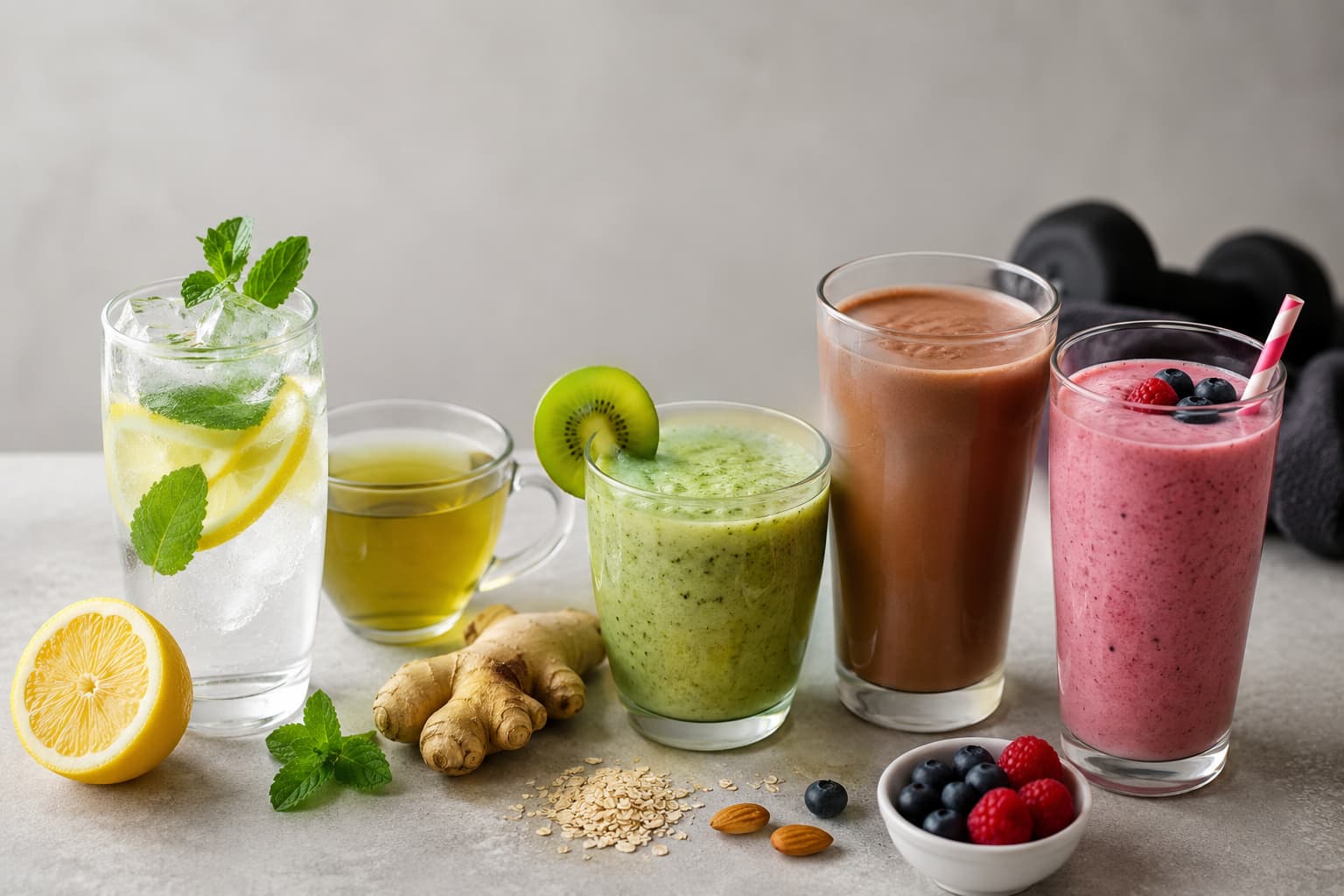
The most useful beverages for weight loss generally have few or no calories while supporting hydration and adherence to a healthy diet. Water is the foundation, while unsweetened coffee and tea can provide variety and, in the case of caffeinated drinks, a temporary increase in alertness. The key principle is substitution: replacing calorie-dense beverages with lower-calorie alternatives can reduce total energy intake without requiring major changes to meals. The CDC specifically notes that replacing sugary drinks with water can help reduce calorie intake.
Is water the best drink for losing weight?
For most people, yes. Water contains no calories and supports normal physiological functions, including temperature regulation, digestion, circulation, and exercise performance. Its greatest weight-management advantage is often what it replaces. Substituting water for soda, sweetened coffee, fruit drinks, or other calorie-containing beverages can lower daily energy intake without reducing the nutritional value of meals.
Water is especially important for physically active people because fluid requirements increase with exercise, heat, and sweating. However, drinking excessive amounts does not directly accelerate fat loss. The practical objective is to remain adequately hydrated while avoiding unnecessary liquid calories.
The CDC recommends choosing water instead of sugary beverages and identifies plain, sparkling, and unsweetened flavored water as lower-calorie options.
Can sparkling water help with weight management?
Unsweetened sparkling water can be an effective alternative for people who enjoy carbonated drinks. It provides the sensory experience of a fizzy beverage without the sugar and calories found in many sodas.
For someone who regularly consumes sweetened soft drinks, switching to sparkling water can create a substantial reduction in weekly calorie intake. Flavoring it with lemon, lime, cucumber, or fresh herbs can make the transition easier without adding significant calories.
The important distinction is between plain sparkling water and sugar-sweetened carbonated beverages. Always check the nutrition label, particularly for flavored products.
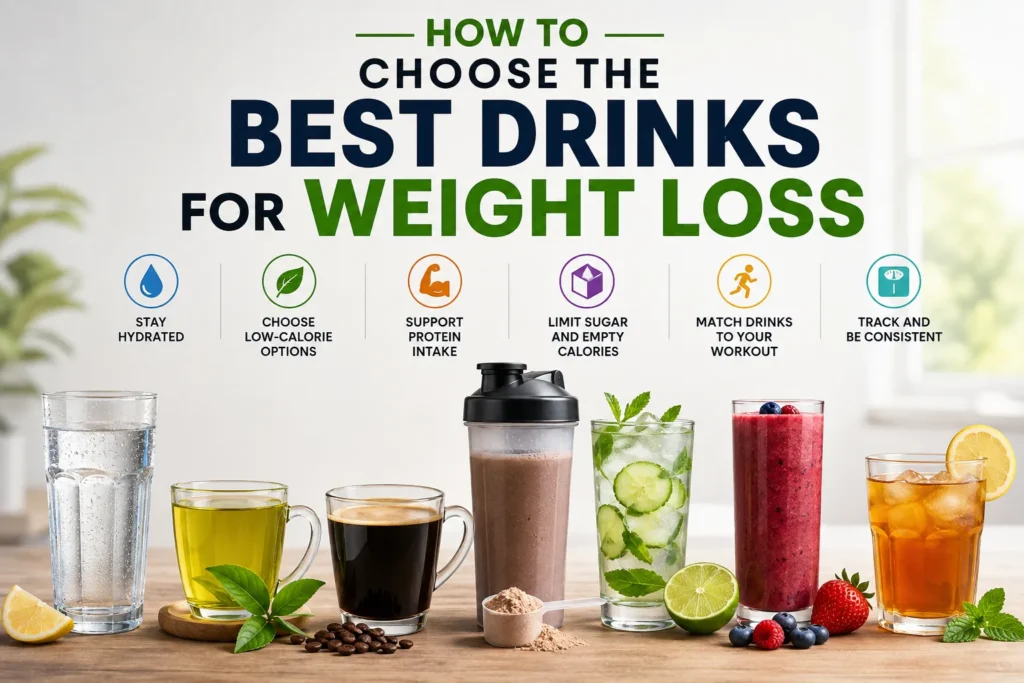
How to Choose the Best Drinks for Weight Loss
Step 1: Start With Water
Make water your primary daily beverage and use it to replace sugary drinks.
Step 2: Choose Low-Calorie Coffee and Tea
Use black coffee, green tea, or unsweetened tea instead of calorie-dense versions.
Step 3: Add Protein When Needed
Use a controlled-calorie protein shake when it helps you meet your daily protein needs.
Step 4: Limit Sugary and High-Calorie Drinks
Reduce soda, sweetened coffee, sugary juices, and unnecessary energy drinks.
Step 5: Match Drinks to Your Workout
Use water for most regular workouts and consider electrolytes or carbohydrates when training is prolonged or highly demanding.
Step 6: Track Liquid Calories
Check beverage labels and include calories from drinks in your overall daily energy intake.
Step 7: Build a Sustainable Routine
Choose beverages you can consistently consume while supporting hydration, nutrition, recovery, and your fat-loss goals.
Can Coffee and Tea Support Fat Loss?
Coffee and tea can fit effectively into a weight-loss diet when consumed without large amounts of sugar, syrups, cream, or high-calorie toppings. Caffeine may temporarily increase alertness and energy expenditure, but it should not be considered a standalone fat-loss treatment. Harvard’s Nutrition Source notes that caffeine can influence energy and appetite, while also emphasizing that its effect on weight is modest.
Is black coffee good for weight loss?
Black coffee is a low-calorie beverage that can be particularly useful before training. Caffeine may improve alertness and perceived energy, which can make exercise feel easier for some people.
However, the effect should not be exaggerated. Caffeine does not automatically produce significant long-term weight loss, and adding sugar, flavored syrups, whipped cream, or calorie-dense creamers can quickly transform coffee into a high-calorie beverage.
Harvard reports that caffeine may temporarily increase calorie expenditure and influence appetite, but the effect is relatively modest.
There is no evidence that caffeine causes significant weight loss.
Can green tea help burn body fat?
Green tea contains caffeine and plant compounds called catechins, which have attracted considerable interest in weight-management research. Some studies suggest that green tea components may have small effects on energy expenditure and fat oxidation.
Nevertheless, green tea should be viewed as a supportive beverage rather than a fat-burning solution. Drinking unsweetened green tea instead of sugary beverages can be valuable primarily because it provides hydration and flavor with very few calories.
For people who enjoy tea, green tea, black tea, and herbal teas can therefore be useful components of a calorie-conscious beverage strategy.
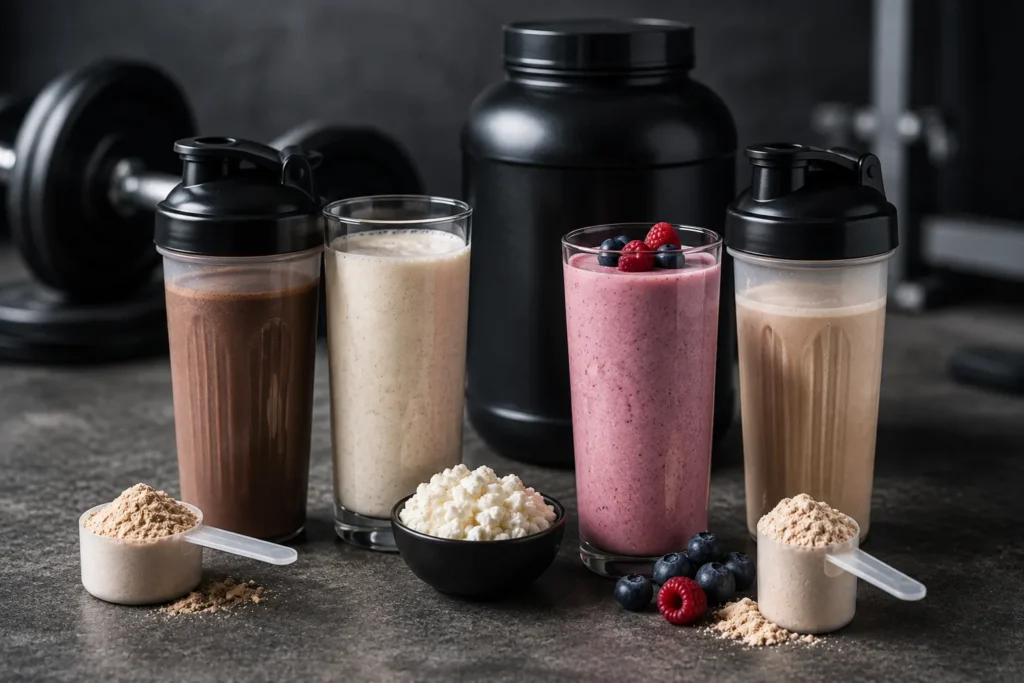
Which High-Protein Drinks Are Useful for Fitness and Fat Loss?
Protein-containing beverages can have a different role from water, coffee, or tea. They provide calories and nutrients, but they may also help athletes meet protein requirements and preserve lean mass during a calorie deficit. For people who resistance-train, maintaining adequate protein intake is important because successful fat loss should ideally involve reducing fat mass while preserving as much muscle as possible.
Can a protein shake help with weight loss?
A protein shake can support weight management when it helps meet protein needs without creating an excessive calorie surplus. It is particularly convenient after resistance training or when a high-protein meal is difficult to prepare.
However, protein shakes are not inherently low-calorie. A shake containing protein powder, whole milk, nut butter, oats, fruit, honey, and other ingredients can become a substantial meal replacement or even a calorie surplus.
For fat loss, portion size and total daily energy intake remain more important than the label on the protein powder.
Is a low-calorie smoothie a good choice for fat loss?
A carefully designed smoothie can provide protein, fiber, micronutrients, and hydration, but smoothies can also become calorie-dense quickly. A practical formula is a protein source combined with berries or a modest fruit portion, vegetables or leafy greens, water or an unsweetened milk alternative, and optional high-fiber ingredients.
Liquid calories are particularly easy to consume quickly, so portion control matters. A smoothie should complement the overall diet rather than automatically be treated as a “healthy” unlimited beverage.
Which Drinks Should You Limit During Weight Loss?
The beverages most likely to interfere with fat loss are those that deliver significant calories and added sugar without providing comparable satiety or nutritional value. Regular soda, sweetened coffee, energy drinks, sweetened tea, fruit drinks, and some sports drinks can contribute substantial energy intake.
The World Health Organization reports that increased consumption of sugar-sweetened beverages is associated with weight gain and recommends reducing free-sugar intake.
Why are sugary drinks a problem for body-fat reduction?
Sugary beverages can contribute calories rapidly while providing relatively little nutritional value. Because they are consumed as liquids, they may not produce the same level of fullness as an equivalent amount of energy from solid food.
The CDC reports that a 12-ounce regular soda can contain more than 10 teaspoons of added sugar and around 150 calories.
“Increasing consumption of sugar-sweetened beverages is associated with weight gain.”
World Health Organization
Replacing these beverages with water, unsweetened tea, or black coffee can therefore be one of the simplest dietary changes for reducing unnecessary calories.
Should athletes avoid sports and energy drinks?
Not necessarily. Context matters. Sports drinks can provide carbohydrate and electrolytes during prolonged or high-intensity exercise, particularly when substantial sweating occurs. For short or moderate workouts, however, they may provide more calories than necessary.
Energy drinks are different because they may contain substantial caffeine and other stimulants, sometimes alongside added sugar. They should not be used as routine substitutes for water or meals.
Athletes should choose these products according to training duration, intensity, sweat losses, environmental conditions, and individual nutrition requirements rather than assuming that every workout requires a sports or energy drink.
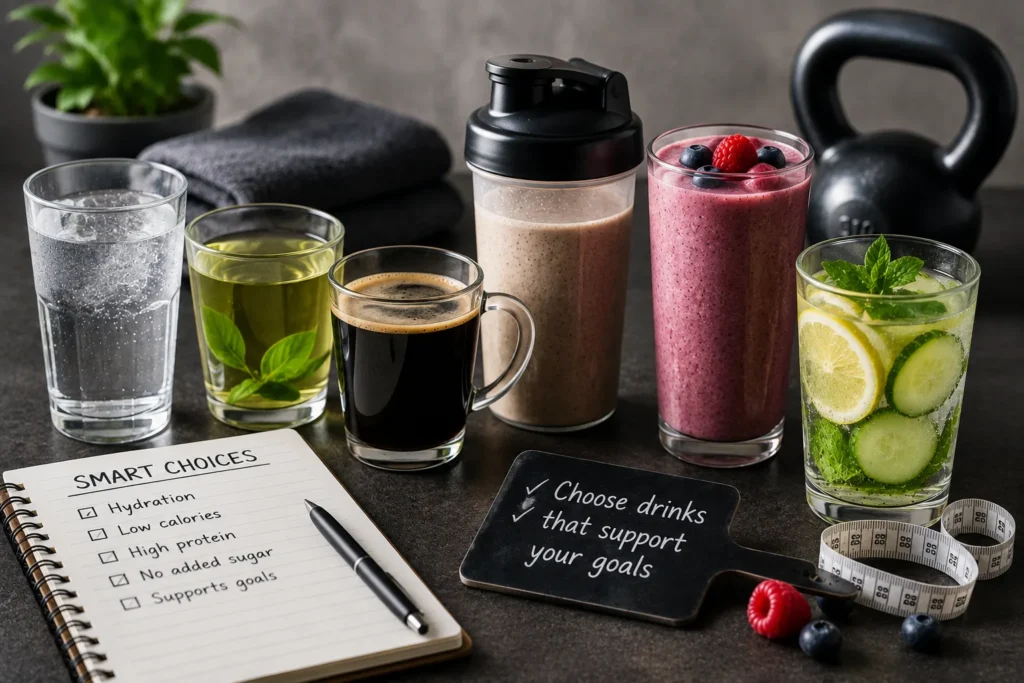
How Should You Choose Drinks for Faster and Sustainable Fat Loss?
The best beverage strategy is simple: prioritize hydration, minimize unnecessary liquid calories, and match higher-calorie drinks to a genuine nutritional purpose. Instead of searching for one special drink that “burns fat,” evaluate each beverage according to calories, protein, sugar, caffeine, hydration value, and its role in your training routine.
What should you drink before, during, and after exercise?
Before exercise, water is usually sufficient for normal training sessions. Coffee can be useful for people who tolerate caffeine and want a pre-workout stimulant, although timing and individual sensitivity matter.
During shorter workouts, water is generally practical. Longer or very intense sessions may justify carbohydrates and electrolytes, particularly in hot environments or when sweat losses are high.
After training, water supports rehydration, while a protein shake or other protein-containing beverage may be convenient when it contributes to the athlete’s overall nutrition plan.
What is the simplest daily beverage strategy for losing fat?
Build your routine around water, then use unsweetened coffee or tea for variety. Include protein shakes when they solve a genuine protein or convenience need. Reserve caloric beverages for situations where their nutritional purpose justifies the calories.
A useful rule is to ask: “Does this drink provide something my body or training actually needs?” If the answer is no, replacing it with a low- or zero-calorie option can make maintaining a calorie deficit easier.
Practical Beverage Guide for Weight Loss
| Beverage | Calories | Main Benefit | Best Use |
|---|---|---|---|
| Water | 0 | Hydration | Throughout the day |
| Sparkling water | Usually 0 | Hydration and variety | Meals and between meals |
| Black coffee | Very low | Caffeine and alertness | Morning or pre-workout |
| Unsweetened green tea | Very low | Hydration and polyphenols | Between meals |
| Herbal tea | Usually 0 | Hydration and variety | Evening |
| Protein shake | Variable | Protein and convenience | Post-workout or meal support |
| Smoothie | Variable | Nutrients and protein | Planned meal/snack |
| Regular soda | High | Mainly sugar and calories | Best limited |
| Sweetened coffee | Often high | Taste, but added calories | Best limited |
| Energy drink | Variable | Caffeine and sometimes carbohydrates | Specific performance contexts |
Summary
The most effective drinks for weight loss are not necessarily exotic or marketed as fat burners. Water should form the foundation, while unsweetened coffee and tea can provide low-calorie alternatives with useful compounds and, in coffee’s case, caffeine. Protein shakes and carefully formulated smoothies can be valuable for athletes when they support protein intake and fit the daily calorie budget.
The most important change for many people is reducing sugary beverages. Current evidence from organizations such as the CDC and WHO consistently links frequent consumption of sugar-sweetened drinks with unhealthy weight gain.
For readers of 5dfitness, the practical objective is therefore clear: choose beverages according to hydration needs, training demands, protein requirements, and total calorie intake—not marketing claims.
FAQ
No beverage selectively burns belly fat. Water, unsweetened coffee, and tea can support a calorie-controlled diet, but reducing overall body fat requires sustained energy balance, nutrition, physical activity, and adequate recovery.
It may help some people consume fewer calories, particularly when water replaces calorie-containing beverages. However, the effect varies between individuals and should be viewed as a useful habit rather than a guaranteed weight-loss technique.
No. Lemon water can make plain water more enjoyable and may help increase fluid intake, but lemon itself does not create meaningful fat loss.
Neither is universally better. Both can be low-calorie when consumed without added sugar. Coffee generally contains more caffeine, while tea provides different plant compounds. The best choice is the one that fits your preferences and caffeine tolerance.
Yes, if they add more calories than your body needs. Protein shakes can support fat loss when their calories fit within your overall energy intake and they help you maintain adequate protein consumption.
They can reduce calorie intake compared with sugar-sweetened beverages. However, they should not replace water entirely, and individual responses to non-nutritive sweeteners and dietary preferences should be considered. The CDC notes that questions remain about their effectiveness for long-term weight management.