The demand for HIIT Training in Oman programs has increased rapidly as more individuals seek efficient, science-based methods for improving fitness, reducing body fat, and enhancing athletic performance. High-Intensity Interval Training (HIIT) has become one of the most effective workout systems for people who want maximum results in less time. At 5d fitness, HIIT programs are structured to support fat loss, endurance, muscle conditioning, and long-term health while adapting to different fitness levels and lifestyles in Oman.
Unlike traditional cardio workouts that require long durations, fat burning HIIT sessions use short bursts of intense exercise followed by controlled recovery periods. This training style boosts metabolism, improves cardiovascular endurance, and increases calorie burn even after the workout ends. Whether you are an athlete, a beginner, or someone struggling with weight management, HIIT can provide a practical and sustainable fitness solution.
As health awareness continues to grow in Oman, many individuals are looking for training systems that combine efficiency, flexibility, and measurable outcomes. This comprehensive guide explains the concept of HIIT, the benefits of fat burning workouts, nutrition strategies, recovery methods, and how structured HIIT programs can transform both physical performance and overall health.
“HIIT is one of the most time-efficient exercise strategies to improve cardiovascular and metabolic health.”
Martin Gibala, Professor of Kinesiology
Why Is HIIT Training in Oman the Best Solution for Fat Burning and Fitness?
The popularity of HIIT Training Oman continues to rise because it provides fast, measurable, and sustainable fitness results. HIIT combines high-intensity exercise intervals with short recovery phases, creating a workout structure that challenges the cardiovascular system while maximizing calorie expenditure.
One of the primary reasons people choose fat burning HIIT workouts is efficiency. Many individuals in Oman balance demanding work schedules, social commitments, and family responsibilities, making long gym sessions difficult to maintain. HIIT solves this problem by delivering effective workouts in 20–40 minutes.
Another major advantage is the metabolic effect created after training. During HIIT sessions, the body consumes large amounts of oxygen, and after the workout ends, metabolism remains elevated. This process, known as Excess Post-Exercise Oxygen Consumption (EPOC), helps the body continue burning calories long after exercise is completed.
HIIT training also improves endurance, muscular conditioning, and mental resilience. Whether performed with bodyweight exercises, resistance equipment, sprint intervals, or functional circuits, HIIT provides adaptable training methods suitable for different goals and fitness levels across Oman.
How Does Fat Burning HIIT Increase Calorie Burn Faster Than Traditional Cardio?
Traditional cardio workouts often focus on maintaining a steady pace for extended periods. Although this improves endurance, it may not create the same metabolic intensity as fat burning HIIT sessions. HIIT rapidly elevates heart rate through repeated cycles of intense activity and controlled recovery, forcing the body to work harder within shorter timeframes.
This process stimulates higher calorie expenditure both during and after exercise. Research indicates that HIIT improves insulin sensitivity, enhances fat oxidation, and supports muscle preservation more effectively than prolonged moderate-intensity cardio.
Another important factor is muscle fiber recruitment. HIIT activates fast-twitch muscle fibers that require greater energy output, increasing overall metabolic demand. Exercises such as burpees, sprint intervals, jump squats, and kettlebell swings create powerful calorie-burning effects while improving athletic performance.
For individuals in Oman seeking efficient weight-loss solutions, HIIT provides a highly practical option because sessions remain short while delivering significant physical benefits.
Why Are HIIT Workouts Effective for Weight Loss and Body Transformation?
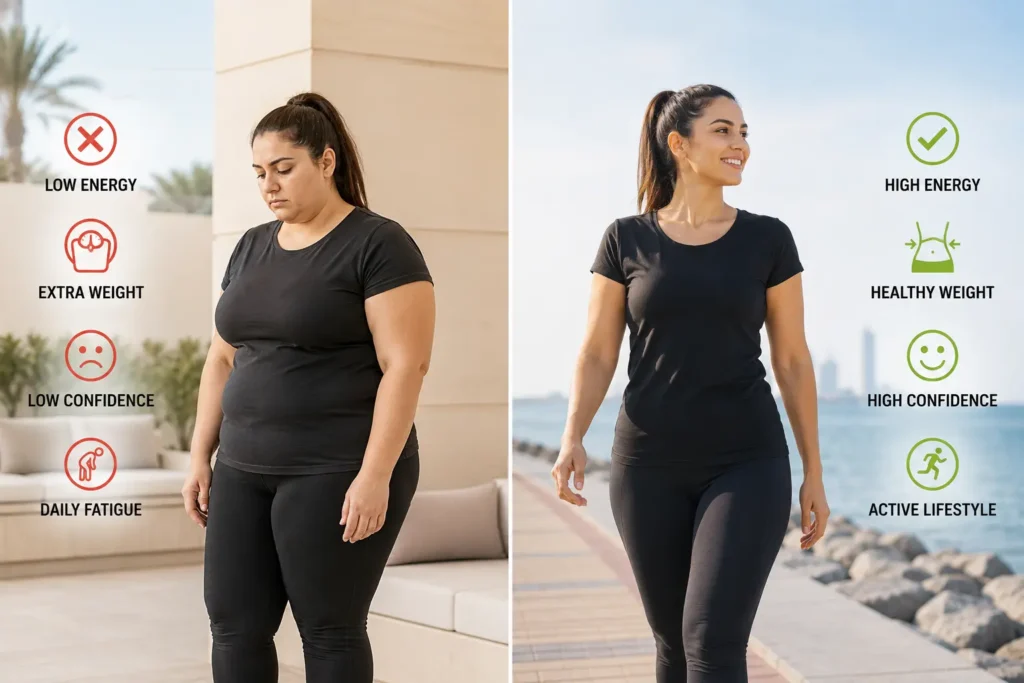
Weight loss depends on creating a consistent calorie deficit while maintaining muscle mass and metabolic efficiency. HIIT Training Oman programs help achieve this by combining intense cardiovascular effort with muscular engagement.
Unlike low-intensity cardio that may contribute to muscle loss during aggressive dieting, HIIT encourages lean muscle retention. Preserving muscle tissue is important because muscle increases resting metabolic rate, helping the body burn more calories throughout the day.
Another benefit is hormonal stimulation. HIIT training increases the release of growth hormone and catecholamines, both associated with fat metabolism and improved body composition. Additionally, HIIT workouts reduce boredom because sessions are dynamic and varied, improving long-term consistency.
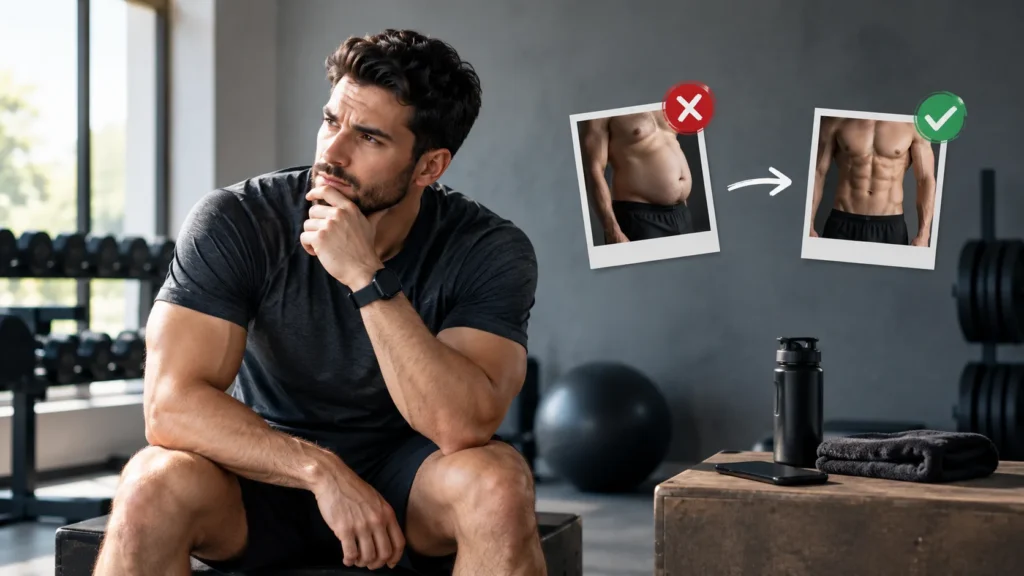
For people aiming to improve both aesthetics and physical performance, HIIT creates a balanced approach that supports sustainable body transformation instead of temporary weight reduction.
Can Beginners Safely Start HIIT Training Programs in Oman?
Many beginners assume HIIT is only designed for athletes, but properly structured programs can be adapted for all fitness levels. Beginner HIIT sessions focus on gradual progression, proper movement mechanics, and manageable intensity.
New participants often begin with low-impact exercises such as walking intervals, bodyweight squats, modified push-ups, and step-ups. Recovery periods remain longer during the initial stages to ensure safe cardiovascular adaptation.
Warm-up routines are especially important because they prepare muscles, joints, and the cardiovascular system for intense activity. Likewise, cooldown sessions help normalize heart rate and reduce muscular tension after training.
Professional supervision is highly recommended during the early stages of HIIT participation. Proper guidance helps beginners avoid common mistakes while building confidence and consistency.
How Does Fat Burning HIIT Improve Health, Endurance, and Athletic Performance?
Beyond weight loss, fat burning HIIT improves multiple aspects of physical and mental performance. HIIT challenges both aerobic and anaerobic systems, leading to improvements in endurance, speed, stamina, and cardiovascular efficiency.
Athletes frequently use HIIT to increase oxygen utilization and recovery capacity during competition. Repeated high-intensity intervals teach the body to recover more efficiently under physical stress, improving overall performance output.
HIIT also contributes to mental resilience. The demanding nature of interval training develops discipline, focus, and tolerance to discomfort, qualities that benefit both sports performance and daily life.
Additionally, HIIT supports heart health by improving blood circulation, lowering resting heart rate, and enhancing vascular function. When combined with balanced nutrition and recovery strategies, HIIT becomes a comprehensive fitness system suitable for individuals across Oman.
Which Fat Burning HIIT Exercises Deliver the Best Results?
The most effective fat burning HIIT exercises are compound movements that engage multiple muscle groups simultaneously. These exercises increase heart rate quickly while improving coordination, strength, and muscular endurance.
Popular HIIT movements include:
- Burpees
- Mountain climbers
- Jump squats
- Kettlebell swings
- Sprint intervals
- Battle rope exercises
- Lunges
- Push-ups
Lower-body exercises often produce the highest calorie expenditure because they activate large muscle groups. Core-focused exercises such as planks and rotational movements further improve posture and stability.
Functional HIIT workouts are especially beneficial because they mimic natural movement patterns used in sports and daily activities. This creates practical strength while reducing injury risk.
How Important Is Nutrition for HIIT Training and Fat Loss?
Nutrition directly influences workout performance, recovery quality, and body composition outcomes. Without proper fueling, individuals may experience fatigue, slower recovery, and reduced training intensity.
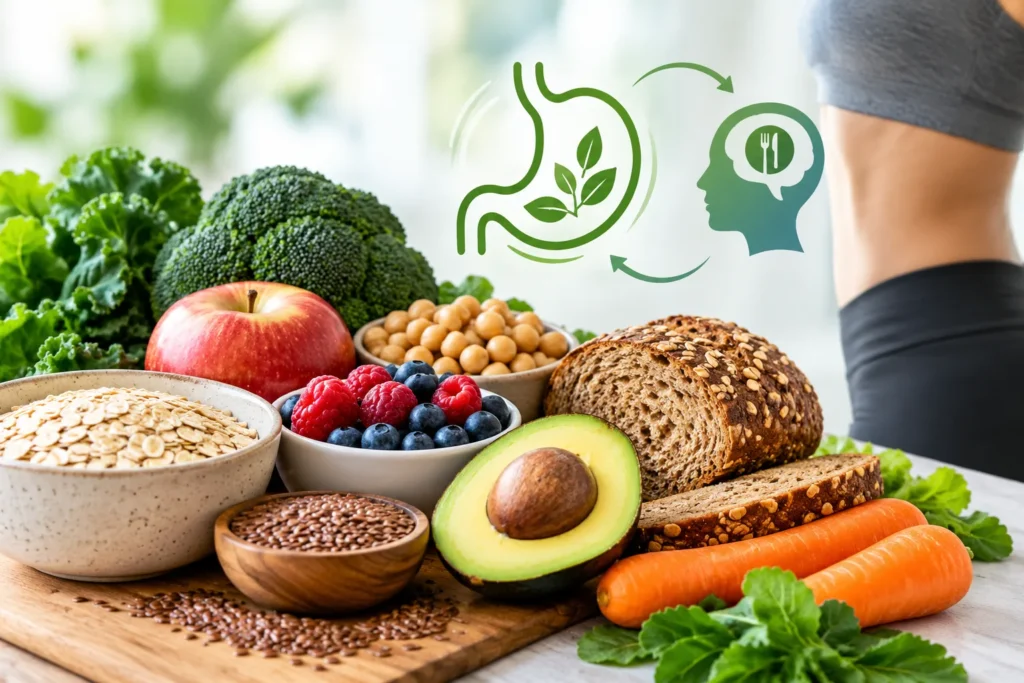
Protein intake is essential because it supports muscle repair and recovery after high-intensity workouts. Carbohydrates replenish glycogen stores and provide energy for repeated intervals, while healthy fats contribute to hormonal balance and long-term health.
Hydration is particularly important in Oman’s climate. During HIIT sessions, sweat loss increases significantly, making water and electrolyte intake essential for maintaining performance and recovery.
Meal timing can also improve training efficiency. A balanced pre-workout meal consumed 60–90 minutes before exercise may improve energy availability, while post-workout meals help accelerate recovery and muscle adaptation.
Why Does Recovery Matter in HIIT Training Programs?
Recovery is one of the most critical yet overlooked elements of HIIT. Since HIIT places substantial stress on muscles and the cardiovascular system, the body requires adequate rest to repair and adapt effectively.
Insufficient recovery may lead to fatigue, reduced performance, hormonal imbalance, and increased injury risk. Sleep quality is especially important because muscle repair and growth hormone release occur primarily during deep sleep cycles.
Active recovery methods such as stretching, mobility work, foam rolling, and low-intensity walking help improve circulation and reduce muscle stiffness. Rest days should also be included strategically to maintain consistent progress.
In Oman’s warmer environment, hydration and electrolyte replacement become even more important during recovery periods to support physical performance and prevent dehydration.
What Is the Best HIIT Training Plan for Weight Loss and Fitness in Oman?
A successful HIIT Training Oman program should balance intensity, progression, recovery, and consistency. Structured plans produce more sustainable results than random workouts because they gradually improve cardiovascular fitness and muscular endurance.
Most HIIT workouts last between 20 and 40 minutes, including warm-up and cooldown phases. Beginners generally benefit from two or three weekly sessions, while advanced athletes may perform HIIT more frequently depending on recovery capacity.
Variety is another important factor. Combining cardio intervals, strength circuits, and mobility exercises prevents training plateaus while improving motivation and adherence.
Below is an example of a balanced HIIT schedule for individuals aiming to improve fitness and fat loss:
| Day | Focus | Duration |
|---|---|---|
| Monday | Full Body Fat Burning HIIT | 30 Minutes |
| Tuesday | Recovery & Mobility | 20 Minutes |
| Wednesday | Lower Body HIIT Workout | 35 Minutes |
| Thursday | Active Recovery Cardio | 30 Minutes |
| Friday | Athletic HIIT Conditioning | 25 Minutes |
| Saturday | Core and Functional HIIT | 30 Minutes |
| Sunday | Rest and Recovery | Full Day |
What Should a Beginner Fat Burning HIIT Workout Include?
Beginner HIIT workouts should prioritize safety, movement quality, and gradual progression. Short intervals combined with longer recovery phases help the body adapt without excessive fatigue.
A beginner session may include:
- 20 seconds of exercise
- 40 seconds of recovery
- 5–8 exercise rounds
Effective beginner movements include:
- Bodyweight squats
- Marching in place
- Modified push-ups
- Step-ups
- Plank holds
Warm-ups should include mobility exercises and light cardiovascular activity to prepare the body for movement. Cooldowns should focus on stretching and breathing exercises to support recovery.
Consistency is more important than extreme intensity during the early stages. As fitness improves, workout complexity and interval duration can gradually increase.
How Can Advanced Athletes Improve Performance With HIIT Conditioning?
Advanced athletes require more strategic programming to continue progressing. Higher intensity intervals, shorter recovery periods, and resistance integration create greater physiological demands.
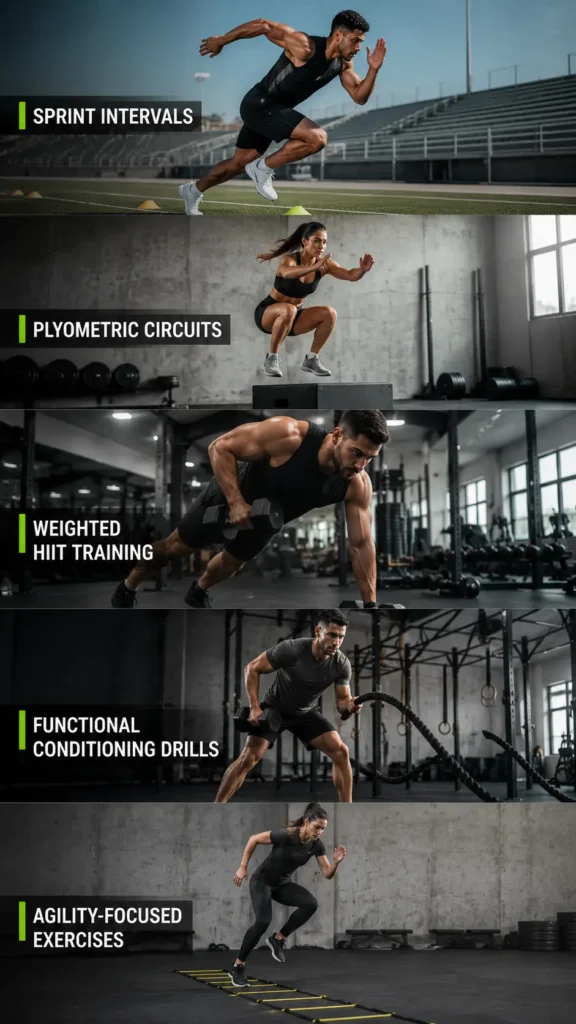
Athletes often use:
- Sprint intervals
- Plyometric circuits
- Weighted HIIT training
- Functional conditioning drills
- Agility-focused exercises
Performance tracking becomes important at advanced levels. Monitoring heart rate, recovery speed, and endurance capacity helps optimize workout quality and progression.
Cross-training methods further enhance athletic development while reducing repetitive strain injuries. Combining HIIT with resistance training and mobility work creates a complete performance-focused fitness strategy.
How Can HIIT Training Become a Sustainable Lifestyle in Oman?
Long-term success depends on consistency and sustainability rather than temporary motivation. Many individuals abandon fitness programs because they choose unrealistic routines that are difficult to maintain.
HIIT becomes sustainable when integrated into a balanced lifestyle with achievable scheduling, enjoyable workouts, and realistic fitness goals. Supportive coaching environments and measurable progress tracking also improve long-term adherence.
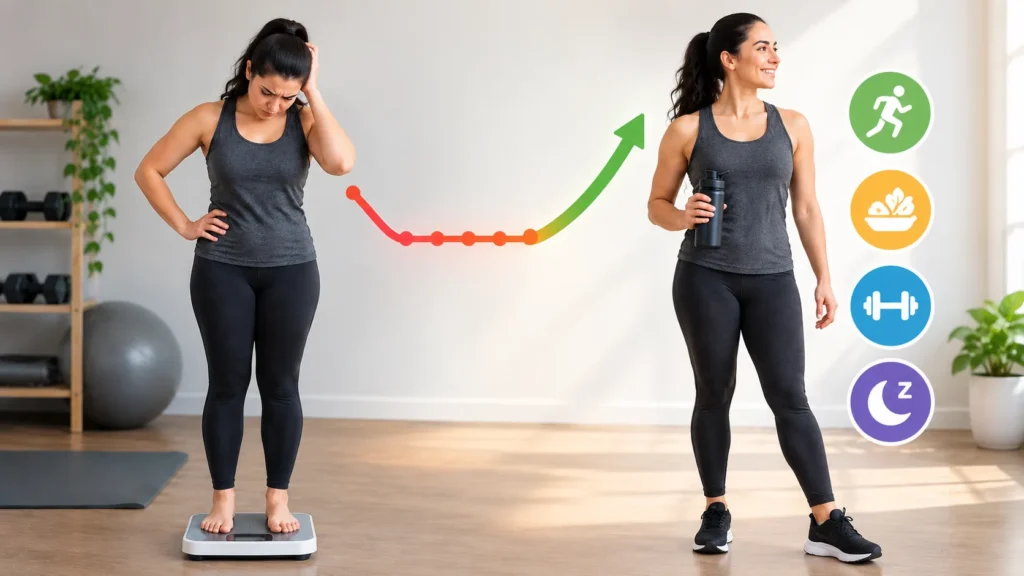
Beyond physical appearance, consistent HIIT training improves energy levels, sleep quality, confidence, cardiovascular health, and mental well-being. These lifestyle benefits often become stronger motivators than aesthetics alone.
At 5d fitness, structured HIIT programs are designed to help members maintain consistency, improve safely, and achieve long-term performance and health goals through expert coaching and progressive training systems.
Conclusion
HIIT Training Oman has become one of the most effective fitness solutions for individuals seeking weight loss, improved endurance, athletic conditioning, and better overall health. Through structured interval workouts, proper nutrition, and effective recovery strategies, HIIT helps individuals achieve measurable results in less time than traditional training methods.
From beginners looking for sustainable fat loss to athletes pursuing higher performance levels, fat burning HIIT provides adaptable and science-backed training systems suitable for different lifestyles and fitness goals in Oman.
Ready to experience real transformation through professional HIIT coaching? Join the advanced HIIT programs at 5d fitness and start building strength, burning fat, and improving performance with structured training systems designed for lasting results in Oman.
Frequently Asked Questions (FAQ)
HIIT stands for High-Intensity Interval Training, a workout method that alternates intense exercise with short recovery periods.
Yes. HIIT increases calorie burn and supports long-term fat reduction through metabolic stimulation.
Most HIIT workouts range between 20 and 40 minutes.
Yes. Beginner-friendly HIIT programs use lower intensity and longer recovery intervals.
The number depends on workout intensity and body composition, but HIIT can burn significant calories efficiently.
HIIT is generally more time-efficient and may create greater post-workout calorie burn.
HIIT can help preserve and develop lean muscle when resistance exercises are included.
No. Recovery is essential, and most people benefit from 2–5 sessions weekly.
A light meal containing carbohydrates and protein is usually recommended before training.
Yes. HIIT enhances endurance, speed, recovery capacity, and cardiovascular efficiency.
Yes. HIIT is highly adaptable for indoor gym or home-based training environments.
Many individuals notice improved endurance and energy levels within a few weeks of consistent training.