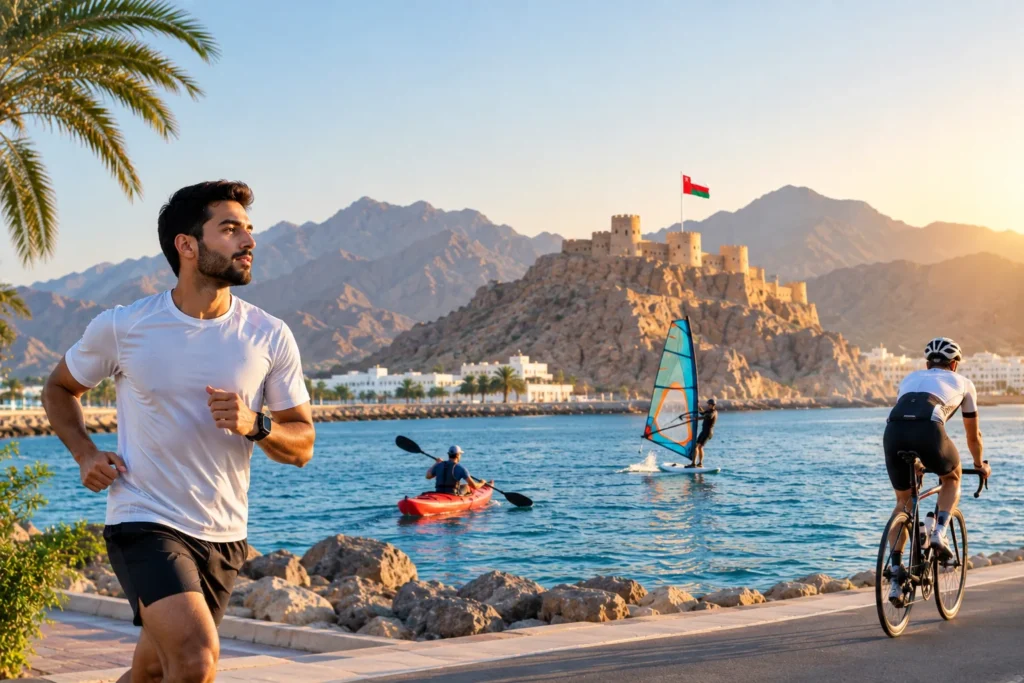
Choosing the right sports facility location selection strategy is essential for developing a successful gym, sports complex, or community recreation center. The right location can improve accessibility, attract the intended audience, control operating costs, and support long-term growth. However, selecting a site based only on low rent or a large available space can create financial and operational challenges.
Investors, facility managers, and sports planners should evaluate several factors together, including transportation, local demand, competition, neighborhood conditions, and future development potential. This guide explains how to assess these factors and compare potential locations systematically.
What Makes Sports Facility Location Selection Important?
Sports facility location selection is the process of evaluating and comparing potential sites to identify the most suitable place for a sports business or public recreation facility. The decision influences who can access the facility, how much it costs to operate, and whether its services match local demand. A 2023 study in the Journal of Facilities Management identifies five key criteria: ease of access, facility features, financial issues, neighborhood, and market. These criteria provide a practical starting point for comparing sites. The most suitable location depends on the facility’s purpose, target audience, available budget, and long-term objectives.
How Should You Match the Location to Your Facility’s Purpose?
Start by defining the type of facility you intend to develop. A neighborhood gym may benefit from proximity to residential areas, while a tournament venue may require larger parking areas, road access, and sufficient space for spectators. A community sports center may prioritize affordable access and service to underserved populations. Consider the activities offered, expected visitor numbers, operating hours, and space requirements before evaluating specific properties. A location that works well for a small fitness studio may not be appropriate for a swimming complex or multi-court sports facility. Establishing these requirements early helps eliminate unsuitable options and makes comparisons more objective.
How Do Accessibility and Infrastructure Affect a Sports Facility Location?
Accessibility influences whether customers, athletes, employees, and visitors can reach a facility conveniently. Even a well-equipped center may struggle if its location involves difficult journeys, inadequate parking, or unsafe walking routes. Transportation options should match the habits of the intended audience, including people who travel by car, public transport, bicycle, or on foot. Infrastructure also affects construction and operating feasibility. Before selecting a site, investigate road capacity, utility availability, pedestrian access, emergency access, and whether the property can accommodate the facility’s required layout. Accessibility should be evaluated at different times of day, especially during expected peak periods.
Which Transportation and Accessibility Features Should You Check?
Evaluate the distance to major roads and public transport stops, service frequency, traffic congestion, parking capacity, and safe pedestrian routes. Also consider step-free access, accessible parking, entrances, changing facilities, and circulation routes for people with disabilities. The US Access Board’s sports facilities guidance explains accessibility requirements for sports and recreation environments. Although the applicable regulations vary by country, inclusive access should be part of the initial site assessment rather than an expensive later adjustment. Visit candidate locations during busy periods and test common journeys to understand practical barriers that a map alone may not reveal.
How Should You Evaluate Local Demand and Competition?
A suitable location needs an audience whose interests align with the facility’s services. Population size alone is insufficient: age distribution, household characteristics, income levels, sporting preferences, and nearby institutions may influence demand. Existing gyms, sports clubs, schools, parks, and recreation centers can indicate both competition and opportunities for collaboration. Research should establish whether the market is underserved, oversaturated, or suitable for a differentiated offering. Sport England emphasizes the importance of placing facilities where they can meet community needs in its sports planning guidance.
How Can You Research Market Demand Before Committing?
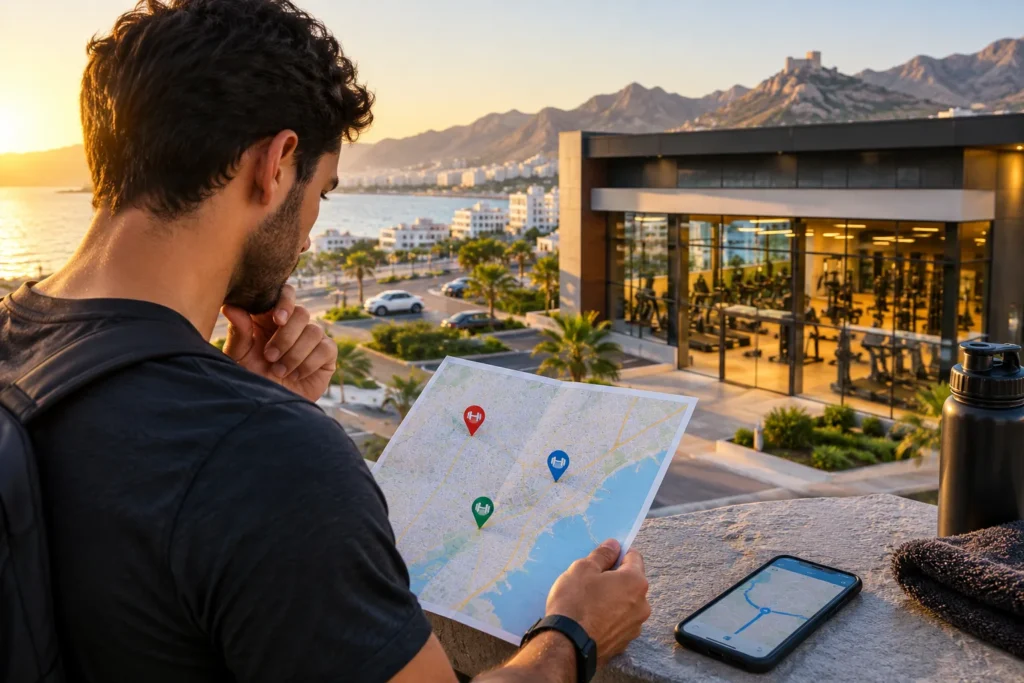
Map competing facilities within a realistic travel area and compare their services, prices, opening hours, capacity, and customer segments. Use demographic information, local planning documents, surveys, and interviews with potential users to test assumptions. Nearby schools, workplaces, residential developments, or sports clubs may create opportunities, depending on the facility type. Avoid assuming that a high population guarantees enough paying customers. Likewise, the presence of competitors does not automatically make an area unattractive; established competitors may indicate demand. The key question is whether your proposed facility can serve a clear audience with a sustainable and distinctive offer.

Which Financial and Environmental Factors Should You Consider?
The cost of a property is only one component of financial feasibility. A site with inexpensive rent may require extensive renovation, additional parking, utility upgrades, or costly transport arrangements. Assess purchase or lease costs alongside construction, maintenance, staffing, insurance, utilities, permits, and expected revenue. Environmental and neighborhood conditions also matter. Noise restrictions, flood exposure, extreme weather, land-use rules, and neighboring activities can affect feasibility and future operating costs. A structured assessment should distinguish between one-time investment costs and recurring expenses. It should also consider whether the location can support future expansion without requiring a costly relocation.
How Can You Compare Total Costs and Long-Term Risks?
Prepare a realistic financial forecast for each candidate site. Include initial investment, monthly operating expenses, expected membership or booking revenue, and a contingency for unexpected costs. Confirm zoning, planning permission, lease restrictions, and relevant safety requirements with local authorities and qualified professionals. Assess drainage, utility capacity, site access, and the compatibility of the proposed activities with nearby properties. Do not rely entirely on optimistic attendance forecasts. Scenario planning can help test whether the project remains viable if customer growth is slower or operating costs are higher than expected. Legal, engineering, and financial due diligence should be completed before signing a binding agreement.
How Can You Compare and Select the Best Sports Facility Location?
After identifying the essential requirements, compare candidate sites using the same criteria. A weighted scoring model helps decision-makers distinguish essential conditions from preferences and document why one option performs better than another. Research published in the Journal of Facilities Management demonstrates the use of the Analytical Hierarchy Process (AHP) to prioritize location criteria and evaluate alternative sites. The method is useful because it replaces informal impressions with a more consistent decision framework. However, a high score cannot compensate for a critical legal, safety, or financial problem; mandatory requirements should be checked before the final ranking.
What Should a Sports Facility Site Selection Checklist Include?
Use this checklist to evaluate each shortlisted property:
| Criterion | What to evaluate |
|---|---|
| Accessibility | Roads, public transport, parking, and pedestrian routes |
| Market demand | Target audience, local needs, and potential customer base |
| Competition | Nearby facilities, pricing, and service gaps |
| Financial feasibility | Purchase or rent, setup costs, and operating expenses |
| Safety and environment | Neighborhood conditions, hazards, and emergency access |
| Infrastructure | Utilities, site size, layout, and building suitability |
| Future potential | Expansion options and planned neighborhood development |
How-to:
Compare locations in four steps
- Define your facility type, audience, and minimum site requirements.
- Shortlist properties and gather comparable market, transport, and cost data.
- Score each site against weighted criteria and investigate any major weaknesses.
- Complete legal, technical, and financial checks before making a commitment.
Conclusion
Successful sports facility location selection requires more than finding available land or an affordable building. It involves understanding the intended audience, evaluating accessibility, analyzing competition, forecasting total costs, and checking environmental and regulatory constraints. A consistent comparison framework can reduce avoidable risks and help decision-makers select a location aligned with long-term goals. Explore more practical sports planning and fitness insights from 5dfitness, and use these criteria to begin evaluating your next facility opportunity.
Frequently Asked Questions
There is no single best factor for every project. Accessibility, market demand, financial feasibility, and site suitability should be evaluated according to the facility’s purpose.
No. Lower rent may be offset by renovation expenses, poor access, limited demand, or higher operating costs.
Competition helps reveal market conditions. Study competitors’ services and identify whether your facility can meet a distinct or underserved need.
Often, yes. Public facilities may place greater emphasis on equitable access, community needs, and serving underserved populations, alongside cost and operational feasibility.
Population growth, new transport links, and nearby development may affect demand and accessibility. Future changes should be assessed using credible local plans rather than assumptions.