Choosing a sports facility is an important decision that can influence your training consistency, performance, and overall fitness experience. The right environment should match your goals, provide suitable equipment, maintain high safety standards, and fit your schedule and budget. Whether you are a bodybuilder, an athlete, or a beginner, the most expensive facility is not necessarily the best choice.
Listen
At 5dfitness, we encourage an evidence-informed approach to evaluating sports facilities so that your decision is based on practical needs rather than appearance or promotional offers.
How Can You Match a Sports Facility to Your Training Goals?
Before comparing facilities, define what you want to achieve. Your goals determine which equipment, services, and training spaces are most important. A strength athlete may need free weights and racks, while someone focused on cardiovascular fitness may prioritize treadmills, cycling equipment, or swimming facilities. People interested in team sports may need courts, coaching, and organized sessions. The American College of Sports Medicine (ACSM) recommends identifying your main fitness objectives before selecting a facility. Its fitness facility selection guide emphasizes matching available programs and equipment to personal exercise interests.
Which Type of Sports Facility Suits Your Training Style?
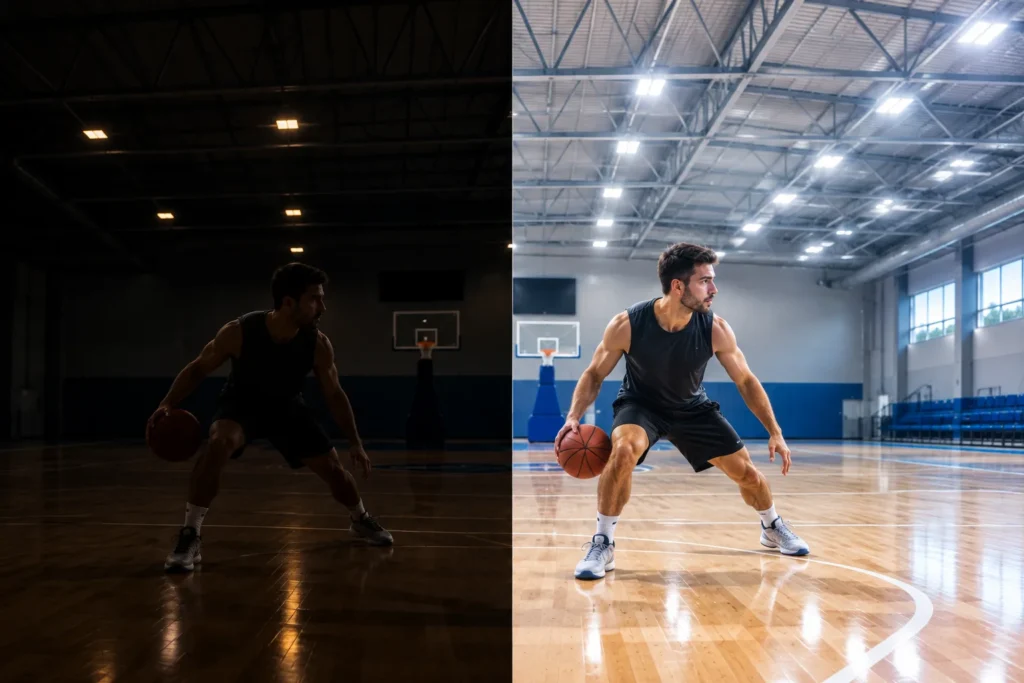
Different facilities serve different needs. Traditional gyms are often suitable for resistance training and general fitness, while specialized sports centers may offer swimming pools, indoor courts, athletics spaces, or functional training areas. Some facilities combine several options, which can be useful if your routine includes different activities.
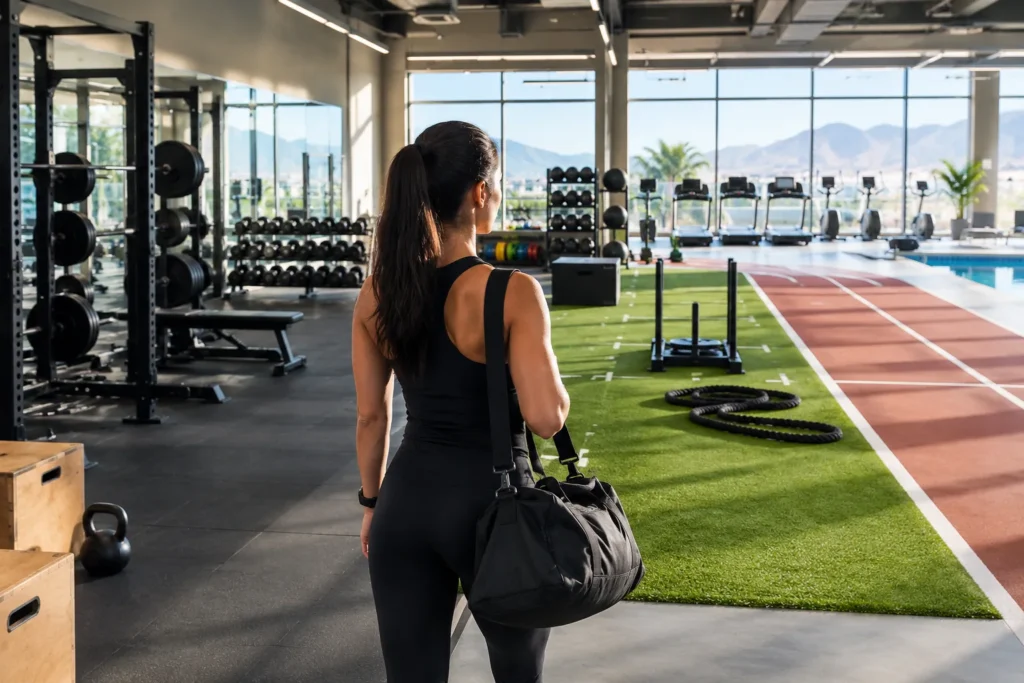
Consider your actual training plan rather than choosing a facility simply because it offers many services. If your primary goal is building strength, check the availability and condition of barbells, dumbbells, benches, and squat racks. If you participate in a particular sport, look for suitable training areas and qualified coaches.
Your experience level also matters. Beginners may benefit from introductory sessions and equipment guidance, whereas experienced athletes may prioritize specialized equipment and flexible training hours. The best facility is the one that supports your specific goals and makes consistent participation practical.
Which Equipment and Amenities Should You Look For?
Equipment quality and service availability influence how effectively you can follow your training program. However, more equipment does not automatically mean better training. Focus on whether the facility has the tools you need, whether they are maintained properly, and whether the available space supports safe movement. Consider additional services, such as personal training, group classes, changing rooms, and accessible facilities, according to your priorities. A useful evaluation considers both essential training resources and the practical features that make regular visits comfortable.
Which Equipment Is Essential for Your Workout Routine?
Make a list of the equipment your current program requires. Strength training may require free weights, resistance machines, racks, and appropriate lifting areas. Cardiovascular training may require treadmills, stationary bikes, rowing machines, or other endurance equipment. Functional training and sports-specific preparation may need open floor space, resistance bands, medicine balls, or agility equipment.
During a visit, check whether equipment is functional, stable, and appropriately maintained. Also consider availability at your usual training time. A facility may have excellent equipment, but long queues for essential machines can make your sessions less practical.
Sports Facility Comparison Checklist
| Evaluation criterion | What to check |
|---|---|
| Equipment | Availability, condition, and suitability |
| Coaching | Qualifications and services offered |
| Safety | Clear walkways and emergency procedures |
| Cleanliness | Hygiene and equipment maintenance |
| Location | Travel time and accessibility |
| Membership | Total cost and cancellation terms |
How Important Are Coaches and Additional Amenities?
Qualified instructors can help beginners learn exercise techniques and help experienced members develop structured programs. Before paying for coaching, ask about qualifications, relevant experience, session prices, and whether an initial assessment is available. If you have specific medical or accessibility needs, find out whether the facility can accommodate them appropriately.
Amenities should support your routine rather than distract from it. Showers, lockers, parking, accessible entrances, and group classes may improve convenience, depending on your circumstances. Ask whether these services are included in the membership or require additional payment.
Prioritize features you will genuinely use. Paying extra for facilities that do not contribute to your training goals may provide little practical value.
How Can You Evaluate Sports Facility Safety and Cleanliness?
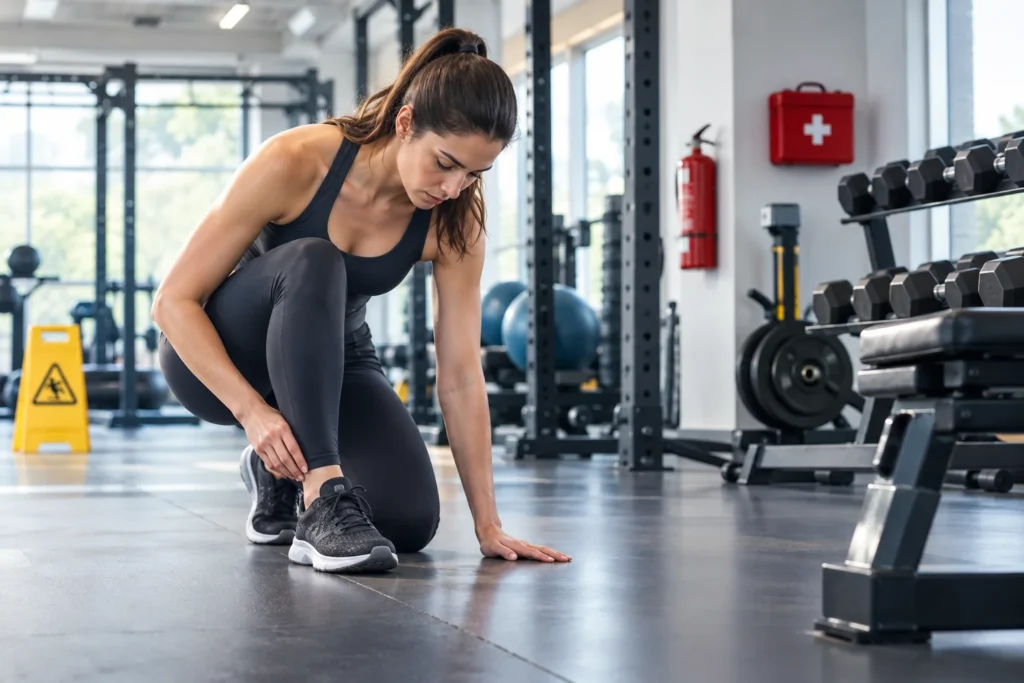
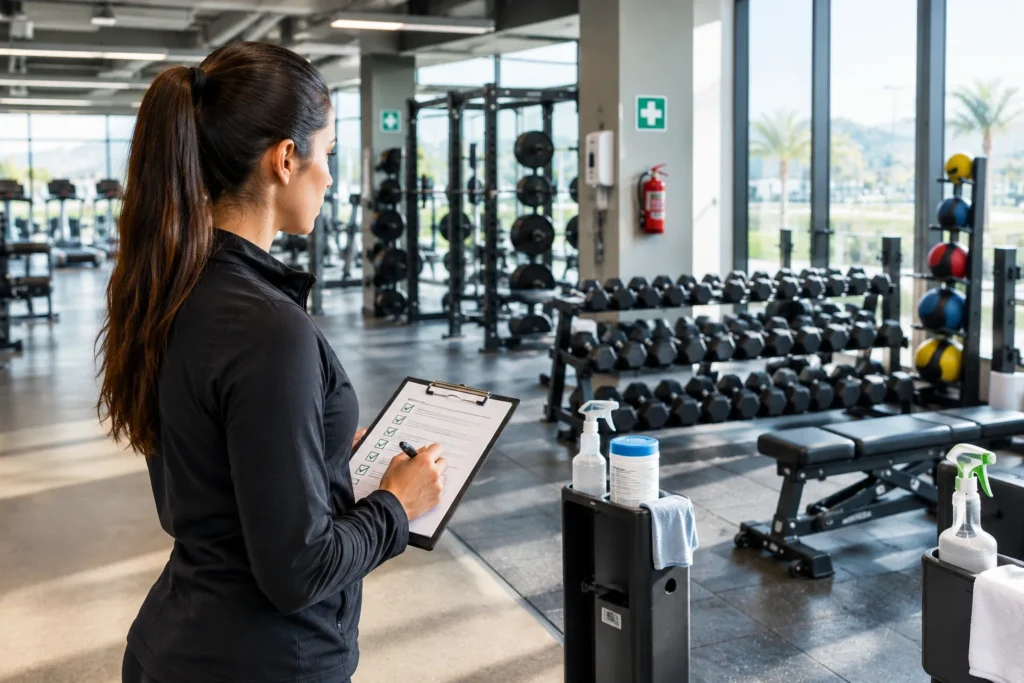
A suitable sports facility should provide a well-maintained environment where members can exercise without unnecessary hazards. During your visit, inspect the condition of equipment, the organization of training areas, the cleanliness of shared surfaces, and the availability of staff who can respond to emergencies. Lighting, ventilation, safe flooring, and unobstructed walkways also matter. The ACSM identifies safety procedures, equipment, professional staffing, and emergency planning as important components of fitness facility standards. These considerations should be evaluated alongside equipment quality and cost, not treated as optional extras.
What Safety Features Should a Sports Facility Provide?
Look for clearly marked emergency exits, accessible first-aid supplies, and staff who understand emergency procedures. Depending on the facility, an automated external defibrillator (AED) and trained personnel may also be important safety provisions.
Inspect the layout for loose cables, damaged flooring, unstable equipment, and overcrowded exercise areas. Ask how equipment faults are reported and whether damaged machines are taken out of use until repaired. For sports involving contact, swimming, or specialized equipment, check that the facility has relevant rules, supervision, and protective measures.
No checklist can guarantee that injuries will never occur. However, a facility that takes maintenance, member orientation, and emergency preparation seriously demonstrates a responsible approach to safety.
How Should You Compare Location, Membership Costs, and Convenience?
A facility can have excellent equipment but still be a poor choice if reaching it is difficult or its schedule conflicts with your routine. Consider the full cost of membership, including registration fees, coaching, classes, parking, and any optional services you expect to use. Visit during the hours when you would normally train to assess crowding and equipment availability. Convenience is not a minor detail: a realistic travel time and schedule can make it easier to maintain a consistent routine. Compare the total value of each option rather than judging facilities by monthly price alone.
Which Membership Terms Should You Check Before Signing Up?
Ask for a clear breakdown of recurring and one-time charges. Check the membership duration, renewal policy, cancellation process, refund conditions, and any additional fees for classes or personal training. Make sure promotional prices and verbal offers are reflected accurately in the written agreement.
The District of Columbia Office of the Attorney General advises consumers to review gym contracts carefully and understand cancellation requirements and additional charges before signing. Its guidance highlights a simple principle:
“Read it and ask questions.”
Rules differ by location, so check the consumer protection requirements that apply where you live. If possible, request a trial session or short-term membership before committing to a long contract.
How Can You Make the Final Sports Facility Selection?
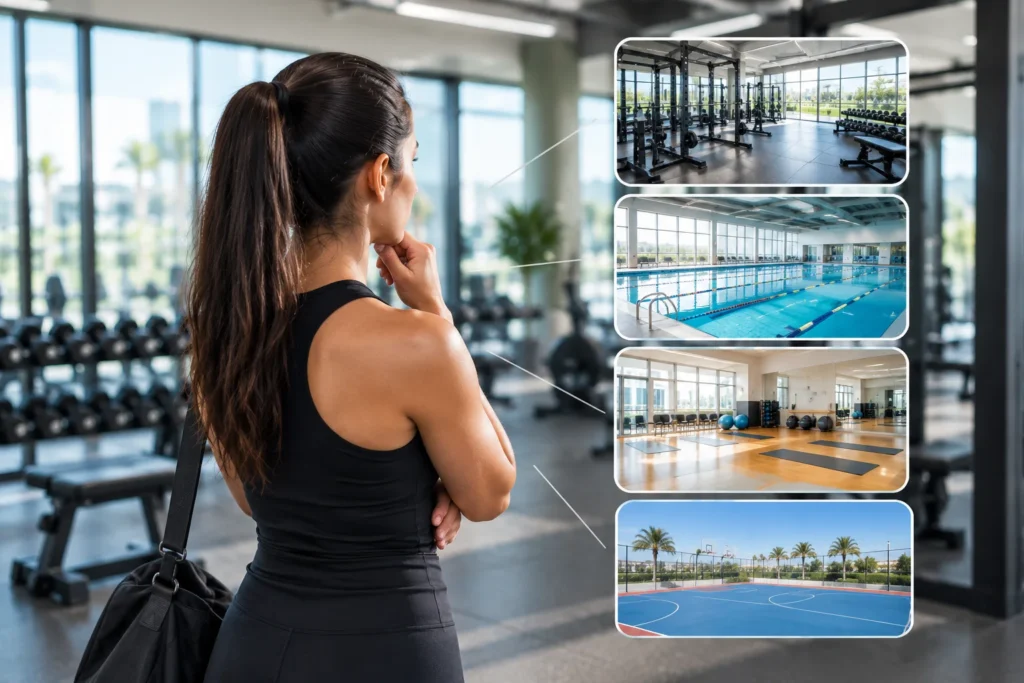
After assessing your training requirements, equipment, safety, and membership terms, compare your strongest options using the same criteria. Avoid letting attractive interiors or limited-time promotions outweigh practical considerations. A short trial visit can reveal crowding, staff availability, and the overall training environment more accurately than a promotional tour. Your final choice should meet your essential needs, fit your budget, and make regular training realistic. A structured decision process reduces the risk of paying for services you do not use and helps you select a facility that supports long-term participation.
What Should You Check During a Facility Visit?
Use this simple process before committing:
- Write down your primary training goals and essential equipment requirements.
- Visit at your usual training time and observe crowding.
- Inspect equipment condition, cleanliness, ventilation, and walkways.
- Ask about coaching qualifications, safety procedures, and extra charges.
- Read the membership agreement and confirm cancellation conditions.
- Compare at least two facilities and, when available, try a session before deciding.
Conclusion
Choosing the right sports facility requires more than comparing equipment or membership prices. Your decision should reflect your training goals, safety requirements, budget, preferred environment, and daily schedule. A carefully selected facility can make your training more convenient and help you maintain consistent participation over time.
At 5dfitness, we recommend prioritizing practical value over appearance or promotional offers. Your next step: shortlist two or three facilities, use the comparison checklist, and arrange a visit before signing up. Choose the environment that best supports your goals and makes your next workout easier to commit to.
Frequently Asked Questions
Choose a facility that matches your training goals and provides suitable equipment, safe conditions, and convenient access.
No. Compare equipment quality, services, safety, convenience, and total cost rather than price alone.
Yes, if a trial is available. It helps you assess crowding, equipment access, and the overall environment.
Look for suitable equipment, clear guidance, qualified staff, and an environment where you feel comfortable learning.
Review the full cost, contract length, automatic renewal, additional fees, and cancellation terms.
A convenient location and suitable opening hours can make regular attendance easier to maintain.