Educational Content
Expert guides and specialized articles to enhance your performance and well-being

Best Drinks for Recovery After a Workout
The best recovery drink depends on workout intensity, duration, sweat loss, nutrition needs, and the time available before the next training session. Water may be enough after moderate exercise, while electrolyte drinks can help after substantial sweating. Protein shakes and milk can support post-workout protein intake, while carbohydrate-containing drinks may help athletes who need rapid glycogen restoration. Homemade shakes can also provide a practical combination of fluids, protein, and carbohydrates.
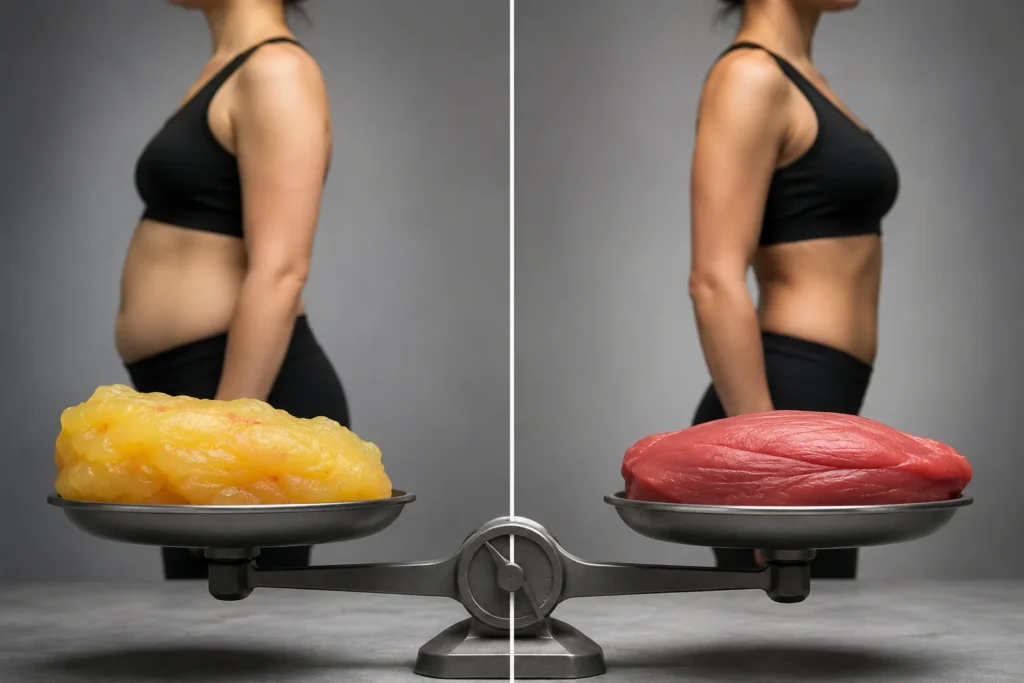
What Is the Difference Between Weight Loss and Fat Loss?
Weight loss and fat loss are often used interchangeably, but they are not the same process. Weight loss refers to a reduction in total body weight, which can include fat, muscle, water, glycogen, and other tissues. Fat loss, in contrast, specifically refers to reducing the amount of stored body fat. Understanding the difference between weight […]

7 Common Fitness Training Mistakes and How to Avoid Them
Fitness training can improve strength, cardiovascular health, body composition, mobility, and overall physical performance. However, training harder does not always mean achieving better results. Common mistakes such as using excessive weight, neglecting recovery, progressing too quickly, following random workouts, and sacrificing technique can reduce training effectiveness and potentially increase injury risk. This article examines seven common fitness training mistakes and provides practical, evidence-based strategies for avoiding them. By focusing on proper technique, progressive overload, recovery, realistic goals, structured programming, and long-term consistency, athletes and fitness enthusiasts can create a safer and more sustainable approach to training. في هالمقال، بنستعرض **سبعة أخطاء شائعة في تدريب اللياقة البدنية**، وبنقدم استراتيجيات عملية ومبنية على الأدلة لتجنبها. ومن خلال التركيز على التكنيك الصحيح، وزيادة الحمل التدريجي، والتعافي، ووضع أهداف واقعية، واتباع برنامج تدريبي منظم، والاستمرارية على المدى الطويل، يقدر الرياضيون ومحبو الفيتنس يبنون أسلوب تدريب أكثر أمانًا واستدامة.

Best Drinks for Weight Loss and Body Fat Reduction
Choosing the right beverages can support weight loss by reducing unnecessary calorie intake, improving hydration, and helping athletes meet nutritional needs. Water is the strongest foundation because it contains no calories. Unsweetened coffee and tea can provide low-calorie alternatives, while caffeine may offer temporary increases in alertness and energy expenditure. Protein shakes and balanced smoothies can help active people meet protein requirements when their calories are controlled. Sugary sodas, sweetened coffees, energy drinks, and other high-calorie beverages should generally be limited. Sustainable fat loss ultimately depends on maintaining an appropriate calorie deficit while preserving muscle, supporting training performance, and maintaining adequate hydration.

Walking or Running; Which Is Better for Fitness?
Walking and running are both effective forms of aerobic exercise, but they serve different purposes. Running generally produces greater energy expenditure and cardiovascular demand per minute, making it efficient for people seeking stronger conditioning in limited time. Walking, particularly brisk or uphill walking, provides meaningful aerobic activity with lower mechanical and recovery demands. Beginners, people returning to exercise, and strength-focused athletes may benefit from making walking the foundation of their cardiovascular activity, while runners and endurance athletes require running-specific training. For many people, combining frequent walking with strategically planned running offers the most flexible balance between health, fitness, performance, and recovery.
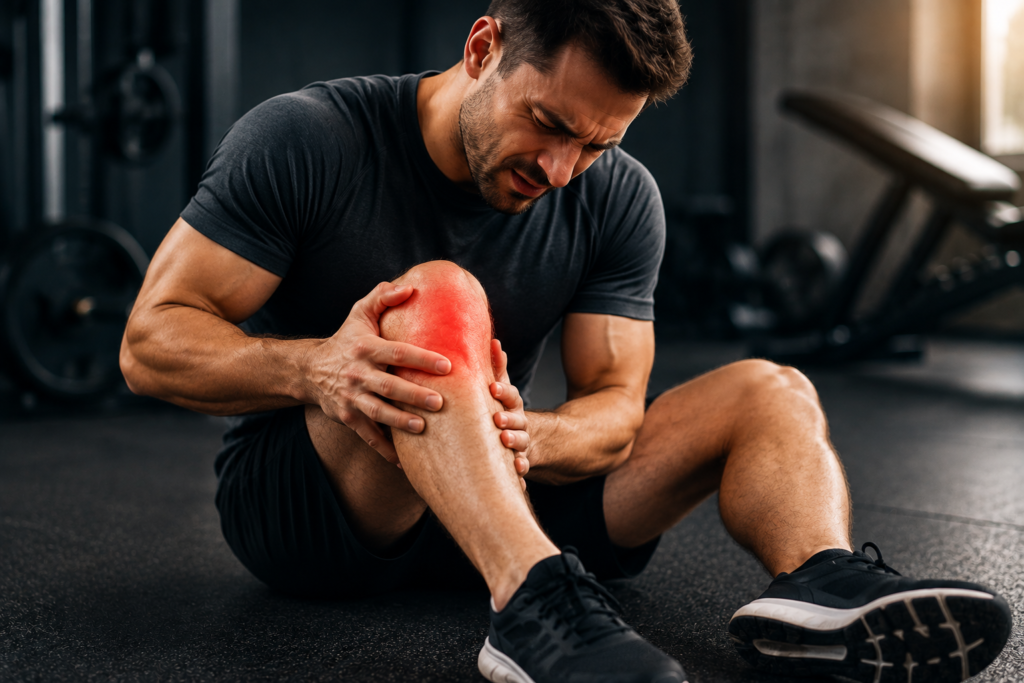
How Can You Prevent Injuries During Exercise?
Exercise injuries are usually caused by an interaction between training load, physical capacity, technique, recovery, previous injuries, equipment, and environmental factors rather than a single mistake. The most effective prevention strategy is therefore comprehensive. Gradual progression is one of the most important principles. The body needs time to adapt to increasing workloads, and sudden increases in intensity, duration, frequency, or resistance can raise musculoskeletal injury risk. Proper technique, activity-specific warm-ups, adequate strength, appropriate mobility, and fatigue management further improve training quality. Recovery is equally important. Sleep, nutrition, hydration, rest, and workload management determine how effectively the body adapts to exercise. People with previous injuries, older adults, beginners, and individuals with significant health considerations may require more individualized programming or professional evaluation. The central conclusion is that safe exercise does not mean avoiding challenging activity. It means creating a sustainable relationship between training stress and the body's capacity to recover and adapt. Regular physical activity remains strongly associated with broad health benefits, so the goal should be smarter participation rather than inactivity.