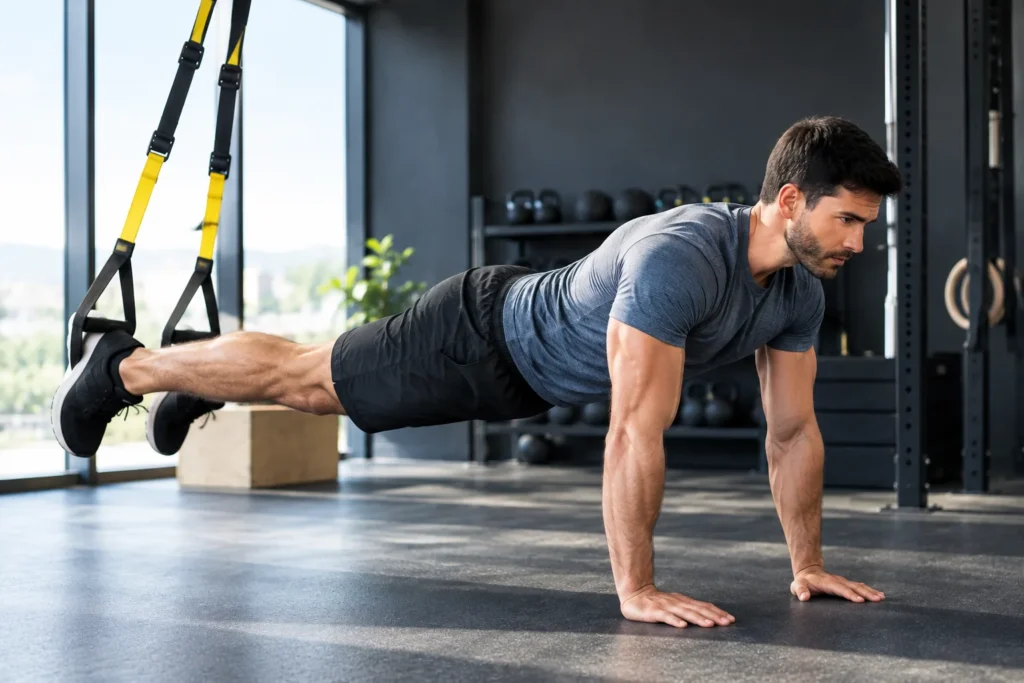
Strength Training Oman has become one of the fastest-growing fitness trends among athletes, working professionals, and individuals seeking sustainable weight loss and better health. With increasing awareness about functional fitness, body composition, and long-term wellness, more people are shifting away from short-term dieting and toward structured resistance training programs.
At 5d fitness, strength-focused programs are designed to help individuals improve muscle mass, increase metabolism, reduce body fat, and build long-term physical resilience. Whether your goal is muscle building Oman, athletic performance, or simply improving your overall health, strength training offers scientifically proven benefits for both men and women of all ages.
According to renowned strength coach Mark Rippetoe, “Strong people are harder to kill than weak people, and more useful in general.” This statement highlights the practical value of strength beyond aesthetics. Proper training enhances everyday movement, improves posture, supports mental health, and reduces the risk of chronic disease.
This guide explores the principles, benefits, methods, and best practices of strength training in Oman while helping readers understand how to choose the right fitness environment and achieve measurable results safely and efficiently.
What Makes Strength Training Oman So Effective for Body Transformation?
Strength training is far more than lifting heavy weights. It is a structured system designed to stimulate muscle adaptation, improve metabolic efficiency, and enhance physical performance. In Oman, fitness culture has evolved significantly over the past decade, leading to increased demand for scientifically guided training programs that produce sustainable results.
Many individuals initially start exercising for weight loss, but they soon discover that resistance training offers additional benefits such as increased confidence, better posture, stronger bones, and improved athletic ability. Unlike crash diets or excessive cardio routines, strength training supports long-term body recomposition by helping the body maintain lean muscle mass while reducing fat.
Why Does Strength Training Burn More Fat Than Cardio Alone?
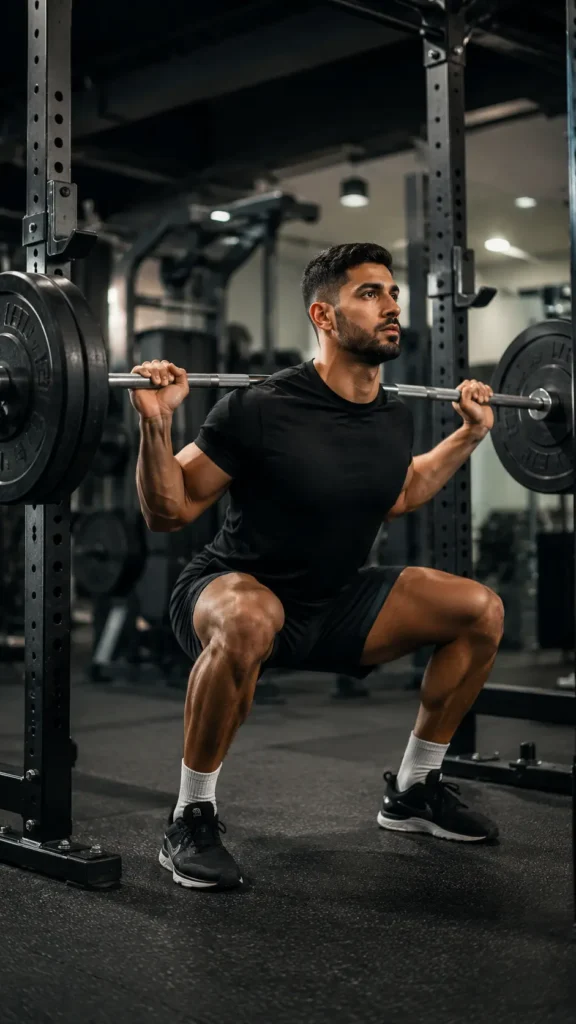
One of the biggest misconceptions in fitness is that cardio is the only solution for weight loss. While cardiovascular exercise burns calories during activity, strength training increases lean muscle tissue, which raises resting metabolic rate. This means the body continues burning calories even after the workout ends.
Muscle tissue requires more energy than fat tissue. Therefore, individuals who participate in consistent muscle building Oman programs often experience improved fat-burning efficiency throughout the day. This process, commonly referred to as the “afterburn effect,” allows the body to consume additional oxygen and calories during recovery.
Strength training also helps preserve muscle mass during weight loss phases. Many people who rely solely on dieting or cardio lose both fat and muscle simultaneously, which slows metabolism and makes maintaining results more difficult. Resistance training protects lean tissue while promoting healthier and more sustainable fat reduction.
According to Brad Schoenfeld, “Resistance training is the cornerstone of body composition improvement.” His extensive research on hypertrophy demonstrates the critical role strength training plays in fat loss and muscle development.
How Does Strength Training Improve Daily Life and Athletic Performance?
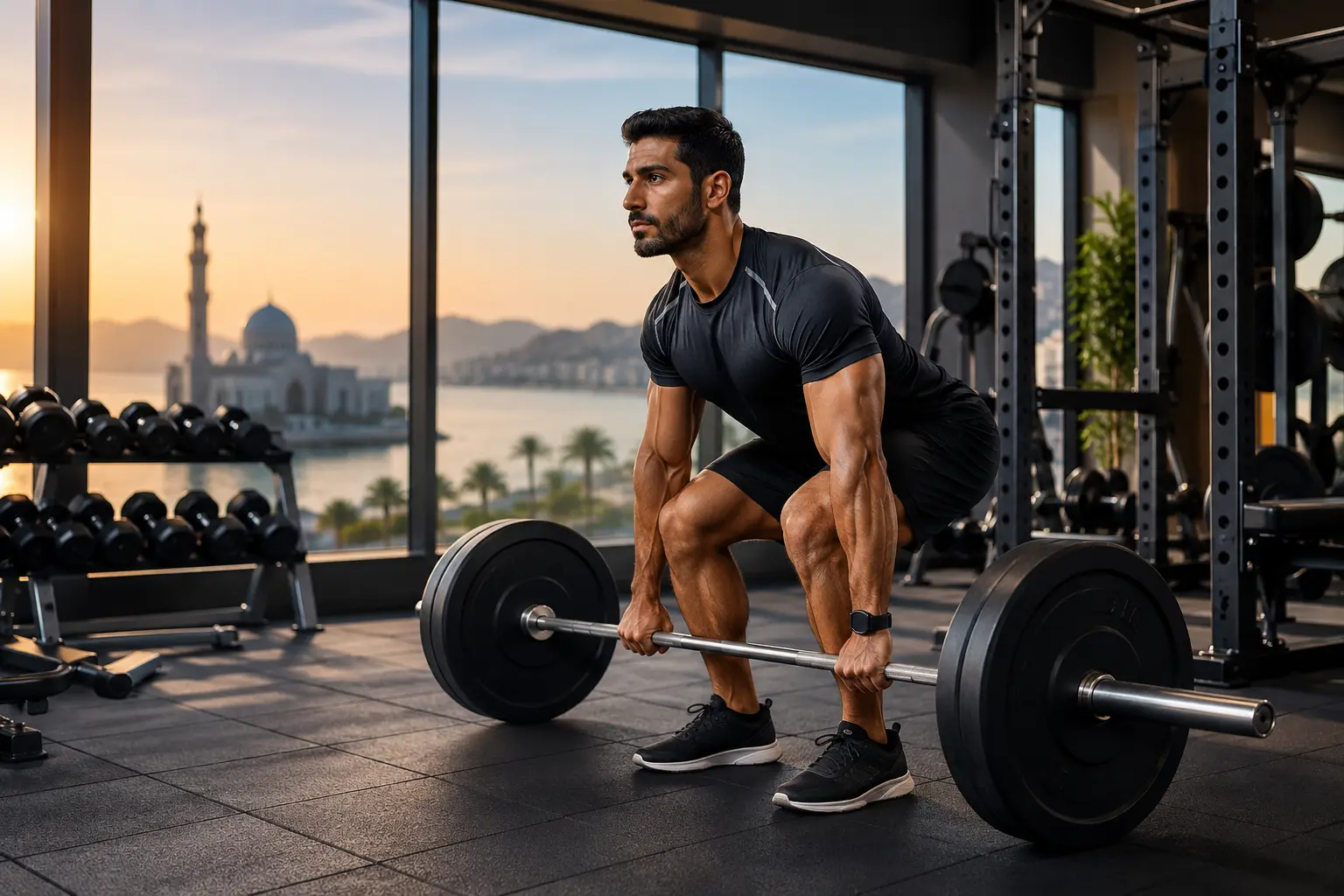
Strength training improves much more than appearance. Functional movement patterns such as squats, deadlifts, pushing, pulling, and carrying directly translate into better performance during daily activities. Individuals experience increased energy levels, reduced joint pain, improved posture, and enhanced movement quality.
Athletes in Oman increasingly incorporate structured resistance training into their routines to improve speed, power, agility, and injury prevention. Stronger muscles support joints more effectively, reducing stress on ligaments and connective tissues.
Additionally, strength training positively affects mental health. Studies show resistance exercise can reduce stress, anxiety, and symptoms of depression while improving confidence and emotional resilience. The discipline and measurable progress associated with strength training create psychological benefits that extend beyond the gym environment.
How Can Beginners Start Strength Training Safely in Oman?
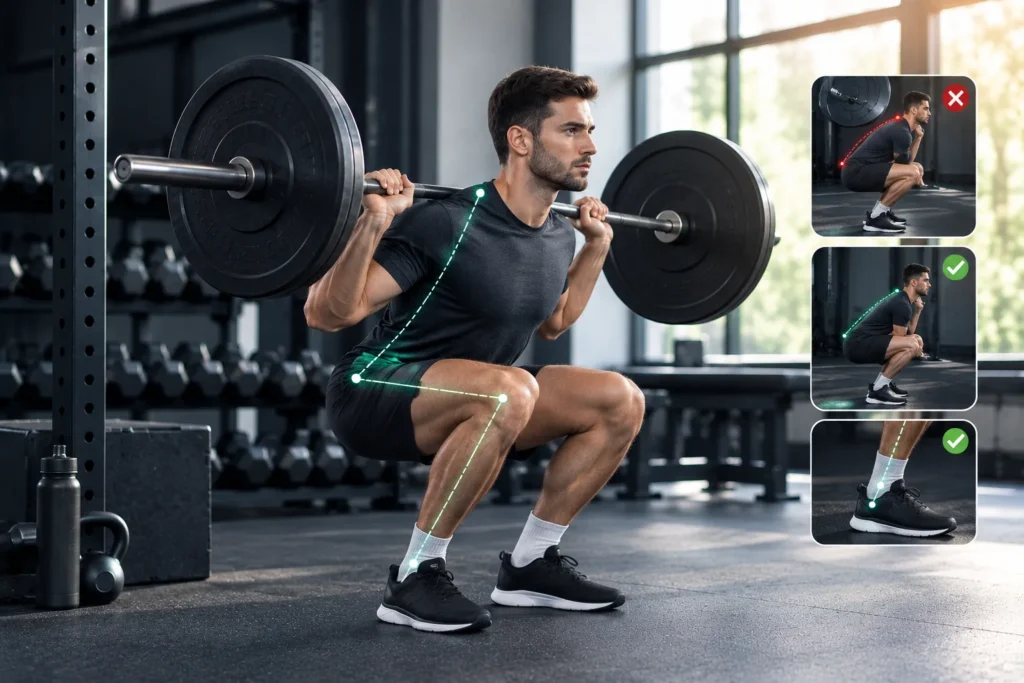
For beginners, entering a gym environment can feel intimidating. Many individuals worry about using equipment incorrectly or following ineffective routines. However, successful strength training begins with proper education, technique, and progressive overload rather than lifting maximum weight immediately.
Starting with a structured plan under professional supervision helps beginners build confidence while minimizing injury risk. Proper movement mechanics are essential for long-term progress and sustainable results.
Fitness experts recommend focusing on compound movements during the initial stages because these exercises train multiple muscle groups simultaneously and develop functional strength efficiently.
What Exercises Should Beginners Focus on First?
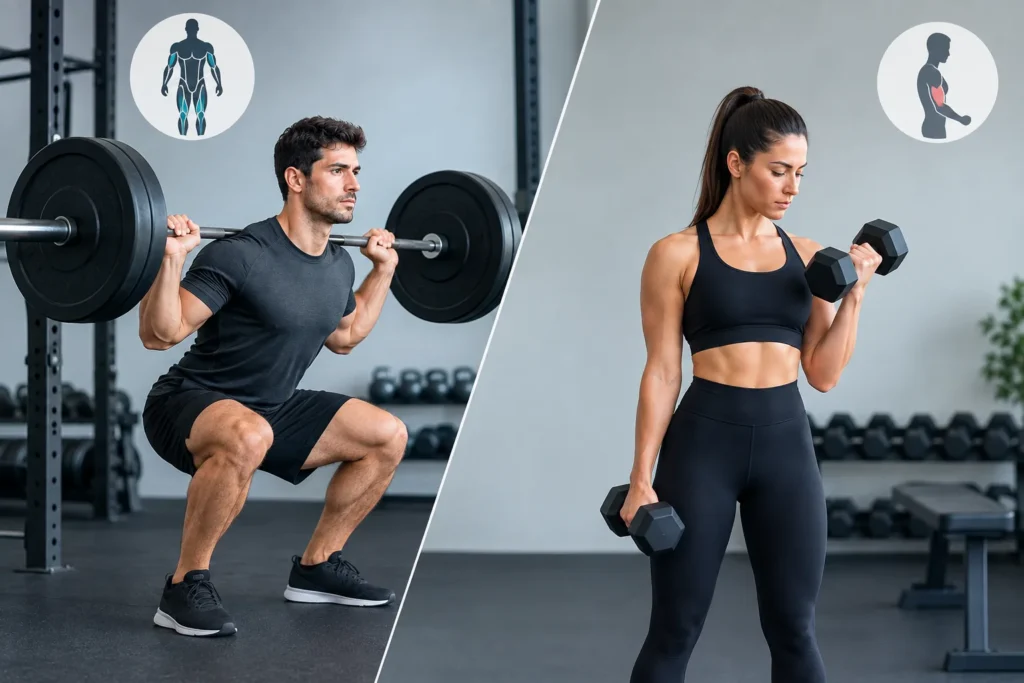
Beginners should prioritize foundational compound exercises such as squats, deadlifts, bench presses, overhead presses, lunges, and rowing movements. These exercises improve coordination, activate large muscle groups, and create a strong strength foundation.
For example:
| Exercise | Primary Muscles Targeted | Main Benefit |
|---|---|---|
| Squat | Legs & Core | Functional lower-body strength |
| Deadlift | Posterior Chain | Full-body power development |
| Bench Press | Chest & Triceps | Upper-body pushing strength |
| Row | Back & Biceps | Posture and pulling strength |
| Overhead Press | Shoulders & Core | Stability and shoulder strength |
A beginner does not need complicated training systems initially. Consistency, correct form, and gradual progression are more important than advanced workout techniques.
How Important Is Recovery in Muscle Building Oman Programs?
Recovery is one of the most overlooked aspects of fitness. Muscle growth does not occur during the workout itself; it occurs during recovery when the body repairs muscle fibers and adapts to training stress.
Sleep quality, hydration, nutrition, and rest days all influence recovery efficiency. Without proper recovery, individuals may experience fatigue, poor performance, increased injury risk, and slower progress.
Experts generally recommend:
- 7–9 hours of quality sleep
- Adequate protein intake
- Hydration throughout the day
- Active recovery sessions
- Proper stress management
According to Dr. Andy Galpin, “Recovery is not separate from training; recovery is training.” This principle emphasizes the importance of balancing workout intensity with adequate rest.
Why Is Nutrition Essential for Strength Training Results?
Nutrition directly impacts strength development, recovery, energy levels, and body composition. Even the most effective workout program will produce limited results without proper dietary support.
Individuals pursuing muscle building Oman goals must understand the importance of protein intake, calorie balance, nutrient timing, and hydration. Nutrition should support performance rather than restrict it excessively.
What Foods Support Muscle Growth and Fat Loss?
Protein-rich foods are essential for muscle repair and development. High-quality protein sources include chicken, fish, eggs, lean beef, Greek yogurt, and legumes. Carbohydrates provide workout energy, while healthy fats support hormonal balance and recovery.
The following nutrition structure supports most strength-training goals:
| Nutrient | Function | Common Sources |
|---|---|---|
| Protein | Muscle repair | Chicken, eggs, fish |
| Carbohydrates | Energy production | Rice, oats, potatoes |
| Healthy Fats | Hormonal support | Nuts, olive oil, avocado |
| Water | Hydration & recovery | Water, electrolytes |
Meal timing also matters. Consuming protein and carbohydrates after training helps replenish glycogen stores and accelerate muscle recovery.
Should Weight Loss Clients Avoid Strength Training?
Many people believe strength training is only for bodybuilders or athletes. In reality, resistance training is one of the best tools for healthy and sustainable weight loss.
When individuals lose weight through dieting alone, they often lose muscle mass along with fat. This slows metabolism and increases the likelihood of weight regain. Strength training preserves lean tissue and helps maintain metabolic efficiency.
Additionally, resistance training improves insulin sensitivity, cardiovascular health, and mobility. For overweight individuals in Oman seeking long-term transformation, combining proper nutrition with structured strength training provides superior results compared to cardio-only approaches.
How Does Professional Coaching Improve Training Results?
Many people struggle with consistency because they lack structure, accountability, or technical guidance. Professional coaching eliminates guesswork and provides individualized strategies based on goals, fitness level, and body composition.
In Oman’s growing fitness industry, professionally designed programs help individuals train smarter rather than harder. Coaches monitor exercise technique, progression, intensity, and recovery to maximize results safely.
Why Is Personalized Programming More Effective?
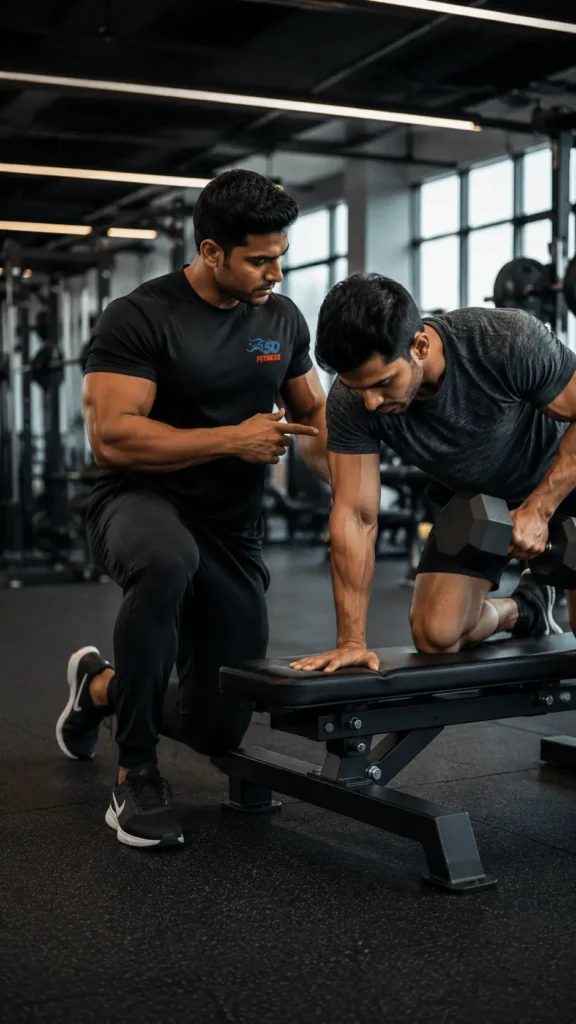
Every individual responds differently to exercise. Factors such as age, recovery capacity, mobility, training history, and body composition influence program design.
Personalized coaching ensures:
- Appropriate exercise selection
- Correct training intensity
- Injury prevention strategies
- Progress tracking
- Nutritional support
- Goal-specific programming
This individualized approach creates better long-term adherence and more measurable progress compared to generic online workout plans.
What Should People Look for in a Strength Training Facility in Oman?
Choosing the right training environment significantly impacts motivation and consistency. A high-quality fitness facility should provide:
- Certified coaches
- Structured programs
- Clean and safe equipment
- Supportive community
- Progress tracking systems
- Functional training spaces
An effective training environment also creates accountability and encourages long-term lifestyle change rather than short-term motivation.
Can Strength Training Help Long-Term Health and Aging?
Strength training is one of the most powerful tools for healthy aging. As people age, they naturally lose muscle mass, bone density, and mobility. Resistance training helps counteract these effects while maintaining independence and quality of life.
In Oman, more adults are recognizing the importance of fitness not only for aesthetics but also for long-term wellness and disease prevention.
How Does Strength Training Support Joint and Bone Health?
Contrary to common myths, properly executed strength training strengthens joints rather than damaging them. Resistance exercise improves connective tissue resilience and increases bone mineral density.
This is especially important for older adults who face increased risk of osteoporosis and mobility decline. Controlled strength training improves balance, coordination, and stability while reducing fall risk.
Why Is Consistency More Important Than Intensity?
Many people start fitness programs with extreme motivation but abandon them due to unrealistic expectations. Sustainable progress comes from consistent habits rather than short-term intensity.
Training three to four times per week consistently over several months produces significantly better results than sporadic high-intensity workouts. Long-term success requires patience, structured progression, and lifestyle integration.
Fitness is not a temporary challenge; it is a long-term investment in physical and mental well-being.
Conclusion
Strength Training in Oman is no longer limited to athletes or bodybuilders. It has become an essential part of healthy living for individuals seeking fat loss, muscle growth, improved confidence, and long-term wellness.
Through structured resistance training, proper nutrition, recovery, and professional guidance, individuals can transform not only their physical appearance but also their energy levels, performance, and overall quality of life.
At 5d fitness, members gain access to expert coaching, personalized programming, and a supportive environment designed to help them achieve sustainable results safely and efficiently.
If you are ready to improve your strength, reduce body fat, and take control of your health, now is the perfect time to start your transformation journey with 5d fitness.
Frequently Asked Questions (FAQ)
Yes. Beginners can safely start with basic compound exercises and gradual progression under professional supervision.
Most individuals achieve excellent results with 3–5 strength training sessions per week.
Absolutely. Strength training improves fat loss, muscle tone, bone density, and overall health for women.
Yes. It increases metabolism, preserves muscle mass, and improves long-term fat-burning efficiency.
Most people notice improved strength and energy within 4–6 weeks of consistent training.
Cardio can support cardiovascular health, but strength training should remain the foundation of body transformation programs.
A balanced meal containing carbohydrates and protein 1–2 hours before exercise is ideal.
Yes. Properly supervised resistance training is highly beneficial for older adults.
Progressive overload combined with proper nutrition and recovery produces the best muscle-building results.
No. Supplements may support nutrition, but consistent training and proper diet are far more important.
Yes. Properly modified resistance training is highly effective for improving body composition and mobility.
Sleep is essential because muscle repair and hormonal recovery occur primarily during rest.