Push Pull Legs in Oman has become one of the most effective training systems for individuals seeking structured progress in strength, muscle development, athletic conditioning, and fat loss. Whether someone is a beginner entering the gym for the first time or an experienced athlete looking for optimized recovery and performance, the Push Pull Legs method offers a balanced and science-based approach to training.
At 5d fitness, structured coaching programs are designed to help individuals in Oman follow efficient gym split routine systems that maximize consistency, reduce injury risk, and improve long-term fitness outcomes. Unlike random workouts, a properly organized Push Pull Legs structure allows muscles to recover while maintaining high training frequency and progressive overload.
Modern fitness research consistently supports split training systems because they help improve training quality, recovery efficiency, and exercise selection. A well-designed PPL program also adapts easily for weight loss, bodybuilding, sports performance, and general fitness goals.
What Makes Push Pull Legs Oman One of the Most Effective Training Systems?
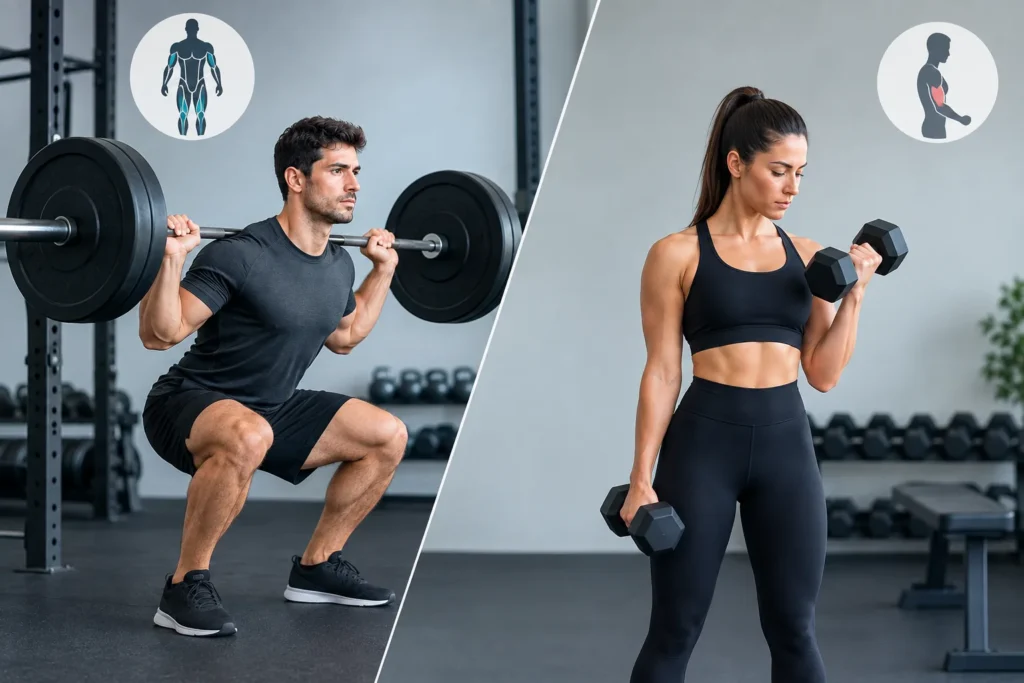
The Push Pull Legs training method separates workouts according to movement patterns and muscle groups. Push sessions target muscles responsible for pressing movements such as the chest, shoulders, and triceps. Pull sessions focus on the back, rear deltoids, and biceps. Leg sessions train the quadriceps, hamstrings, glutes, calves, and core.
This gym split routine has become highly popular because it creates logical recovery cycles while allowing sufficient training volume. Instead of exhausting the entire body every session, athletes can focus on specific movement patterns with higher intensity and improved exercise quality.
How Does a Push Workout Improve Upper Body Strength?
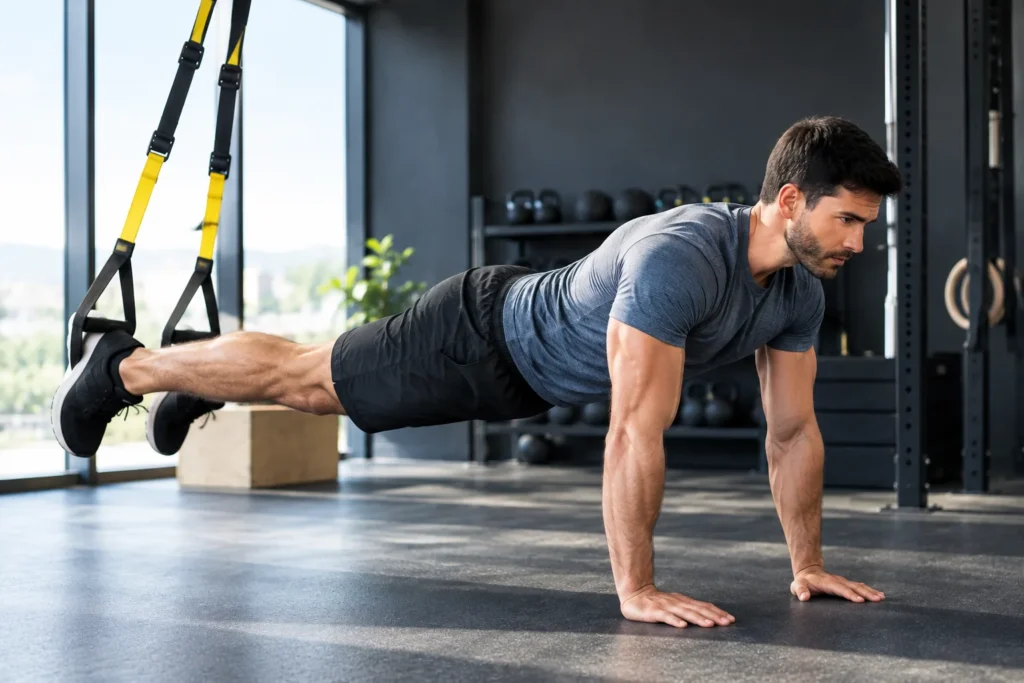
Push workouts focus primarily on compound pressing exercises that develop functional and aesthetic upper-body strength. Movements such as bench presses, shoulder presses, incline dumbbell presses, and dips recruit multiple muscle groups simultaneously. This improves coordination, power output, and muscular endurance.
One major advantage of push training is its efficiency. Compound pressing movements stimulate large amounts of muscle mass, increasing caloric expenditure and anabolic response. This makes Push Pull Legs Oman programs effective not only for muscle gain but also for body recomposition and fat reduction.
Push workouts also improve shoulder stability and posture when performed correctly. Many office workers and sedentary individuals in Oman develop weak upper-back muscles and tight chest muscles due to prolonged sitting. A balanced push routine strengthens pressing mechanics while encouraging better movement quality.
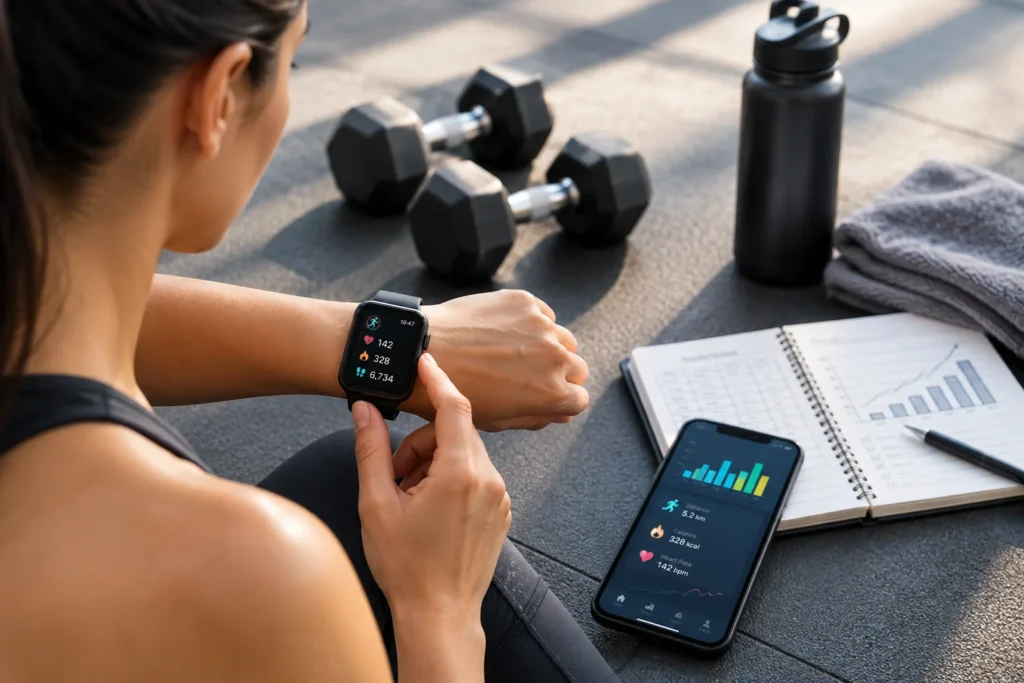
Additionally, progressive overload becomes easier to track during push sessions. Athletes can monitor improvements in pressing strength through measurable increases in weight, repetitions, or exercise quality. This structured progression keeps motivation high and creates sustainable long-term development.
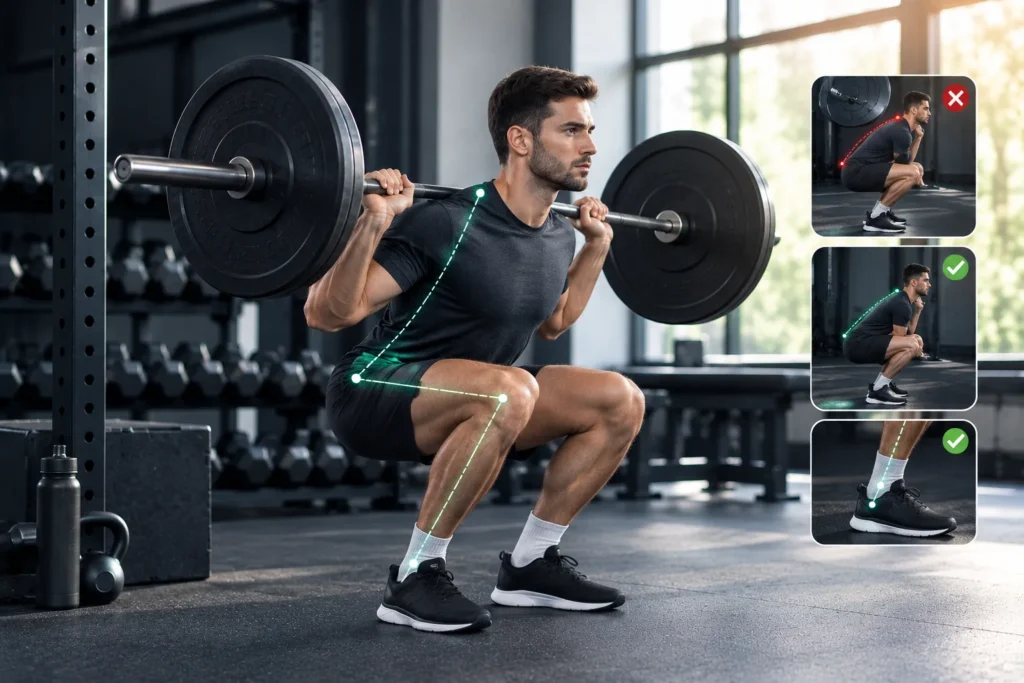
For beginners, push training teaches fundamental movement mechanics that later support more advanced exercises. Proper coaching remains essential because incorrect pressing form may place unnecessary stress on the shoulders and elbows.
Why Are Pull Workouts Essential for Posture and Muscle Balance?
Pull workouts are often underestimated despite their major importance in athletic development and injury prevention. Pull sessions strengthen the posterior chain, including the back, traps, rear shoulders, and biceps. These muscles stabilize the spine and improve posture.
Exercises such as rows, pull-ups, lat pulldowns, face pulls, and deadlifts enhance pulling strength while correcting muscular imbalances caused by excessive sitting or poor posture habits. In many individuals, weak back muscles contribute to neck pain, shoulder instability, and reduced athletic performance.
A properly designed pull day also supports shoulder health. Strong upper-back muscles stabilize the shoulder joint during pressing movements and reduce the likelihood of overuse injuries. This becomes particularly important for individuals performing high-volume upper-body training.
Pull workouts also improve grip strength and overall functional fitness. Daily activities such as lifting, carrying, climbing, and sports performance rely heavily on pulling mechanics. Athletes who neglect pull training often experience reduced performance and muscular asymmetry.
Another benefit involves metabolic demand. Large pulling movements recruit multiple muscle groups and increase energy expenditure. Combined with proper nutrition, this helps accelerate fat loss while maintaining lean muscle mass.
Why Does Leg Training Matter in a Push Pull Legs Split Routine?
Leg training forms the foundation of any complete Push Pull Legs system. The lower body contains some of the largest and strongest muscles in the body, meaning leg workouts generate high metabolic demand and significant hormonal response.

Exercises such as squats, lunges, Romanian deadlifts, leg presses, and hip thrusts improve lower-body strength, athleticism, and calorie expenditure. Many individuals focused only on upper-body aesthetics neglect leg training, which creates muscular imbalance and limits overall performance.
Leg workouts are especially valuable for weight loss because they recruit large muscle groups simultaneously. This increases post-workout energy expenditure and supports long-term fat reduction. Strong legs also improve movement efficiency during walking, running, jumping, and sports participation.
Additionally, lower-body training enhances joint stability and injury prevention. Properly strengthened glutes and hamstrings reduce stress on the knees and lower back. This becomes highly important for individuals returning to exercise after long sedentary periods.
Leg training also improves hormonal support for muscle development. Heavy compound movements stimulate systemic adaptation, contributing to total-body strength and improved athletic performance.
Consistent leg workouts further support mobility and aging health. Maintaining lower-body strength improves balance, coordination, and independence throughout life.
How Does a Gym Split Routine Improve Recovery and Performance?
One major reason Push Pull Legs Oman programs remain effective is their recovery structure. Training the same muscles intensely every day increases fatigue and injury risk. A split routine solves this by allowing targeted muscles to recover while other areas continue training.
Recovery is where adaptation occurs. Muscles repair microscopic damage after training and become stronger during rest periods. A balanced gym split routine supports this process while maintaining training frequency.
Why Is Recovery Critical for Muscle Growth in Push Pull Legs method?
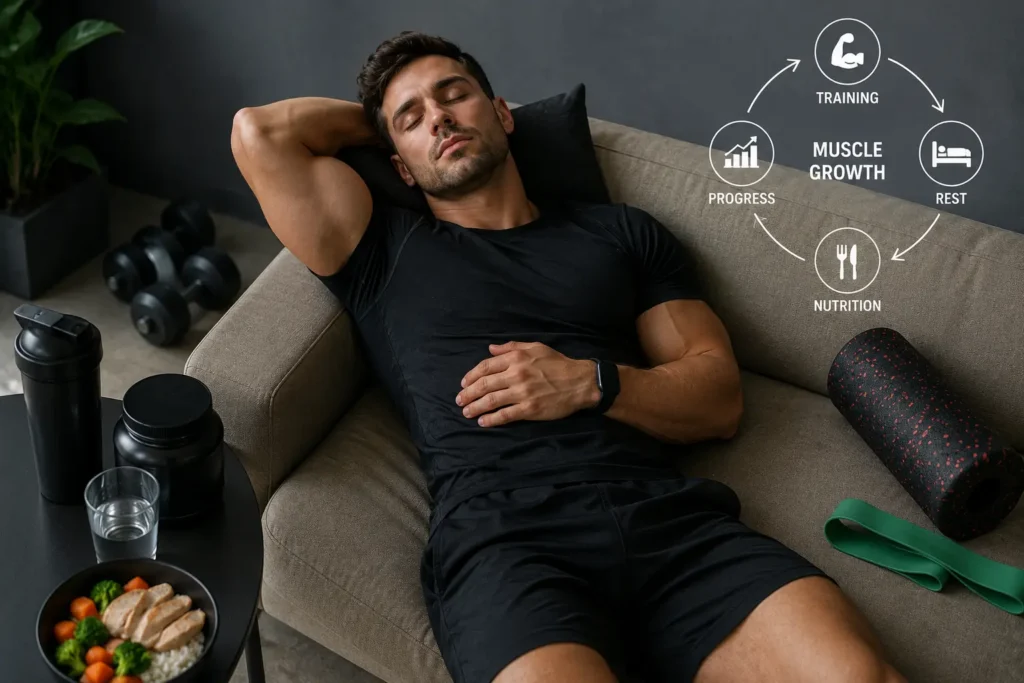
Muscle growth does not happen during the workout itself. Instead, training creates stress that stimulates adaptation afterward. Without adequate recovery, the body struggles to repair muscle tissue effectively.
Sleep quality, hydration, nutrition, and rest days all influence recovery capacity. Individuals training intensely while neglecting recovery often experience plateaued progress, fatigue, and increased injury risk.
Push Pull Legs systems naturally improve recovery because muscle groups rotate strategically. For example, after an intense push workout, the chest and shoulders recover while pull or leg muscles are trained on subsequent days.
Recovery also affects hormone regulation. Chronic fatigue elevates cortisol levels and reduces performance output. Structured split routines help balance workload and support sustainable progress.
Another important factor involves nervous system fatigue. Heavy lifting challenges not only muscles but also the central nervous system. Planned recovery allows athletes to maintain intensity and exercise quality over time.
How Does Training Frequency Affect Fat Loss and Strength?
Training frequency refers to how often muscle groups are trained weekly. Research suggests moderate-to-high frequency training often produces better results than extremely low frequency routines.
Push Pull Legs systems usually train muscles twice weekly, which provides a strong balance between stimulus and recovery. This frequency supports consistent protein synthesis and skill development.
For fat loss goals, increased weekly training frequency raises overall caloric expenditure while preserving lean muscle tissue. This combination improves body composition more effectively than excessive cardio alone.
For strength development, repeated exposure to compound lifts improves movement efficiency and neuromuscular coordination. Athletes become technically stronger while gradually increasing training volume.
Consistency remains the key factor. A manageable schedule encourages long-term adherence, which ultimately determines results more than short-term intensity.
What Does an Effective Weekly Plan Look Like?
A proper weekly structure depends on training experience, recovery capacity, and lifestyle demands. Beginners usually perform fewer weekly sessions, while advanced athletes may tolerate higher volume and frequency.
Below is a practical Push Pull Legs weekly structure commonly used in modern gym split routine programming.
| Day | Workout Focus | Main Goal |
|---|---|---|
| Monday | Push Workout | Chest, shoulders, triceps |
| Tuesday | Pull Workout | Back, biceps, posture |
| Wednesday | Leg Workout | Lower-body strength |
| Thursday | Active Recovery | Mobility and cardio |
| Friday | Push Workout | Strength progression |
| Saturday | Pull or Legs | Conditioning and hypertrophy |
| Sunday | Rest | Full recovery |
How Can Beginners Start a Push Pull Legs Program Safely?
Beginners should prioritize technique before heavy loading. Many new gym members attempt advanced programs too early, increasing injury risk and reducing consistency.
Starting with moderate training volume allows the body to adapt gradually. Compound movements should be mastered using controlled repetitions and professional supervision when possible.
A beginner Push Pull Legs program may include three weekly sessions instead of six. This still provides excellent results while reducing excessive fatigue.
Warm-ups, mobility work, and recovery habits should also become part of the training routine from the beginning. Sustainable progress depends on long-term consistency rather than extreme short-term intensity.
Nutrition also matters significantly. Adequate protein intake supports muscle repair while balanced calorie control assists fat loss goals.
What Mistakes Reduce Results in Split Training Programs?
One common mistake is excessive training volume. Many individuals assume more exercises automatically create better results, but excessive fatigue often reduces performance and recovery quality.
Another issue involves poor exercise selection. Effective gym split routine programming prioritizes compound exercises before isolation movements. Random exercise combinations frequently reduce efficiency.
Inconsistent progression also limits improvement. Tracking workouts helps athletes gradually increase resistance, repetitions, or training quality over time.
Neglecting recovery represents another major problem. Sleep deprivation, poor hydration, and inadequate nutrition slow adaptation and increase injury risk.
Some individuals also ignore mobility and flexibility training. Restricted movement patterns reduce exercise quality and may contribute to chronic pain or muscular imbalance.
Why Is Push Pull Legs in Oman Effective for Weight Loss?
Although many people associate split routines primarily with bodybuilding, Push Pull Legs systems are also highly effective for fat loss and metabolic conditioning.
Resistance training preserves muscle mass during calorie deficits, helping maintain metabolic rate. Muscle tissue burns more energy than fat tissue, making strength training essential during weight-loss programs.
How Does Resistance Training Support Long-Term Fat Loss?
Crash diets and excessive cardio often lead to muscle loss alongside fat reduction. This slows metabolism and increases the likelihood of weight regain.
Resistance training helps preserve lean tissue while encouraging sustainable fat loss. Compound exercises increase energy expenditure and improve insulin sensitivity, both of which support healthier body composition.
Push Pull Legs routines also provide training variety, which improves motivation and adherence. Individuals are more likely to remain consistent when workouts feel structured and progressive.
Additionally, strength improvements boost confidence and physical functionality. Many individuals notice better posture, movement quality, and energy levels long before dramatic visual changes occur.
Why Do Structured Programs Improve Motivation?
One major reason people quit fitness programs is lack of direction. Random workouts create inconsistent results and reduced motivation.
Structured Push Pull Legs Oman systems provide measurable progression. Athletes can track strength gains, workout consistency, and body composition improvements over time.
Goal-oriented programming also increases accountability. Having a clear weekly plan reduces decision fatigue and improves adherence.
Professional coaching further improves confidence by ensuring exercises are performed safely and effectively. Personalized guidance helps individuals overcome plateaus and maintain consistency during difficult periods.
How Can Professional Coaching Improve Push Pull Legs Results?
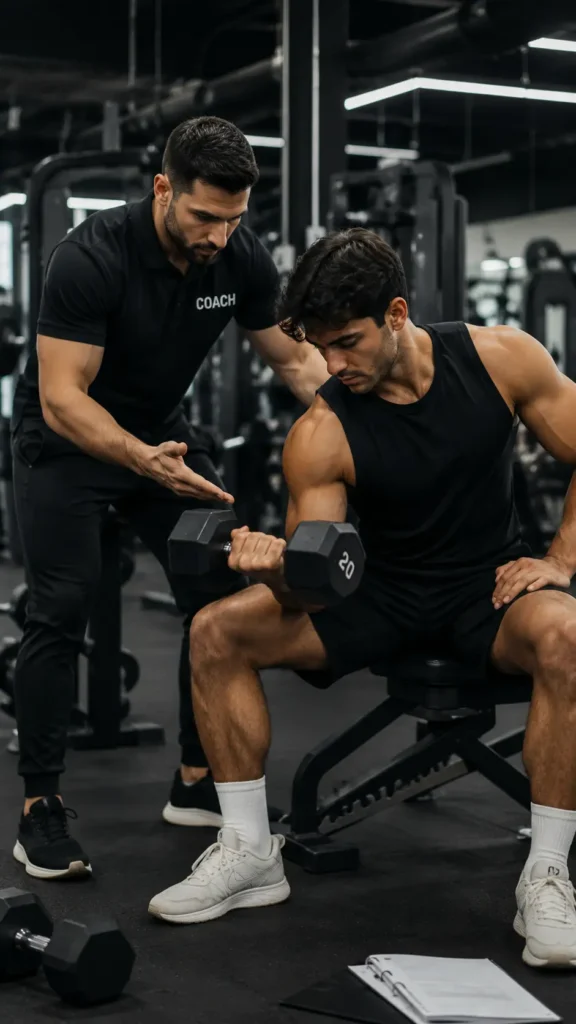
Training without guidance often leads to poor form, inconsistent progression, and inefficient exercise selection. Professional coaching improves both safety and results by tailoring workouts to the individual’s goals and fitness level.
Coaches can adjust volume, intensity, and recovery strategies based on progress and lifestyle factors. This personalization improves long-term sustainability and reduces injury risk.
Professional coaching also helps individuals stay accountable and mentally committed to their training routine. Many people lose motivation because they do not see immediate results or lack a structured progression system. A qualified coach monitors performance, tracks improvements, and makes strategic adjustments that keep workouts challenging without becoming overwhelming.
Why Is Individualization Important in a Gym Split Routine?
Every individual responds differently to training stress. Age, recovery ability, work schedule, sleep quality, and previous injuries all influence program effectiveness.
An individualized gym split routine considers these factors rather than applying generic templates. Personalized programming helps maximize progress while minimizing unnecessary fatigue.
Coaches can also identify weaknesses, mobility limitations, and muscular imbalances that may limit performance. Corrective strategies improve exercise efficiency and reduce long-term complications.
Athletes with fat loss goals may require different conditioning strategies compared to individuals focused primarily on strength or muscle gain. Customized programming ensures workouts remain aligned with the desired outcome.
How Does Coaching Improve Long-Term Consistency?
Consistency is the single most important factor in physical transformation. Many individuals fail because they lack accountability and structured progression.
Professional coaching creates routine, motivation, and measurable feedback. Scheduled sessions improve discipline while expert guidance helps individuals overcome mental and physical barriers.
Coaches also provide education about recovery, nutrition, exercise execution, and realistic goal setting. This creates sustainable lifestyle changes rather than temporary fitness phases.
Conclusion
Push Pull Legs Oman remains one of the most efficient and balanced gym split routine systems for muscle development, fat loss, athletic conditioning, and long-term fitness progression. Its structured recovery model allows individuals to train consistently while minimizing excessive fatigue and injury risk.
The combination of compound strength training, progressive overload, and organized recovery creates sustainable physical transformation for beginners and advanced athletes alike. When paired with proper nutrition, recovery habits, and professional coaching, Push Pull Legs programs can significantly improve strength, body composition, posture, and overall health.
At 5d fitness, professionally supervised Push Pull Legs programs are designed to support athletes, beginners, and weight-loss clients through structured progression, personalized coaching, and performance-focused training systems.
For individuals seeking structured training and long-term fitness results in Oman, 5d fitness provides professionally guided coaching programs designed to support safe progression, personalized programming, and sustainable transformation.
Frequently Asked Questions (FAQ)
Push Pull Legs is a gym split routine that separates workouts into pushing muscles, pulling muscles, and lower-body training days.
Yes. Beginners can benefit greatly when the program is properly structured and supervised.
Most individuals train three to six days weekly depending on recovery and fitness level.
Yes. It increases calorie expenditure while preserving lean muscle mass.
Chest, shoulders, and triceps are primarily trained during push workouts.
Yes. Leg exercises recruit large muscle groups and significantly increase energy expenditure.
Most effective sessions last between 45 and 75 minutes.
Yes. The system is highly effective for both men and women.
Yes. Moderate cardio supports cardiovascular health and additional calorie expenditure.
Many individuals notice strength and energy improvements within several weeks of consistent training.